The River of Many Names, Chapter 4, Mae Nam Khong (2025 - ongoing)
Throughout recorded history, rivers have been sites where land, livelihood, story, and belief intersect, shaping how human societies relate to water and landscape. The Mekong River, known by many names as it flows across different regions, carries multiple layers of cultural and ecological significance. Along its course, serpent-associated figures appear in local belief systems as guardians or ancestral presences, reflecting enduring relationships between water, landscape, and the ways it is imagined and remembered.
The River of Many Names, Chapter 4, Mae Nam Khong is part of a long-term research project on the Mekong River, unfolding across multiple sites and chapters that examine how landscapes are formed through acts of naming, belief, and repetition.
Focusing on Naga guardian sites along the Mekong River in Luang Prabang and Vientiane, the work traces locations where cultural memory, ecological presence, and spiritual narratives converge within the landscape. Each site functions as a point through which relationships between place, perception, and cultural inscription become visible.
Between Sacred Presence & Touristification (2026) explores how landscapes/spaces along the Mekong are inhabited by layers of belief, memory, and unseen presence, revealed through sustained attention and ethical engagement.
Focusing on Naga guardian spaces in Luang Prabang, it examines how these spaces of belief coexist with tourist-driven leisure. For many local Laotians, these conditions may feel ordinary. For foreign observers, such encounters can feel unfamiliar or out of place.
Developed through sustained field engagement, the work attends to how belief, spectacle, and everyday life coexist—not as oppositions, but as entangled and shifting realities shaped by contemporary conditions.
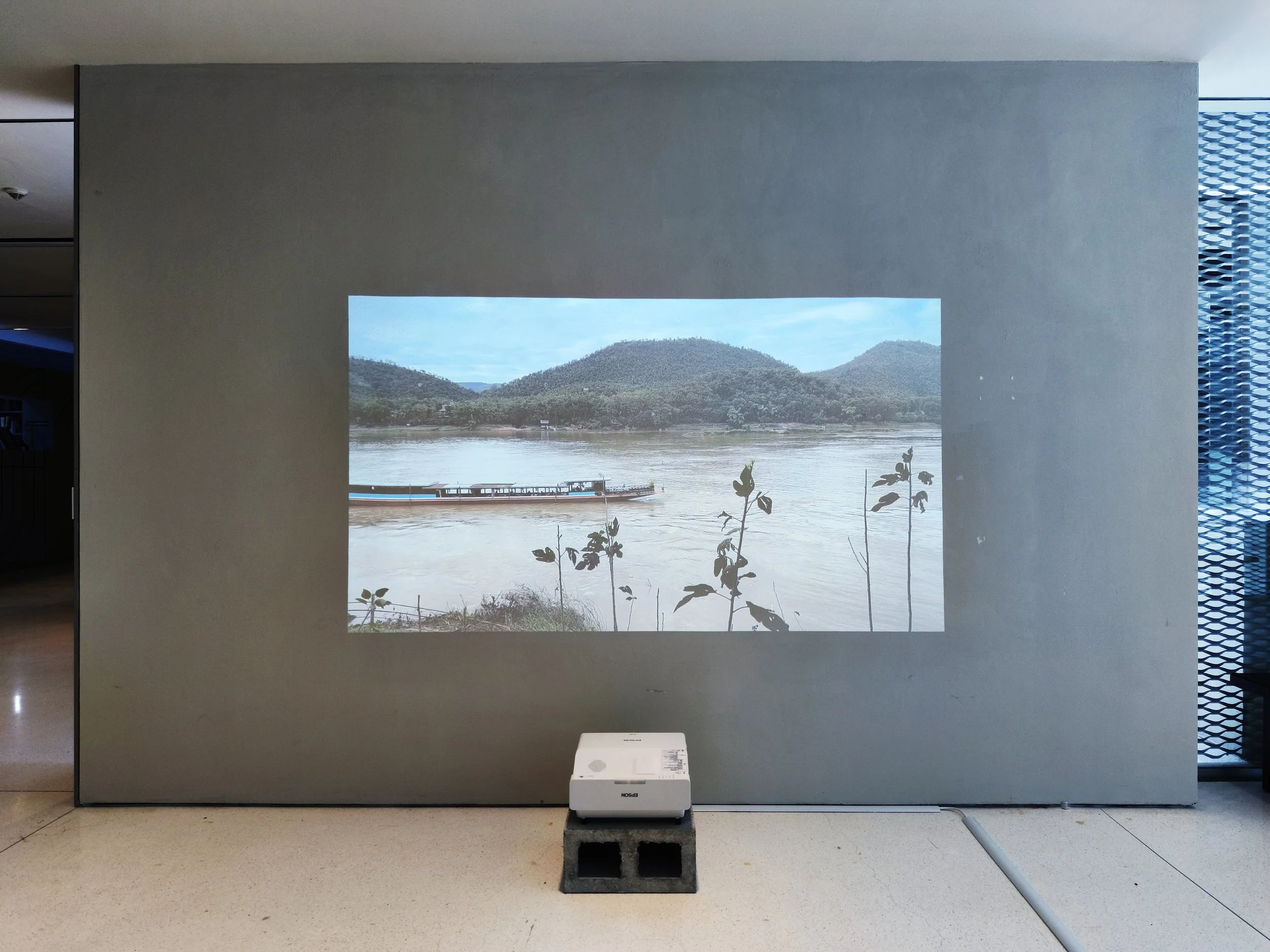
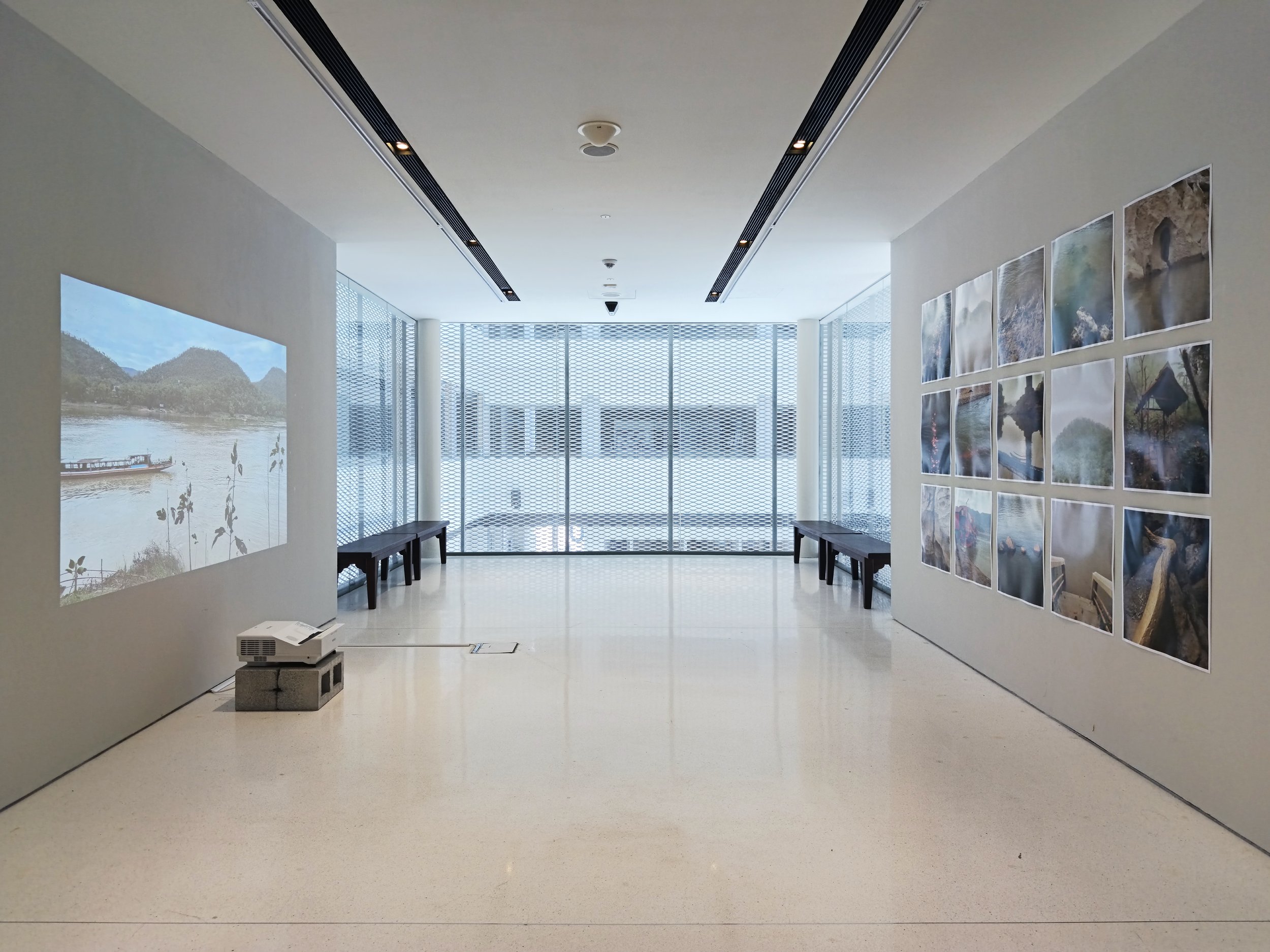
Fifteen photographs of Naga guardian sites across Luang Prabang are arranged in a grid according to their geographic locations. Facing them, a single-channel video of karaoke tourist boats introduces a continuous flow of movement and sound, setting dispersed sacred presence against the circulation of spectacle.
-
![]()
NAFA/UAS MFA Fine Art Open Studio 2026
-
![]()
NAFA/UAS MFA Fine Art Open Studio 2026
-
![]()
NAFA/UAS MFA Fine Art Open Studio 2026
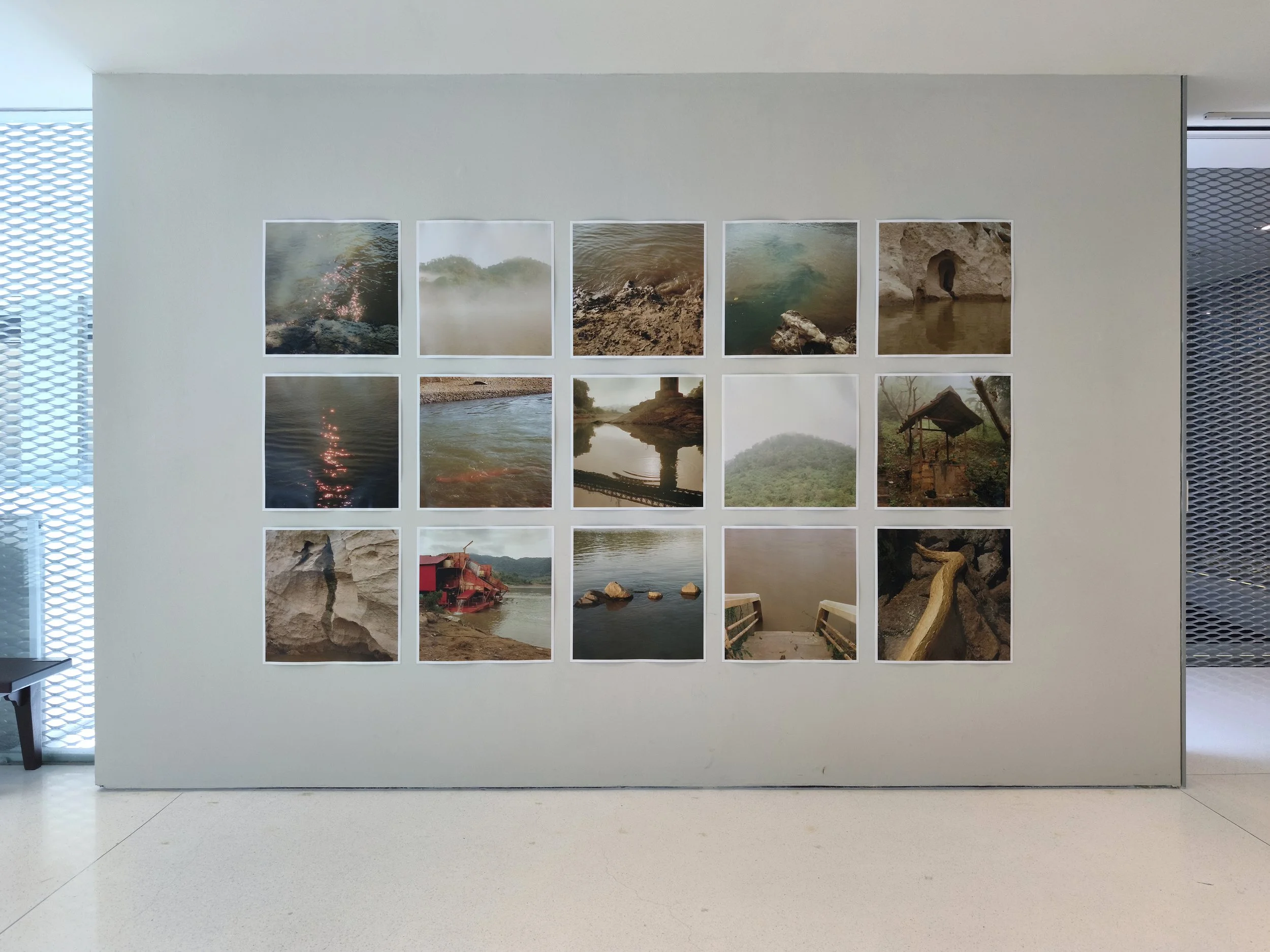
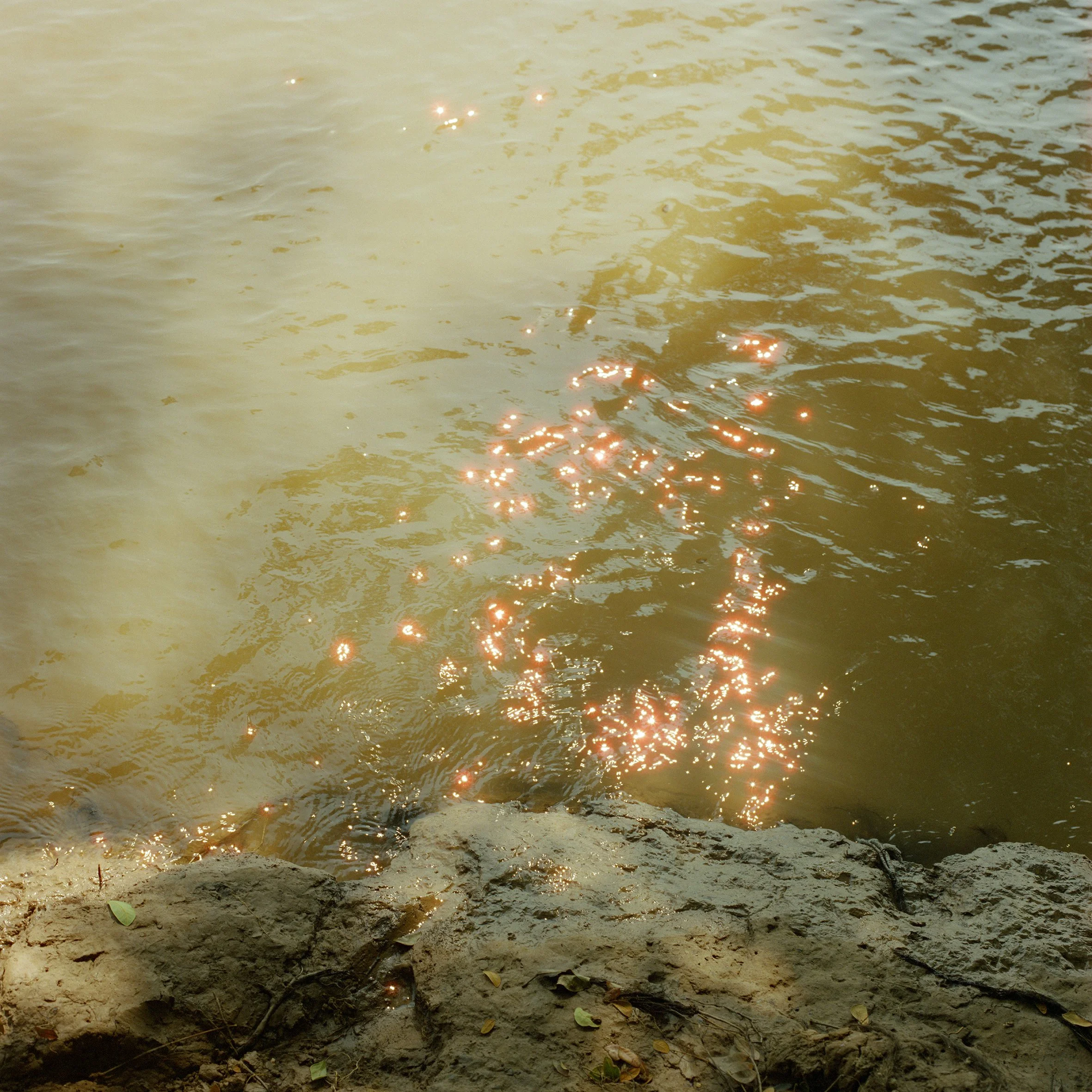
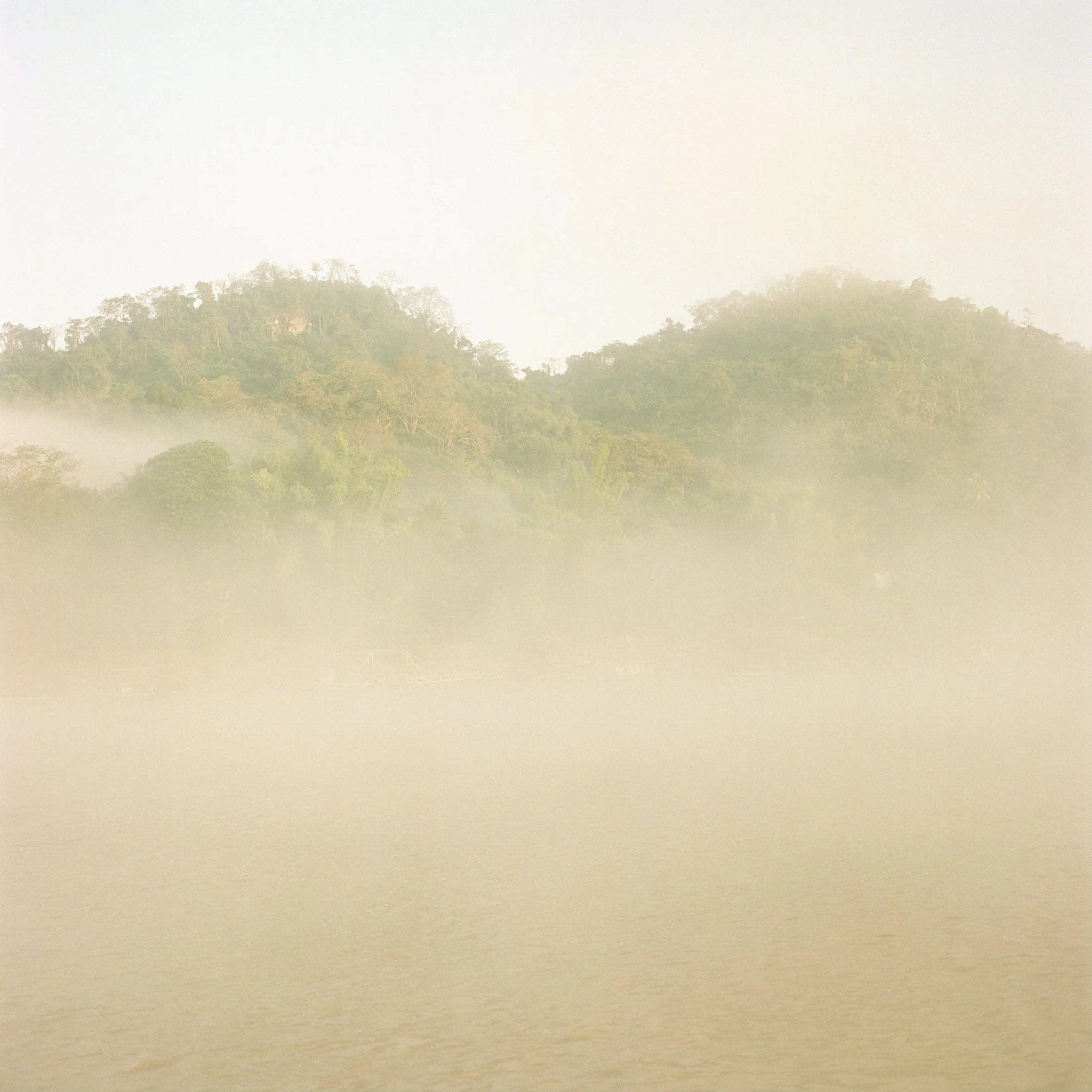
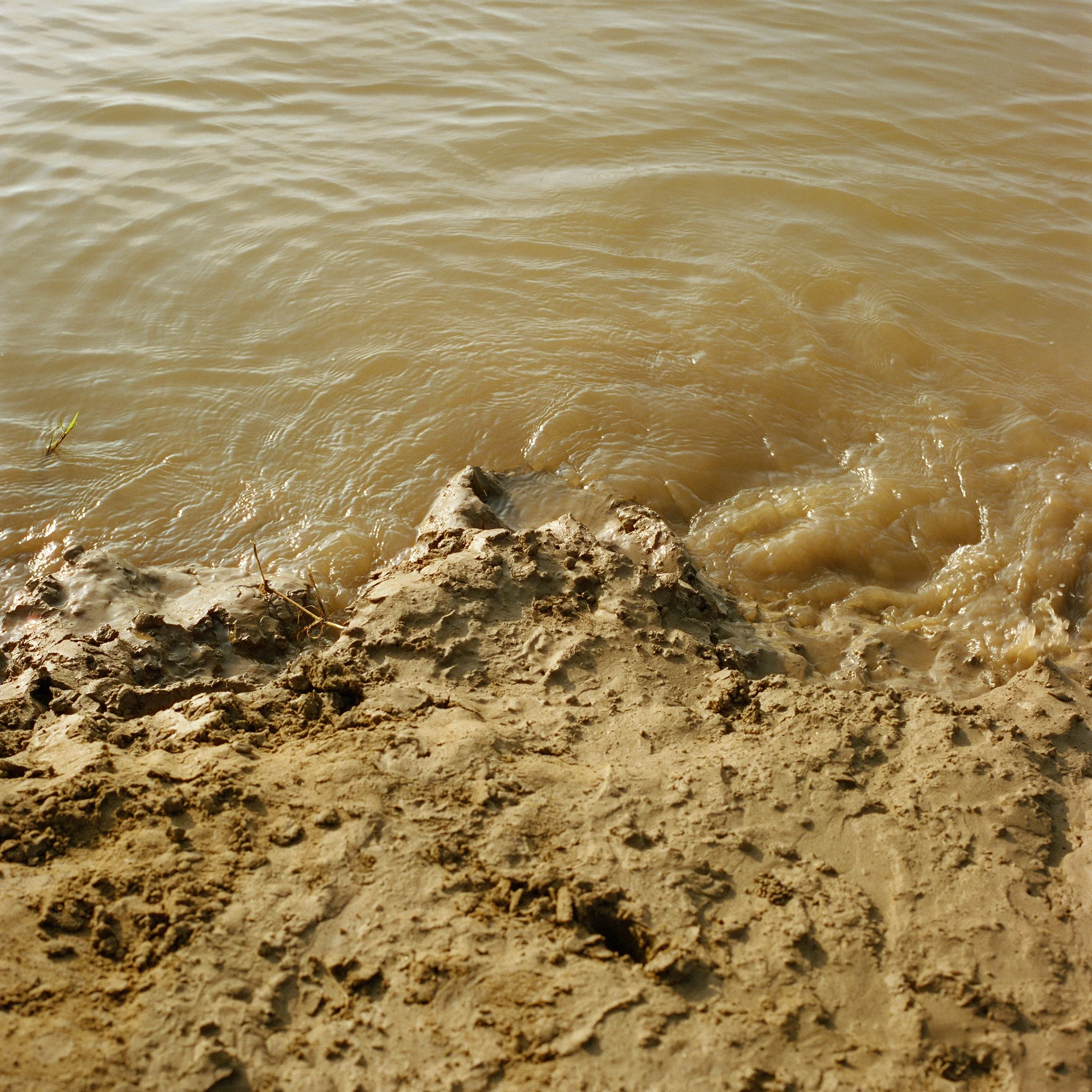
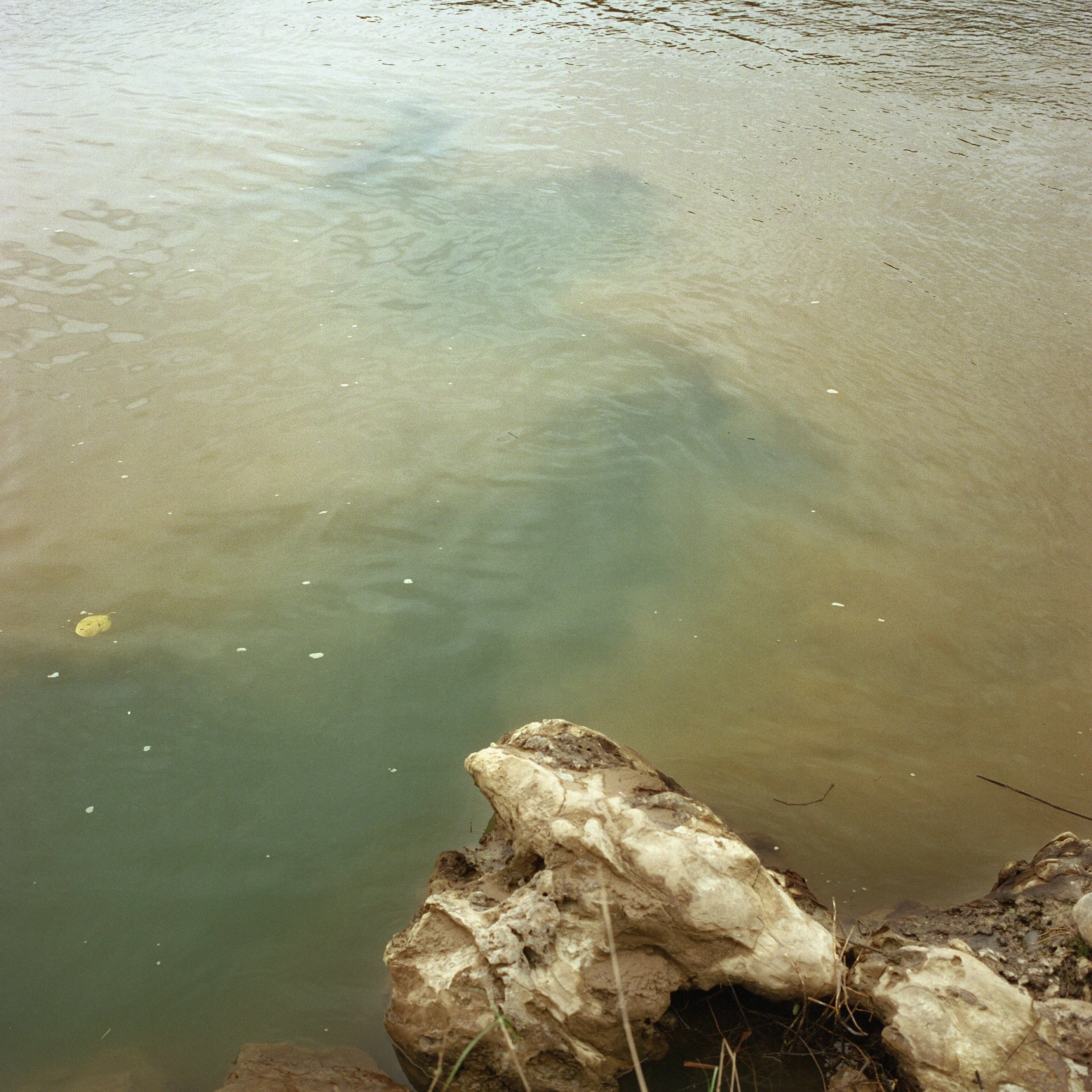

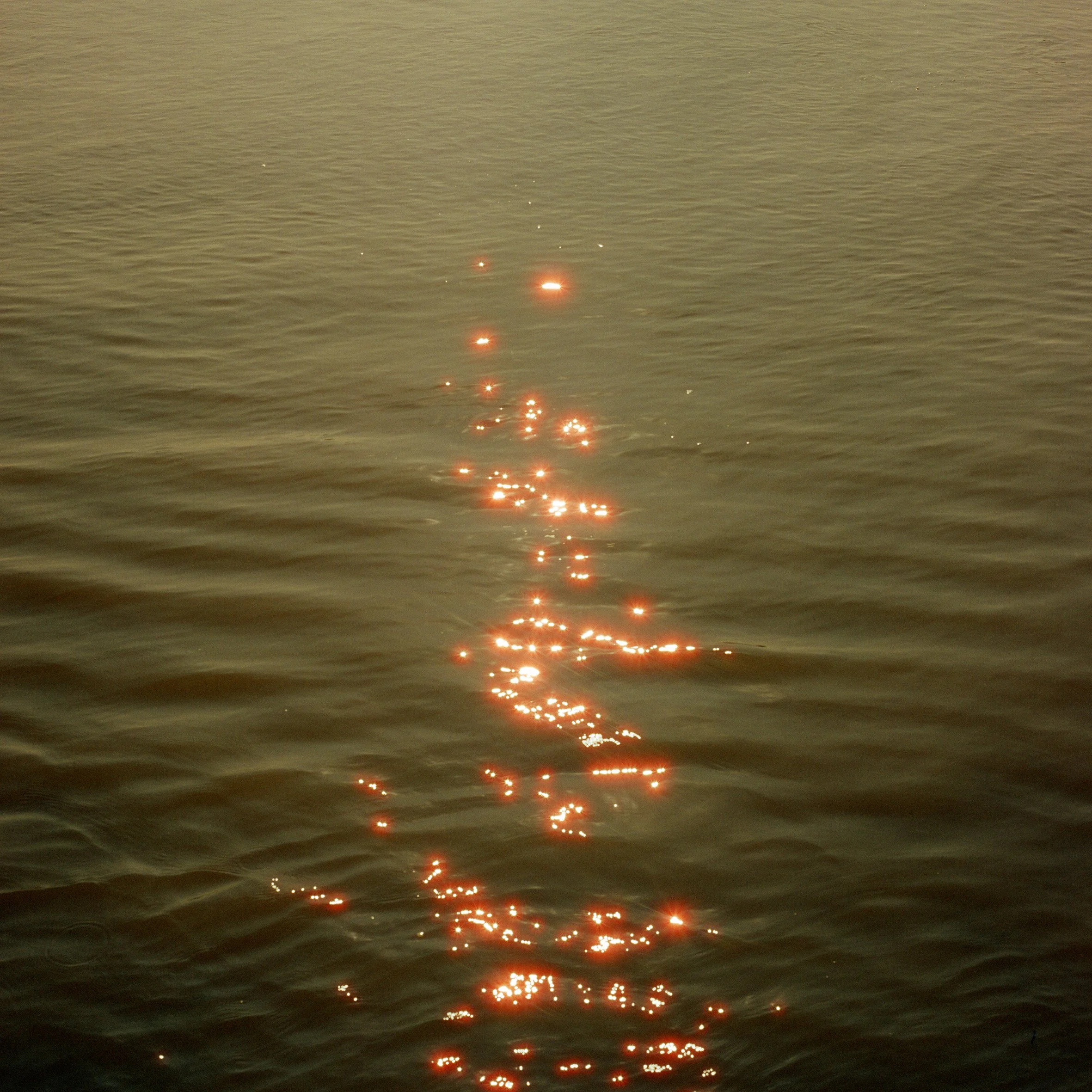
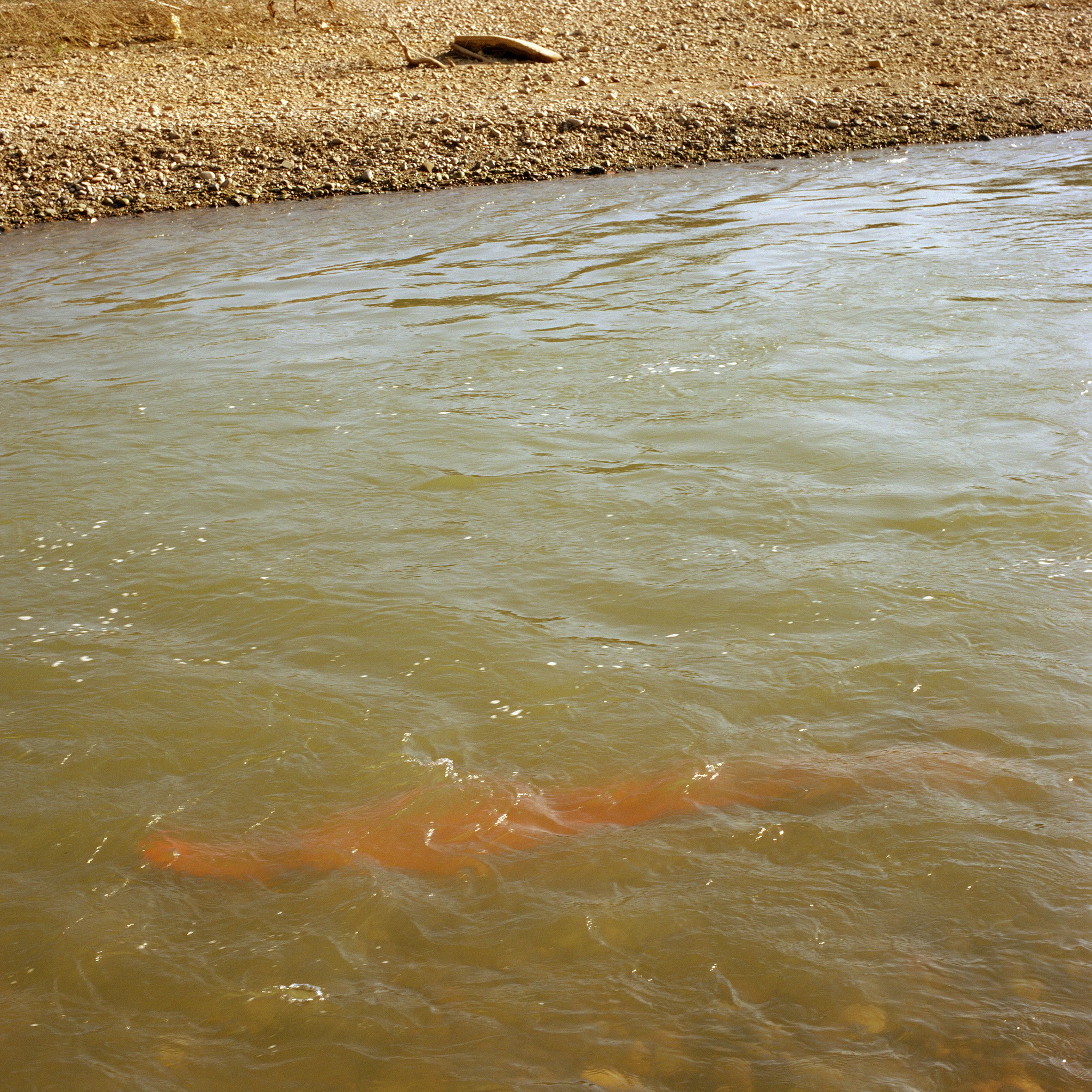
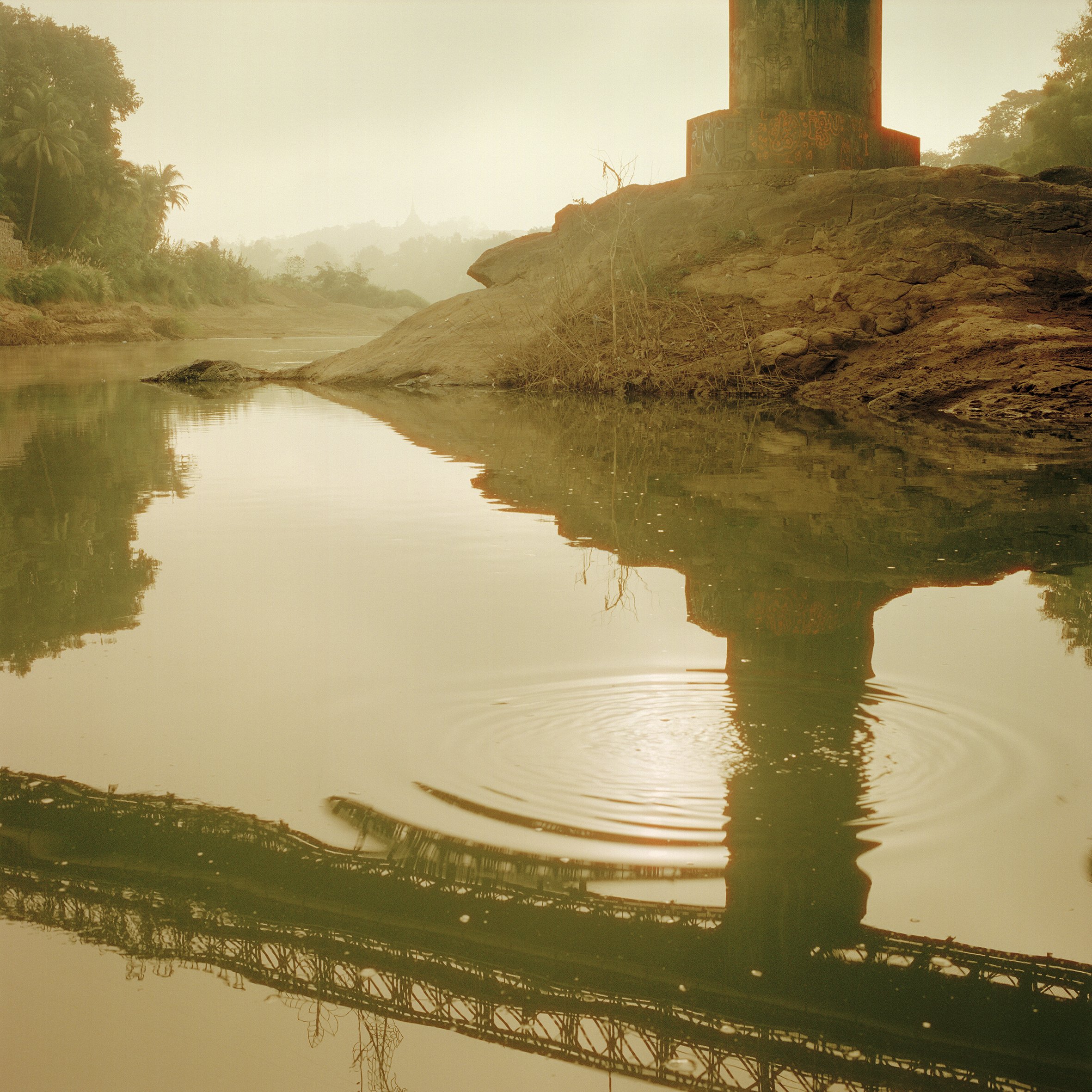
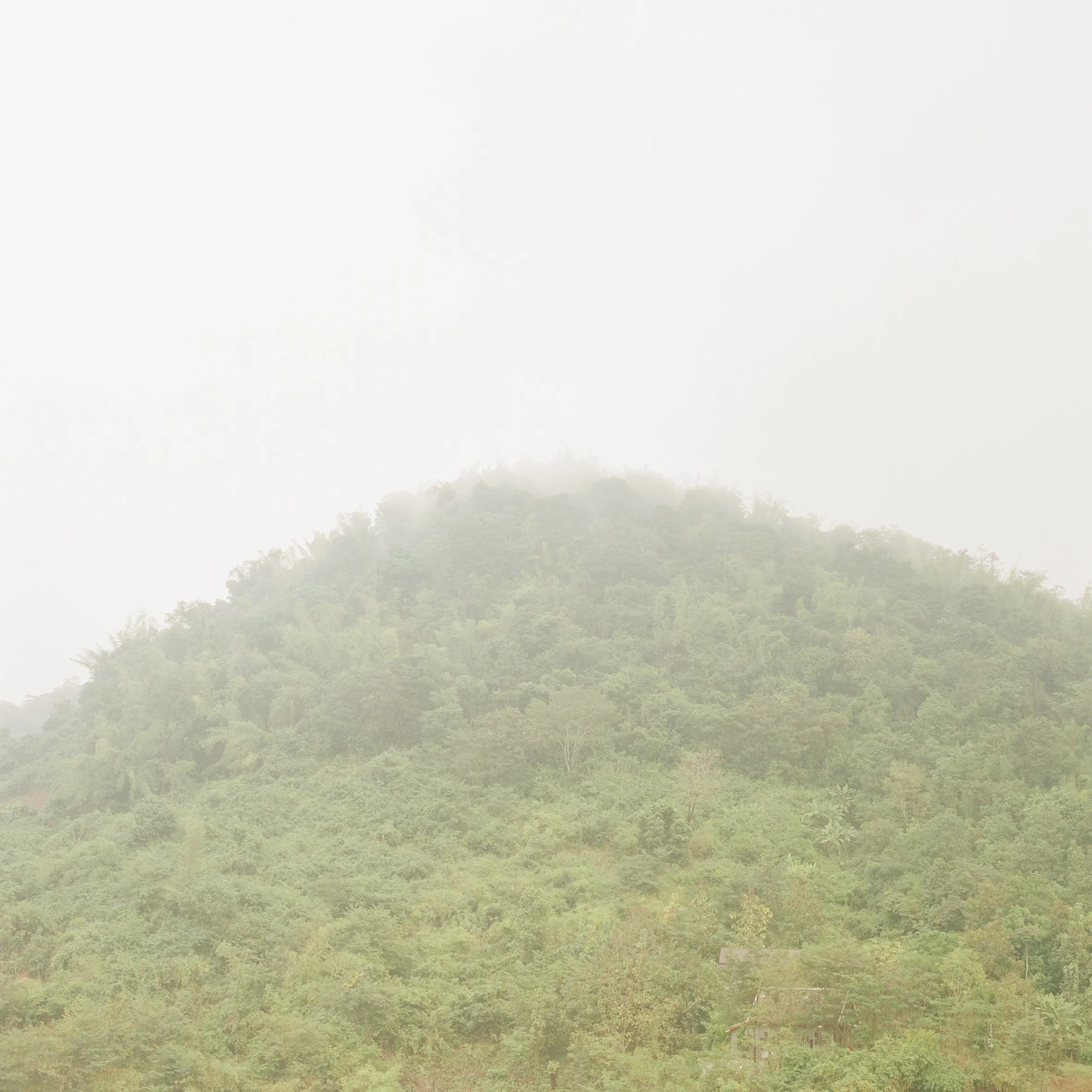
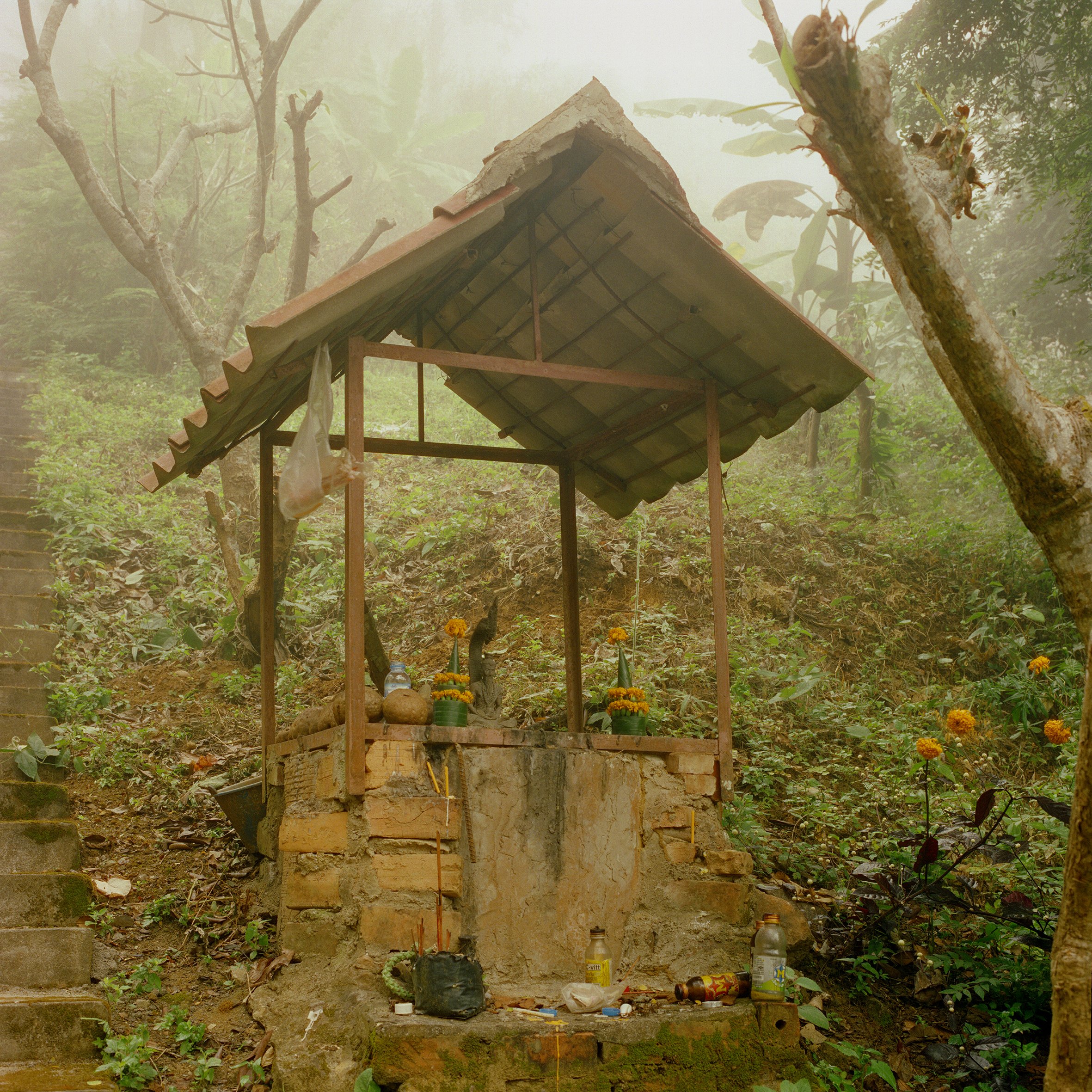
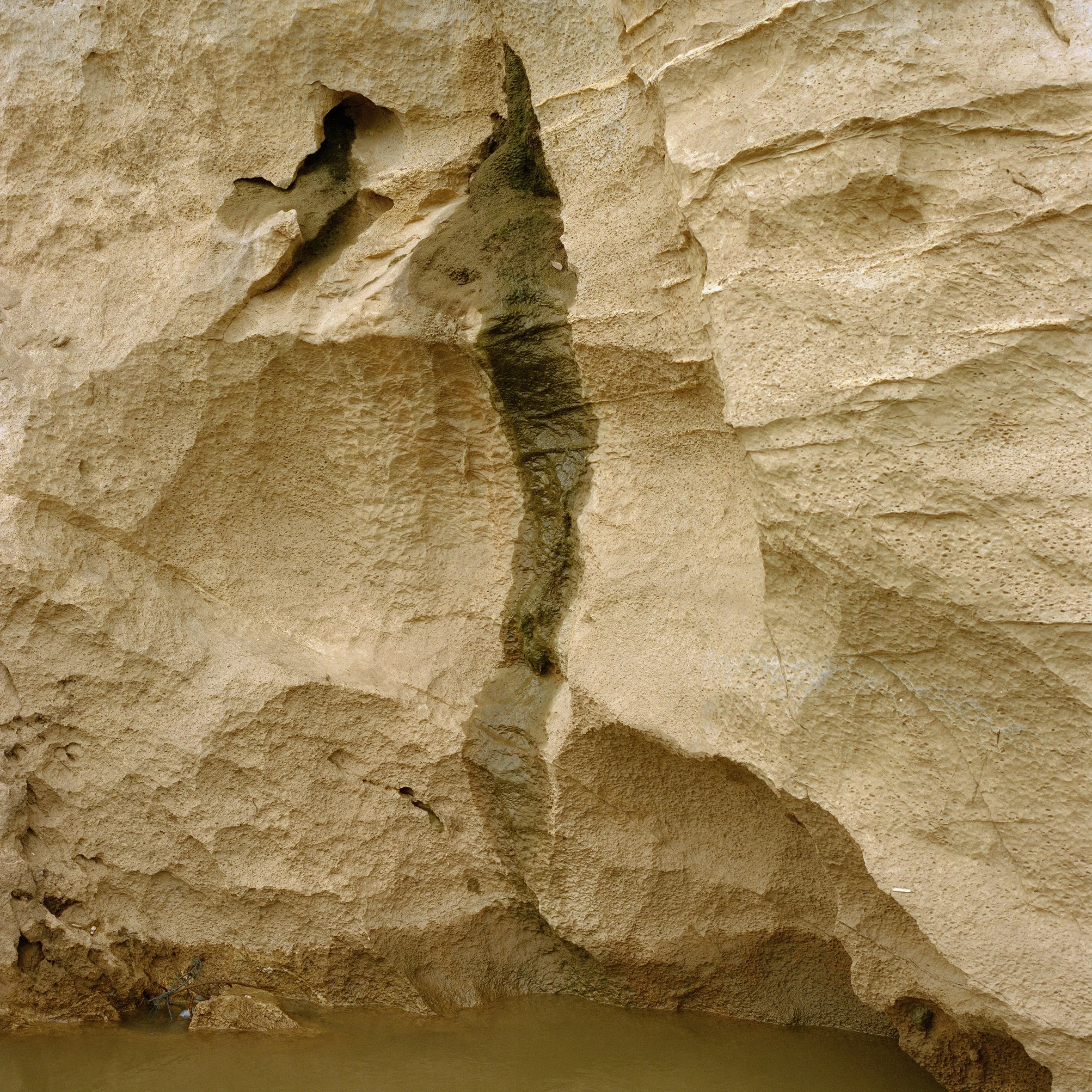
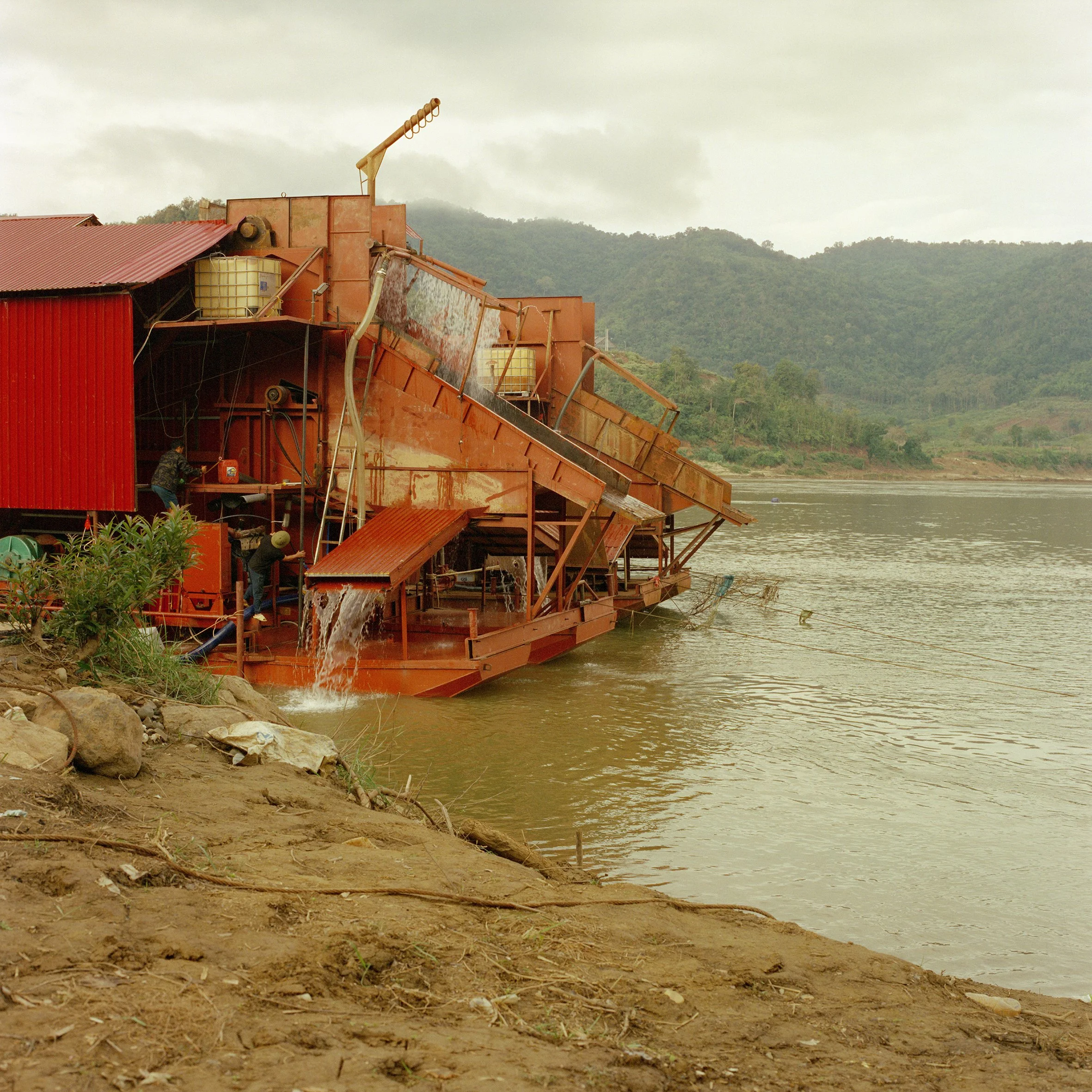
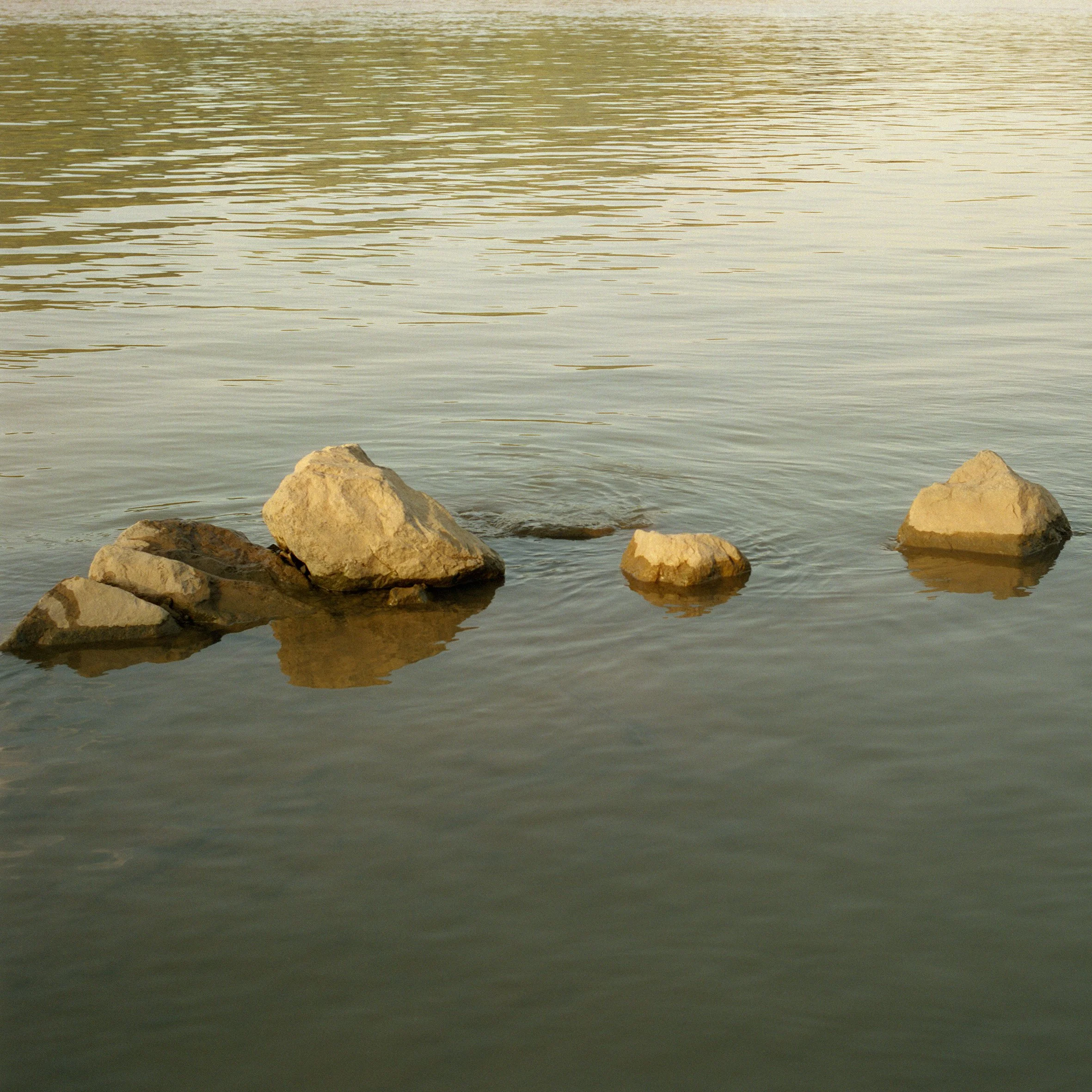
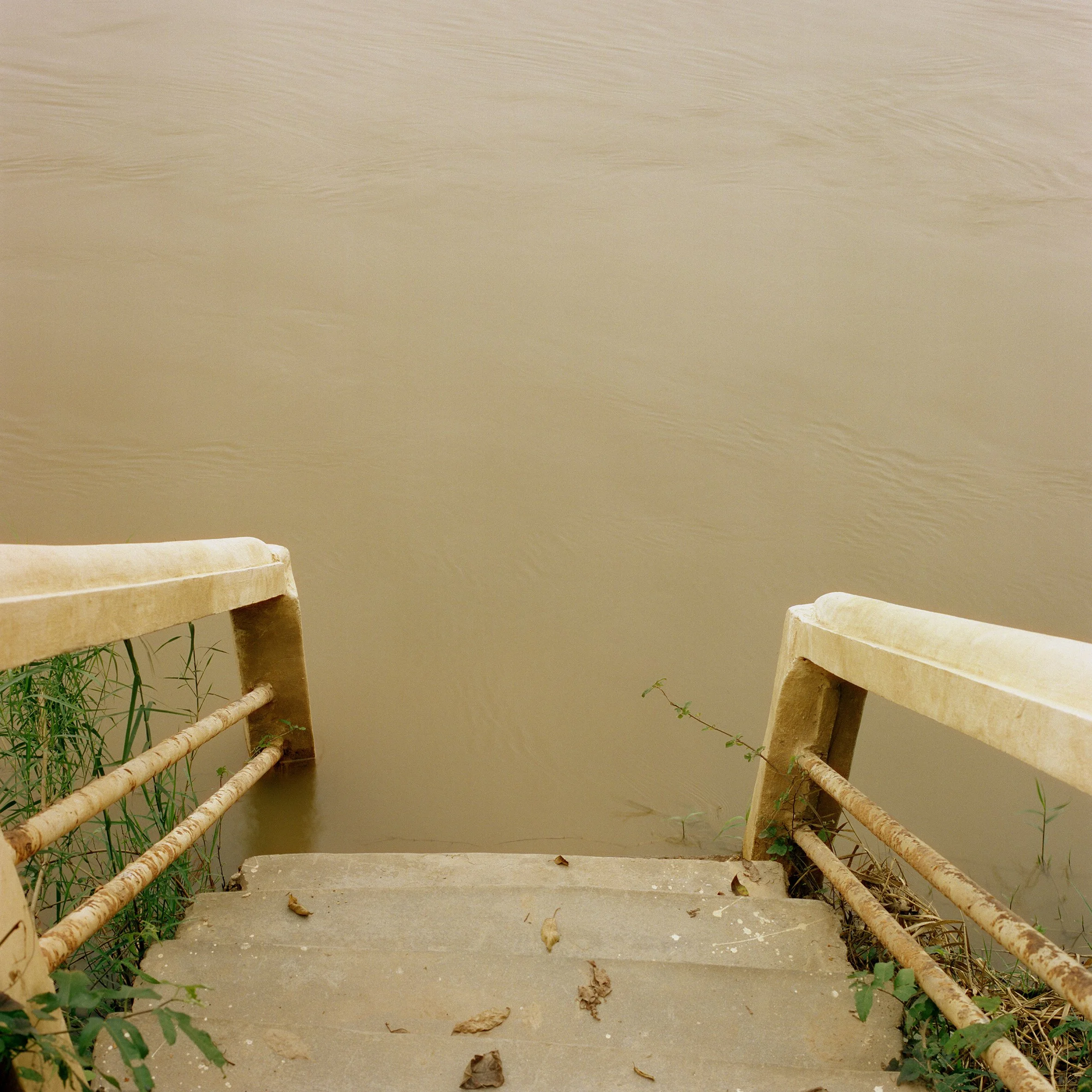
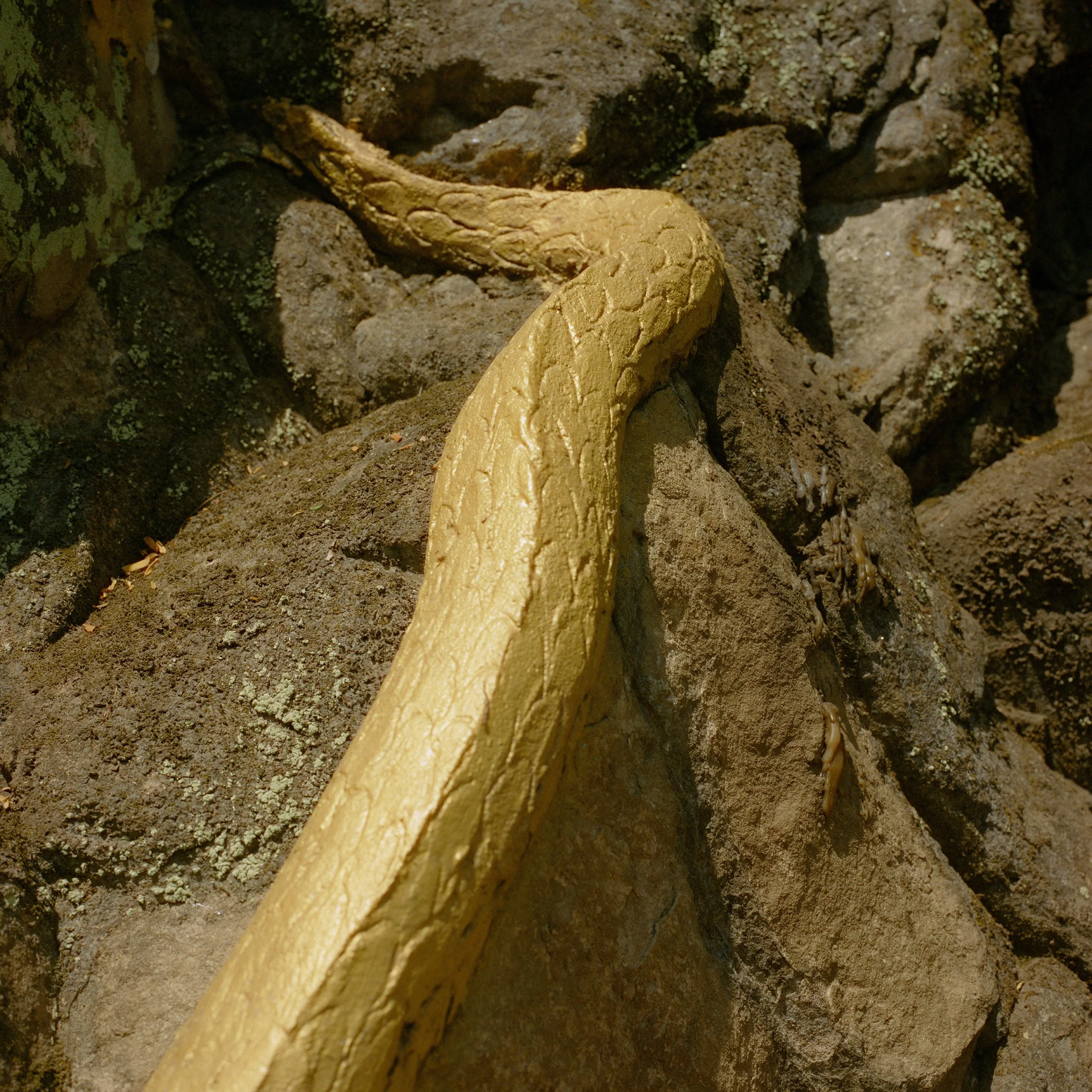

15 Naga guardians of Luang Prabang:
Nang Dam at Kok Thone, on the west bank of the Mekong River opposite Sop Hop, the mouth of Huay Hop stream.
Nang Done at Khok Deua, upstream from Khok Thone, left of Vat Chompet landing.
Nang Phomfuea, north of Tha Sang landing, at Chumkhong. behind the former Royal Palace.
Ai Tong Kwang at the mouth of Nam Khan river, near the junction of the Mekong River.
Thao Thong Chan at Pha Dieo rock, on the west bank of the Mekong River near Vat Longkhoun.
Thao Khamhieo at Pha Seua rock, upstream from the juncture of the Mekong and Nam Khan rivers.
Thao Bounyeua at Kone Kaai Fa rock, in the Nam Khan river, near Vat Visoun.
Thao Khamla at Pha Bang rock, under the old Nam Khan bridge.
Thao Khampang on the summit of Phou Sang hill, near the airport.
Thao Bounkwang on the summit of Phou Suang hill, near Nam Khan river.
Thao Bounyuang at Kone Meet Ean rock, at the junction of the Mekong and Nam U rivers.
Thao Khamtaen at Kone Pha Seuang rock, at the mouth of the Nam Seuang river.
Thao Konglua at Pha Sumsao rock, on the west bank of the Mekong opposite the mouth of Huay Mood river.
Thao Kaicamnong at Phrabat Tha Pha Lak on the eastern bank of the Mekong River, near the mouth of Huay Hop.
Sisattanag on the summit of Phou Si hill, the sacred hill facing the former Royal Palace.