Once Upon The Sea (2012 - 2020)
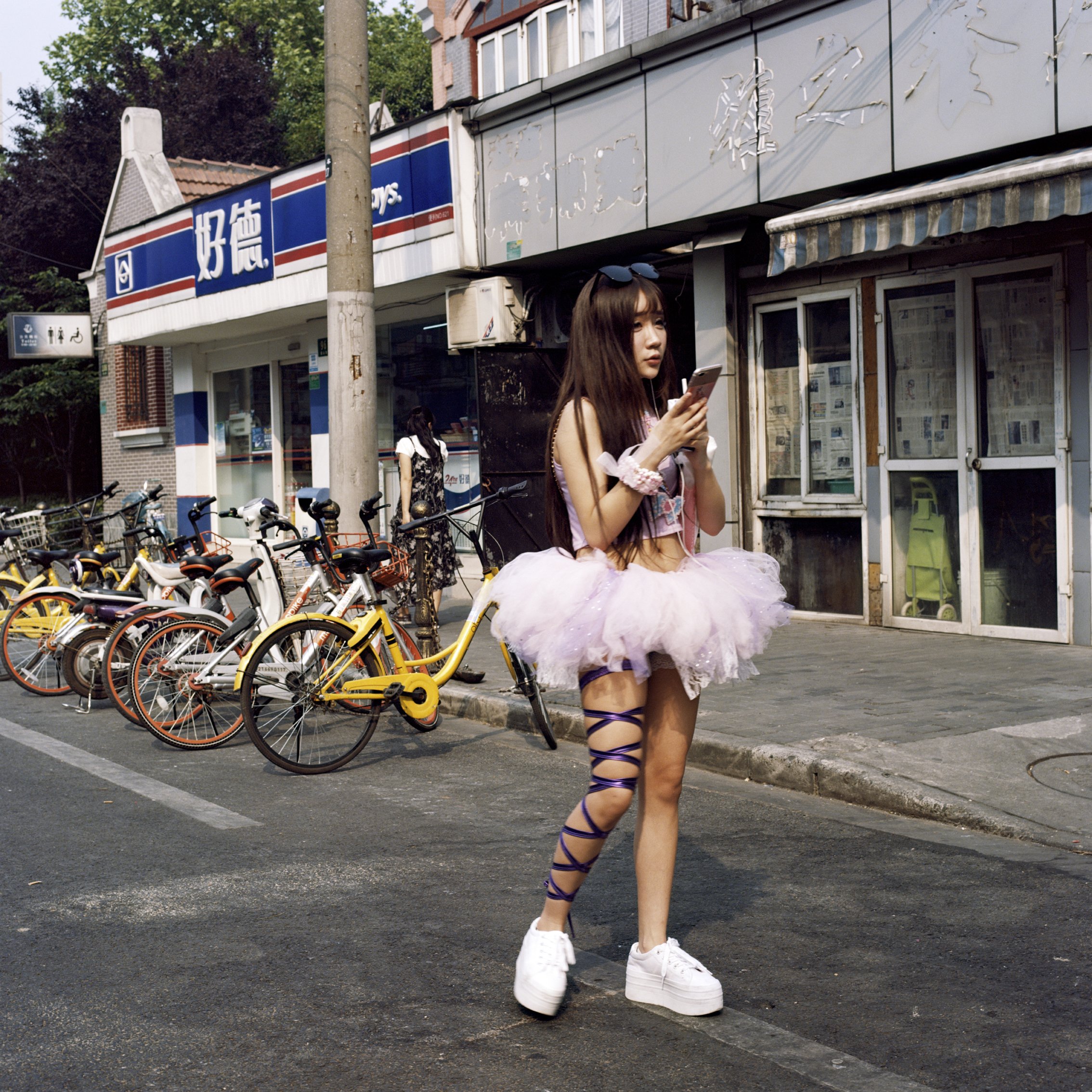
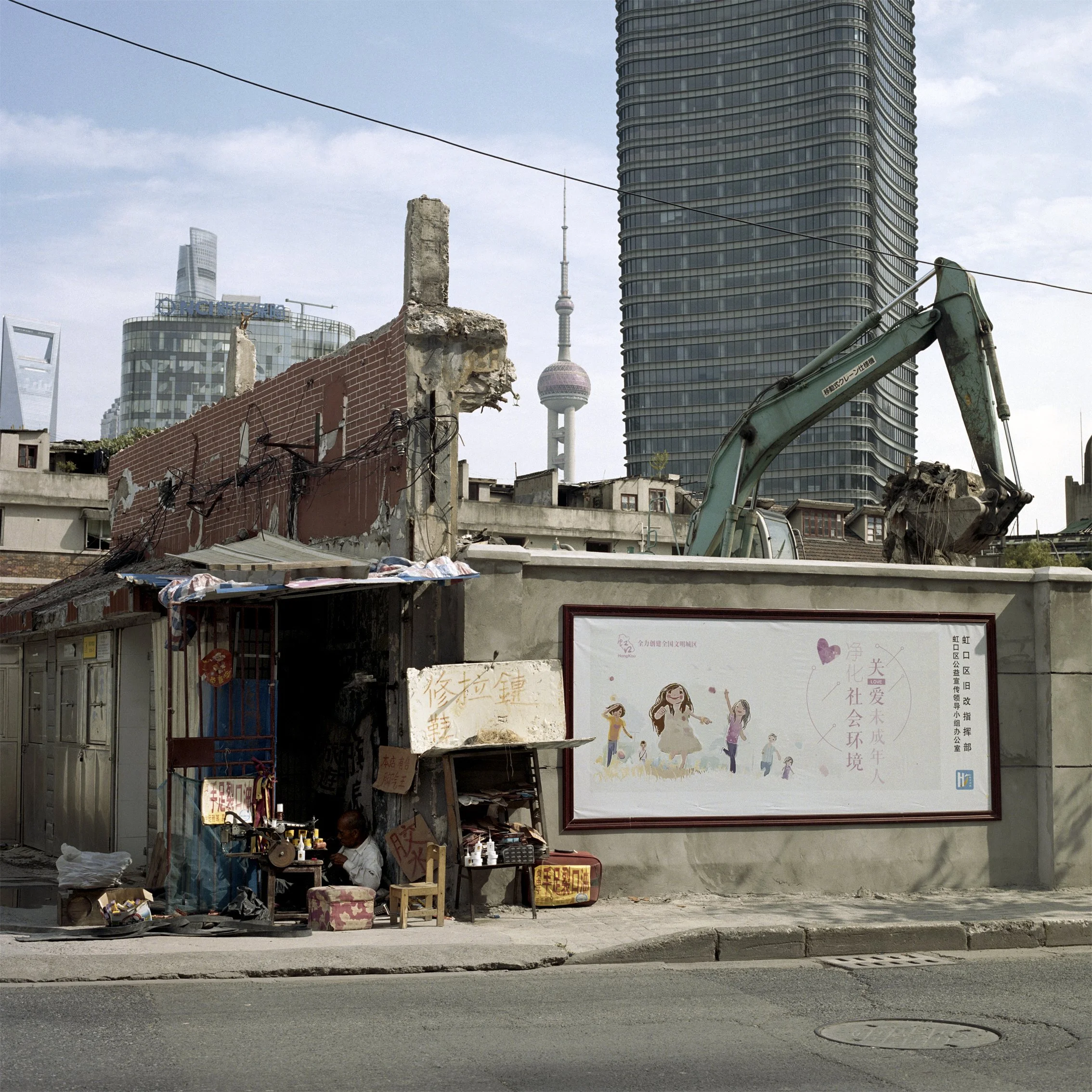
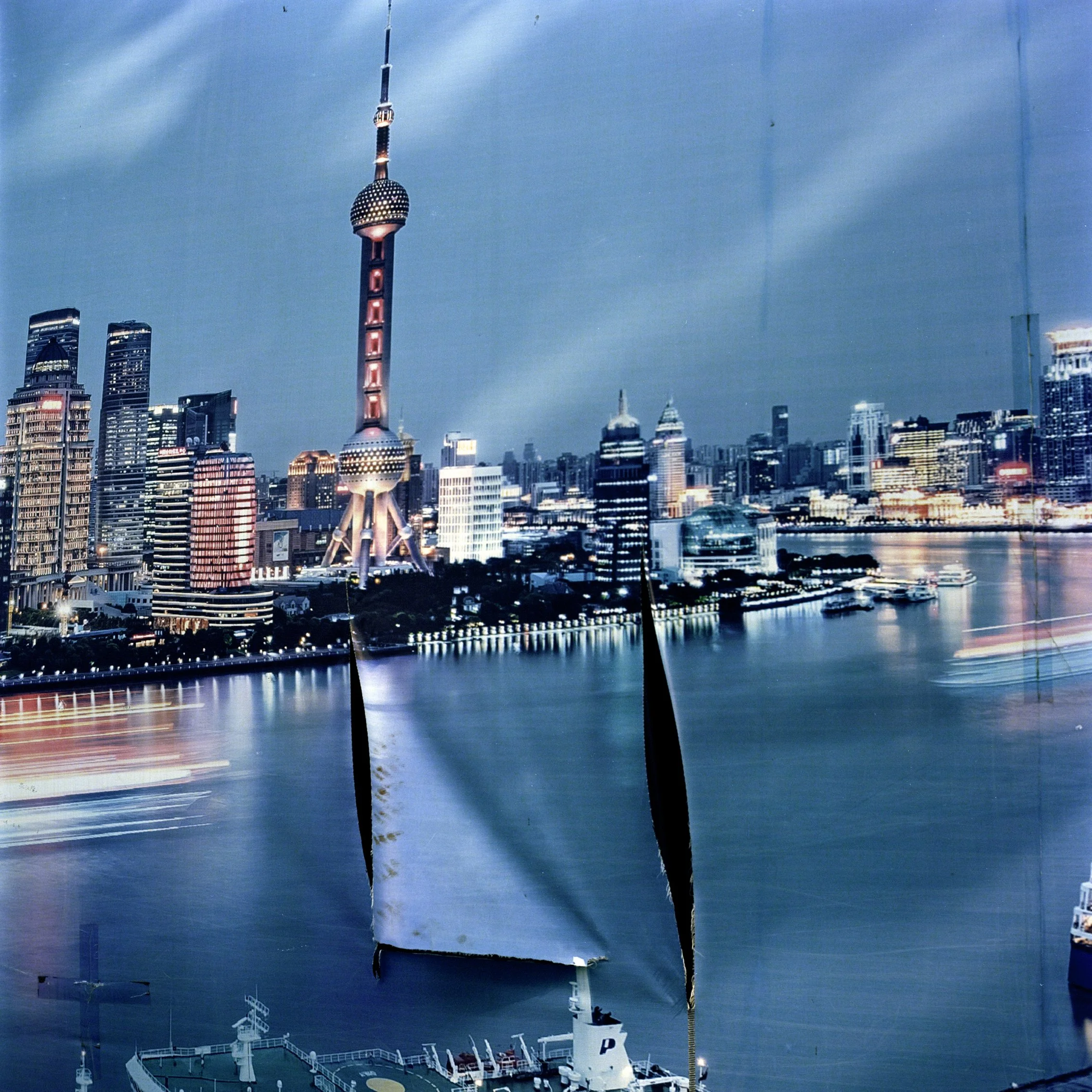
The name Shanghai is formed by two Chinese characters: 上 (shàng, “upon”) and 海 (hǎi, “sea”), together meaning “Upon the Sea.” Beneath the city’s rapid transformation into a global financial centre, however, older forms of communal life continue to disappear.
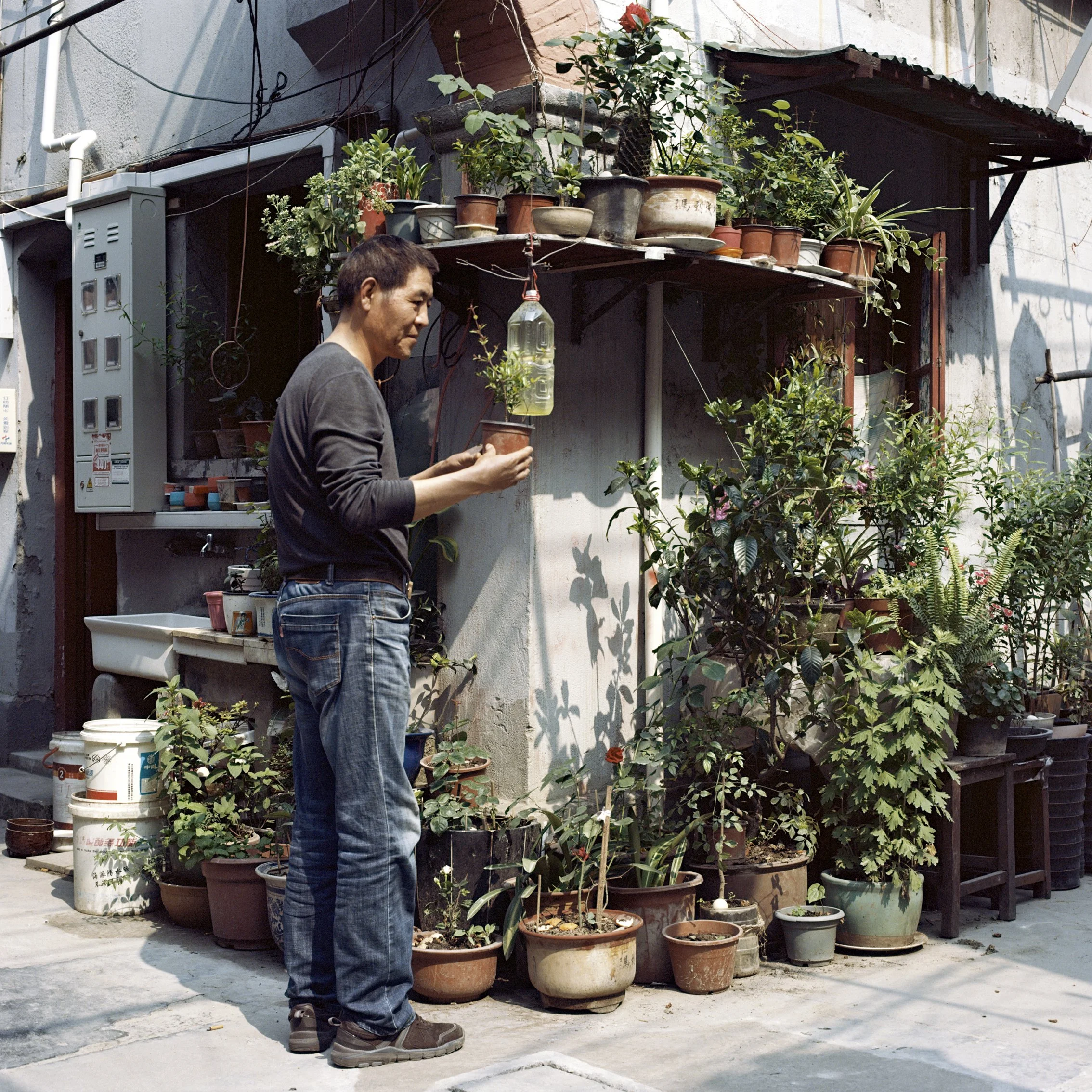
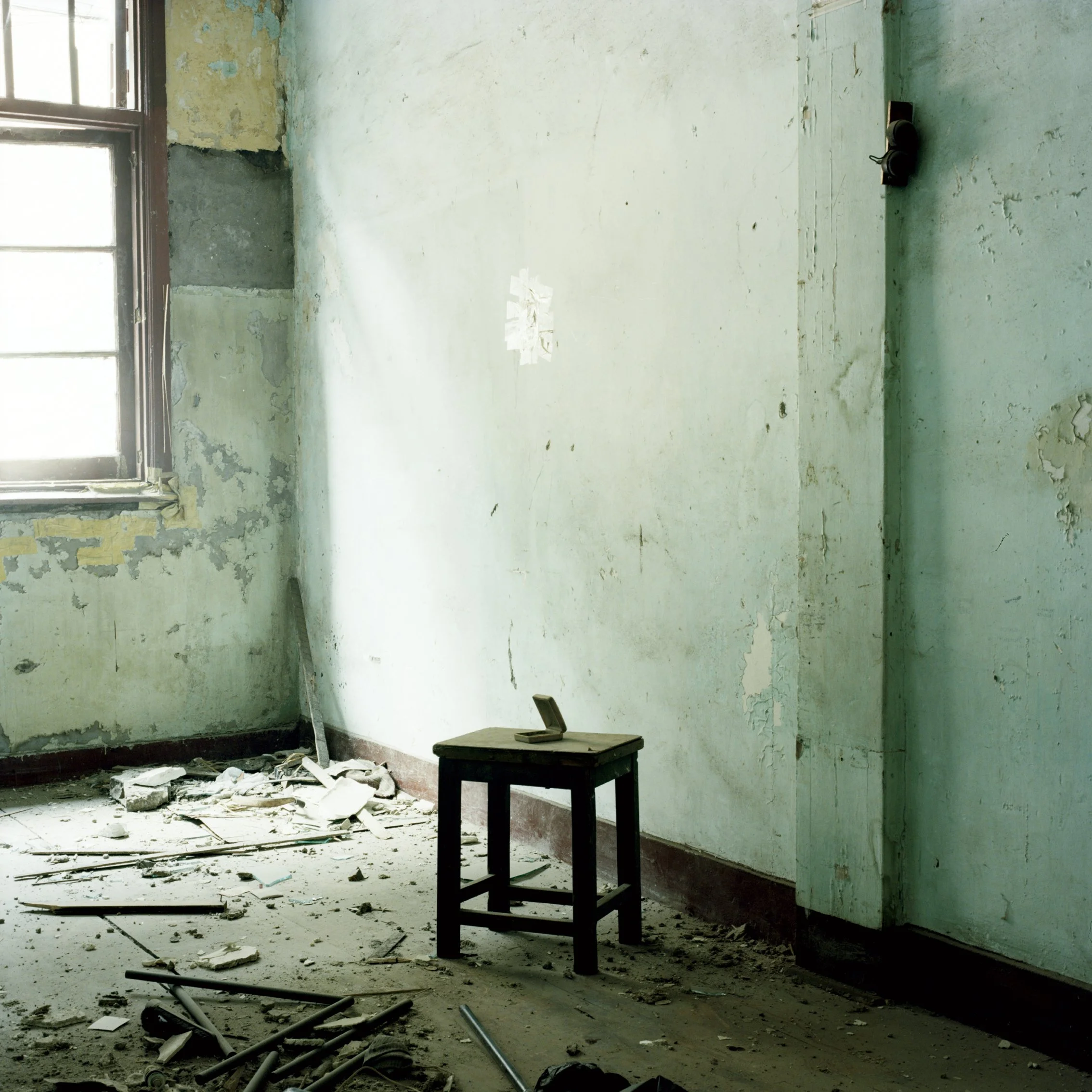
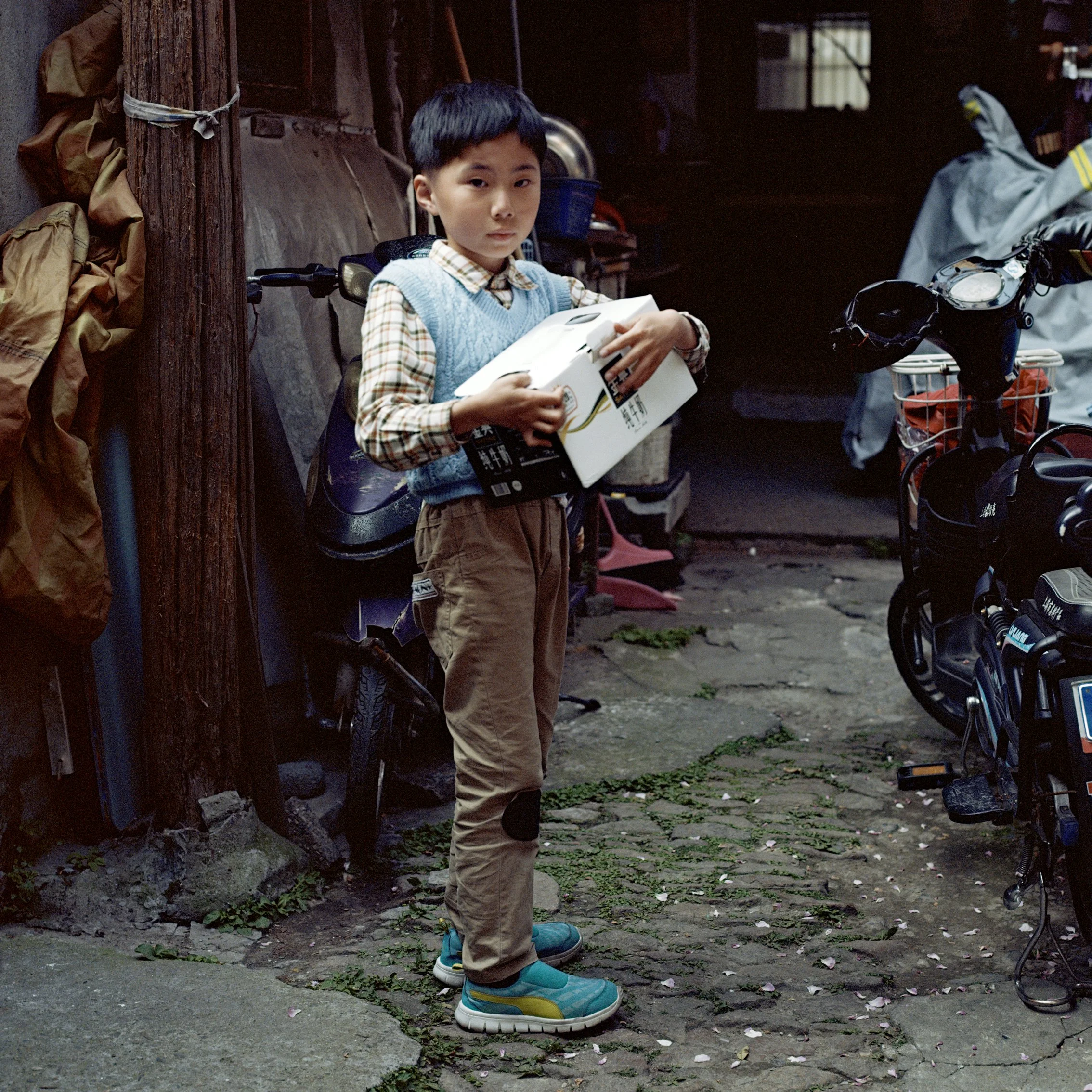
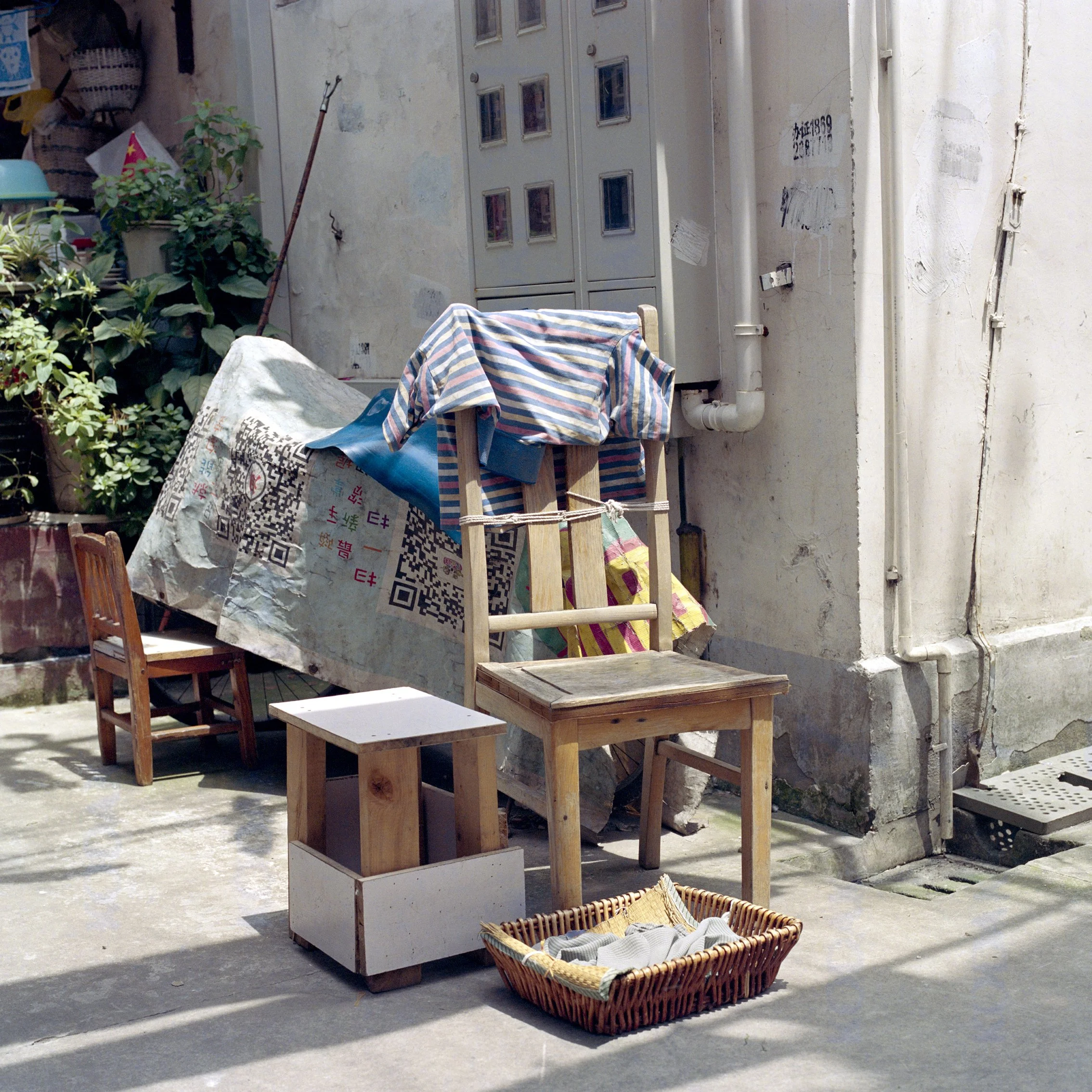
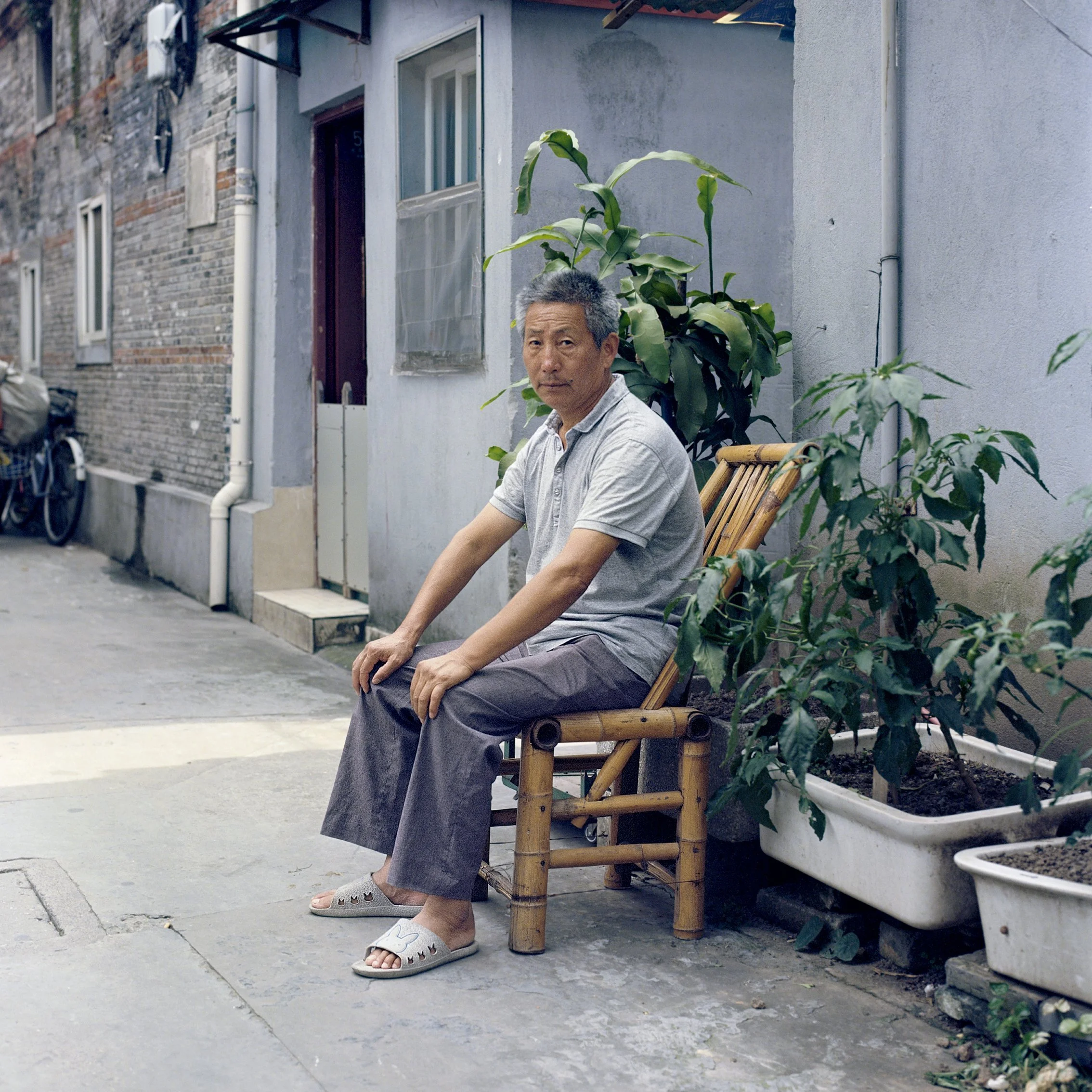
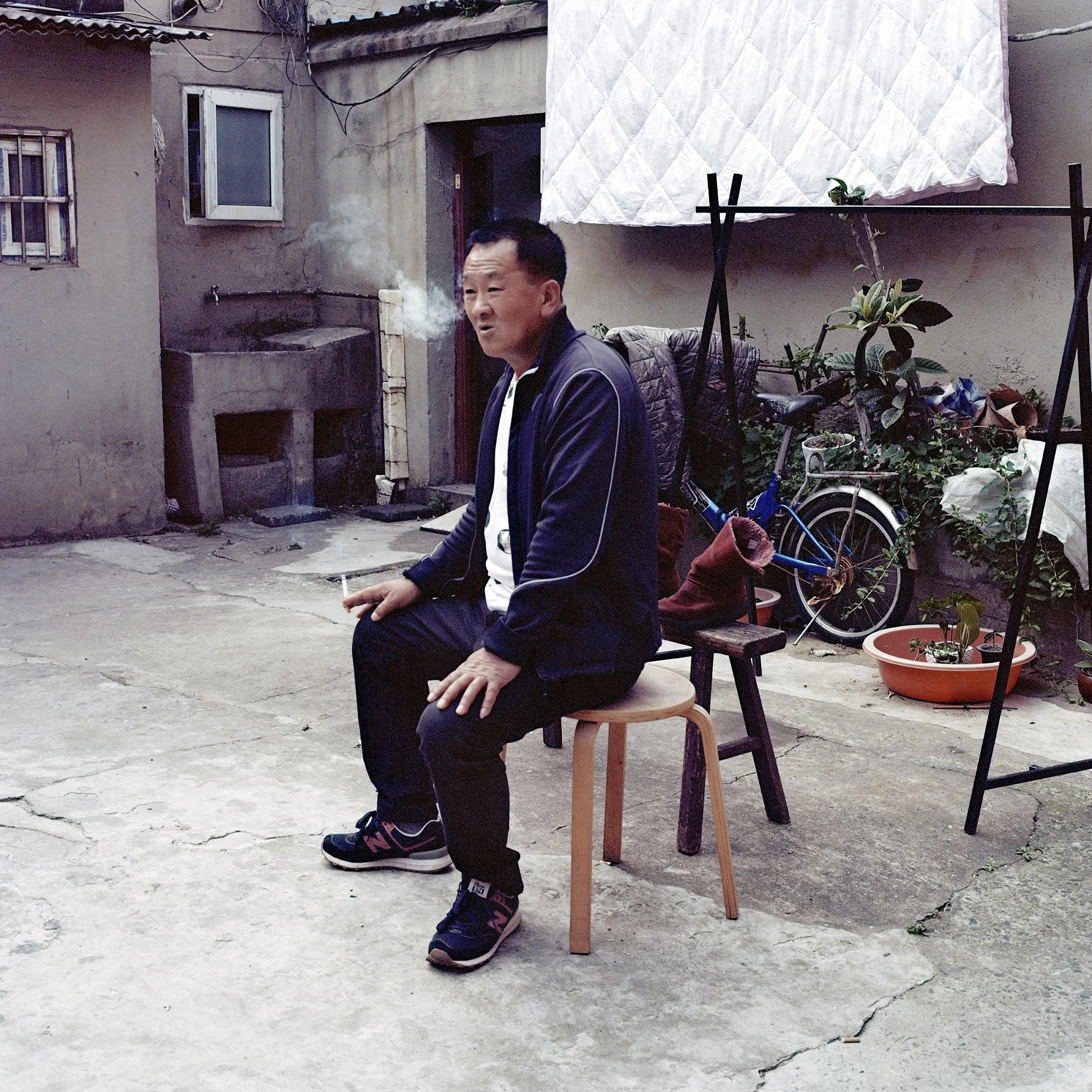
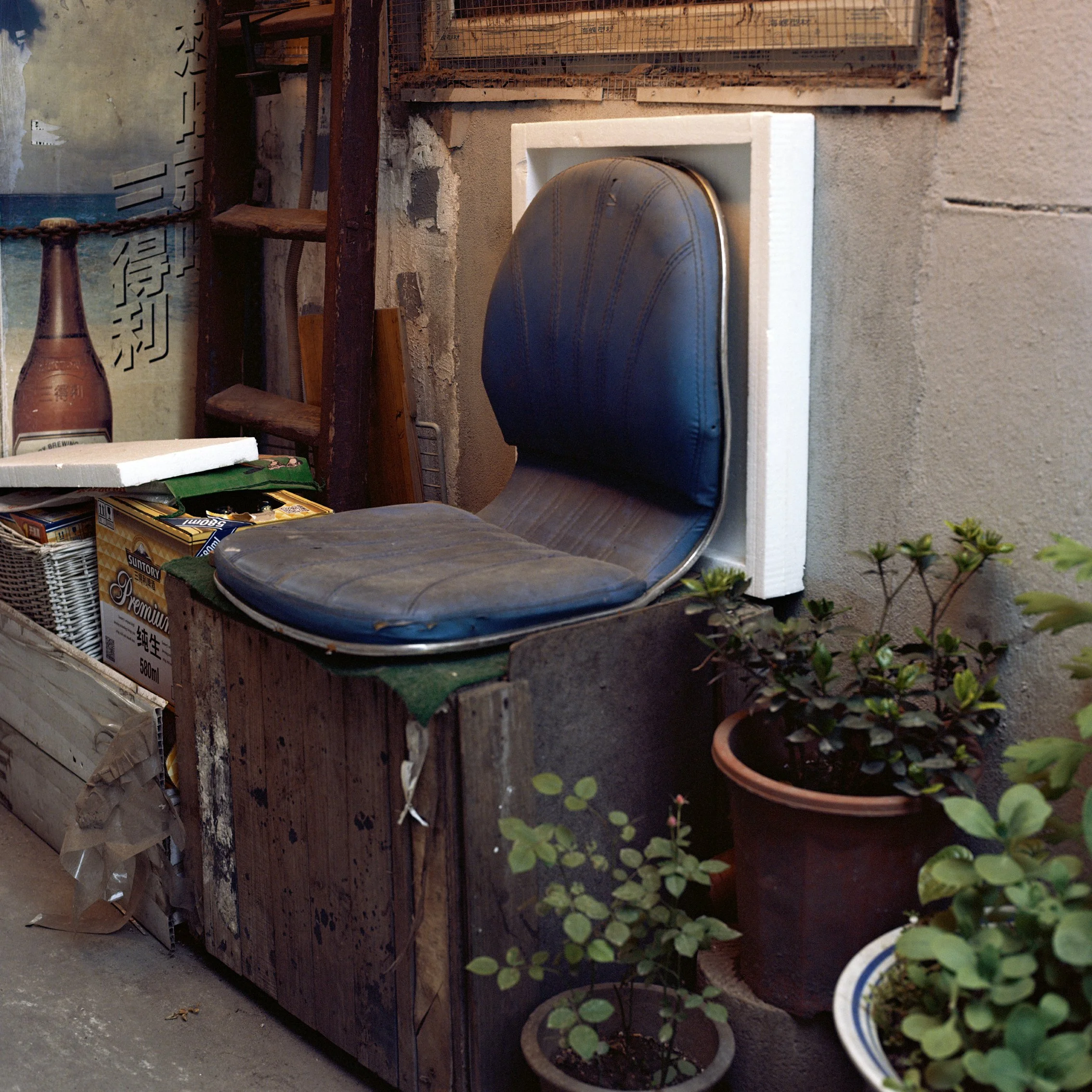
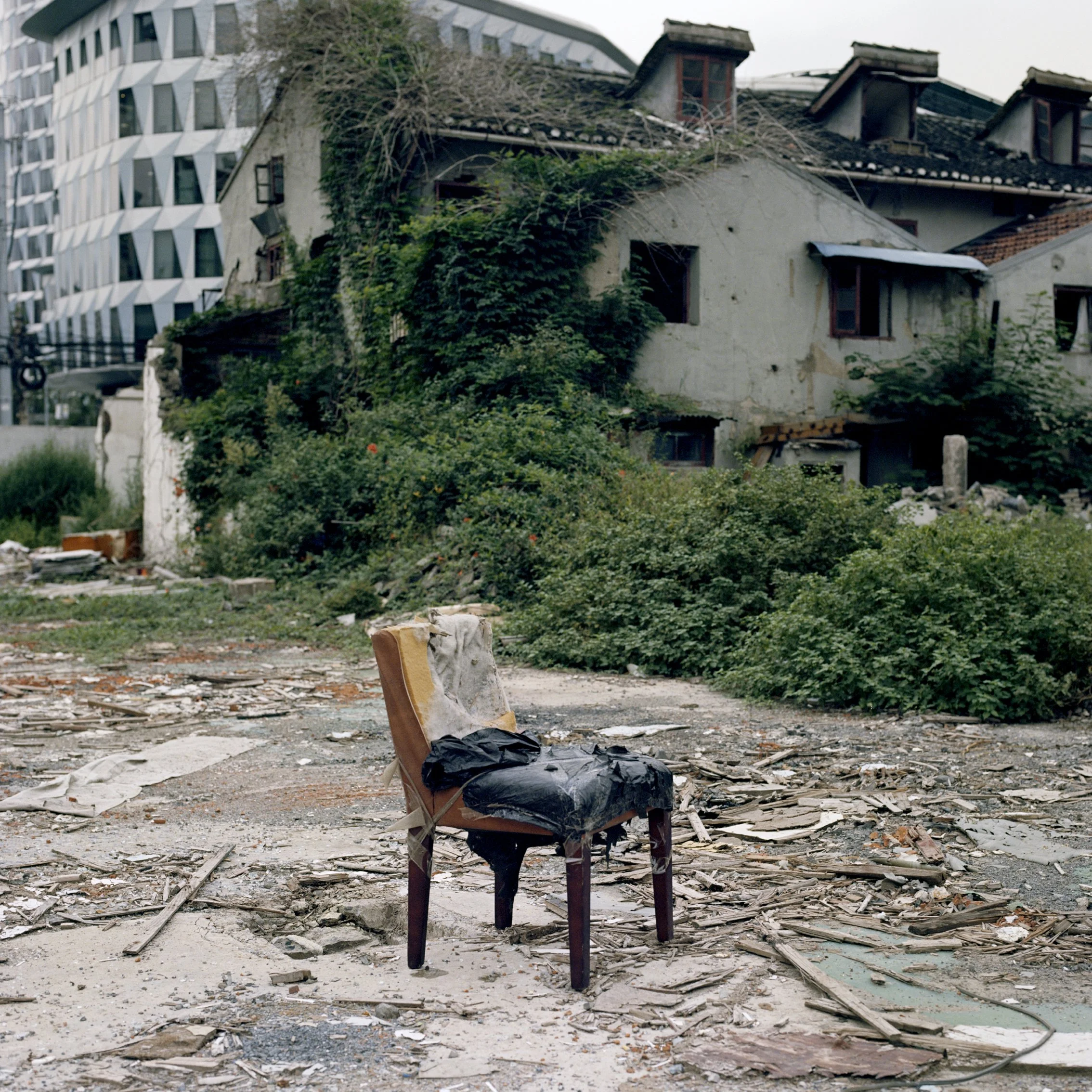
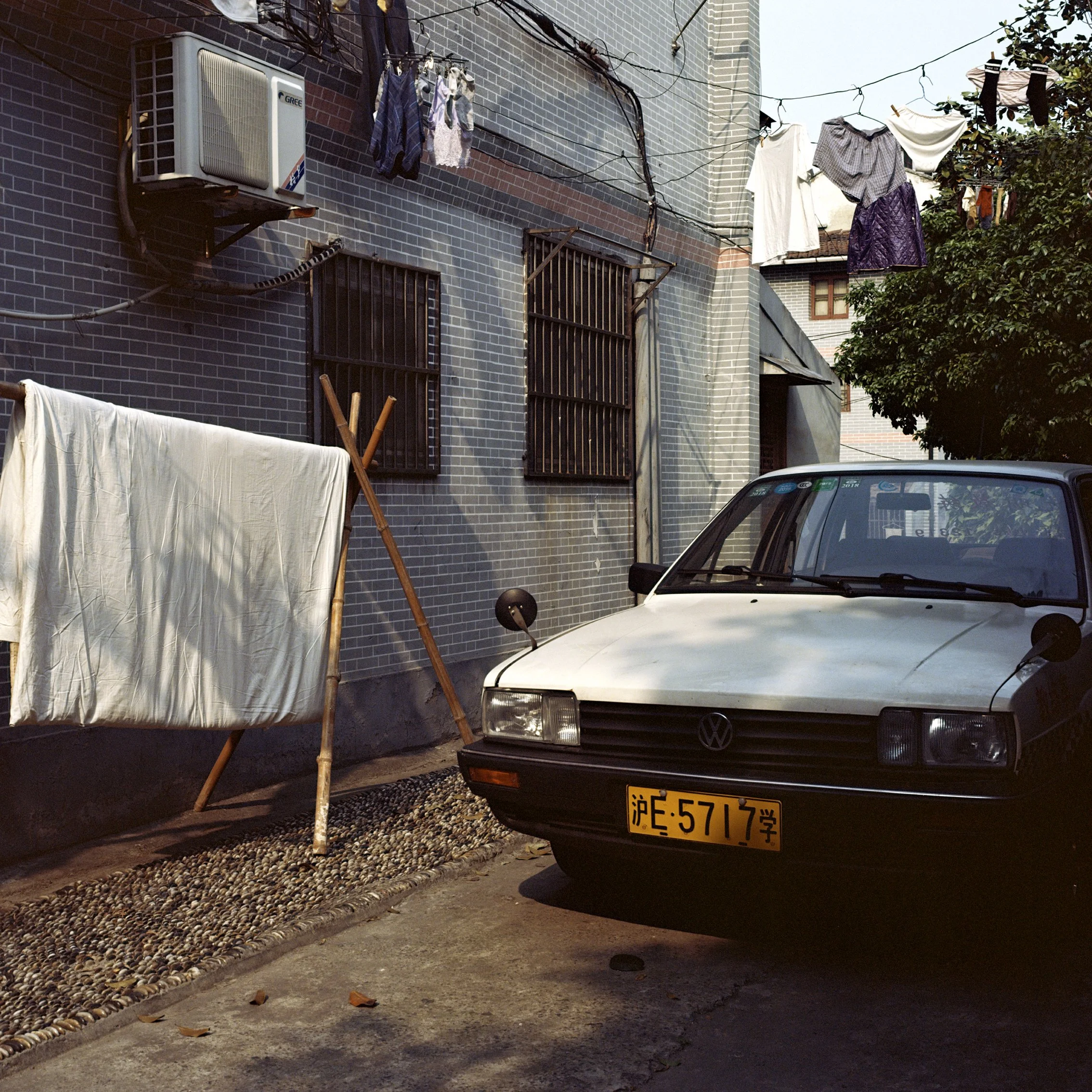
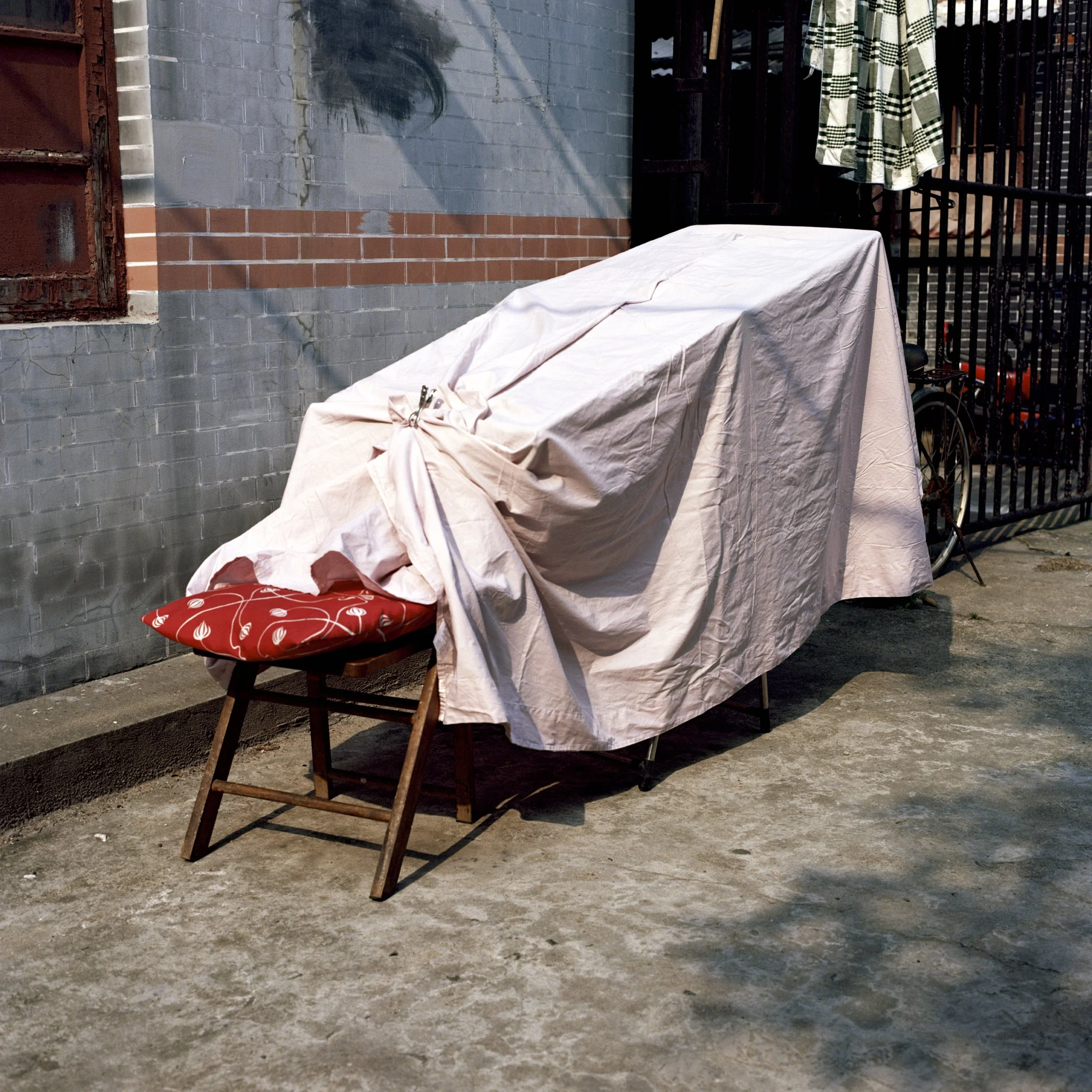
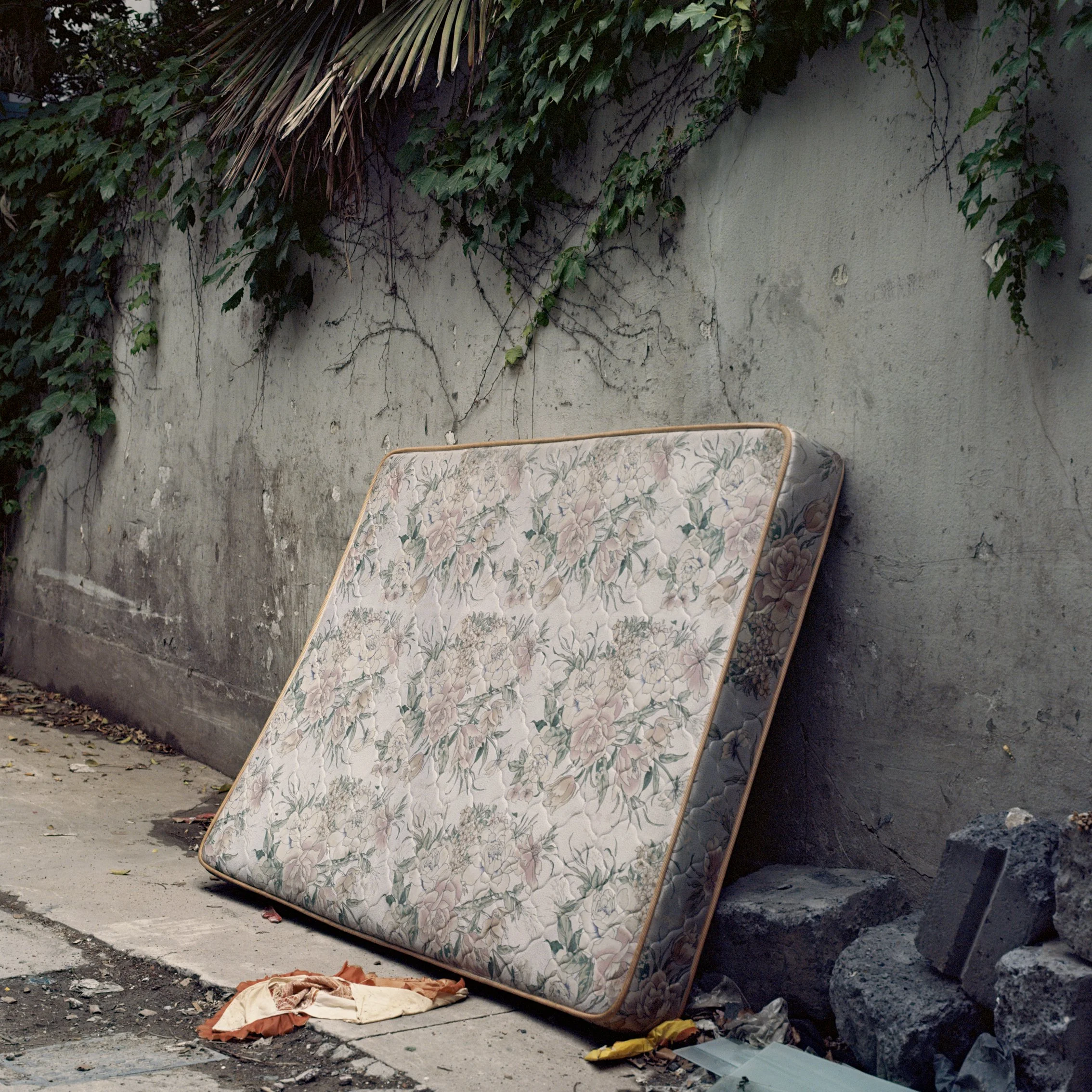
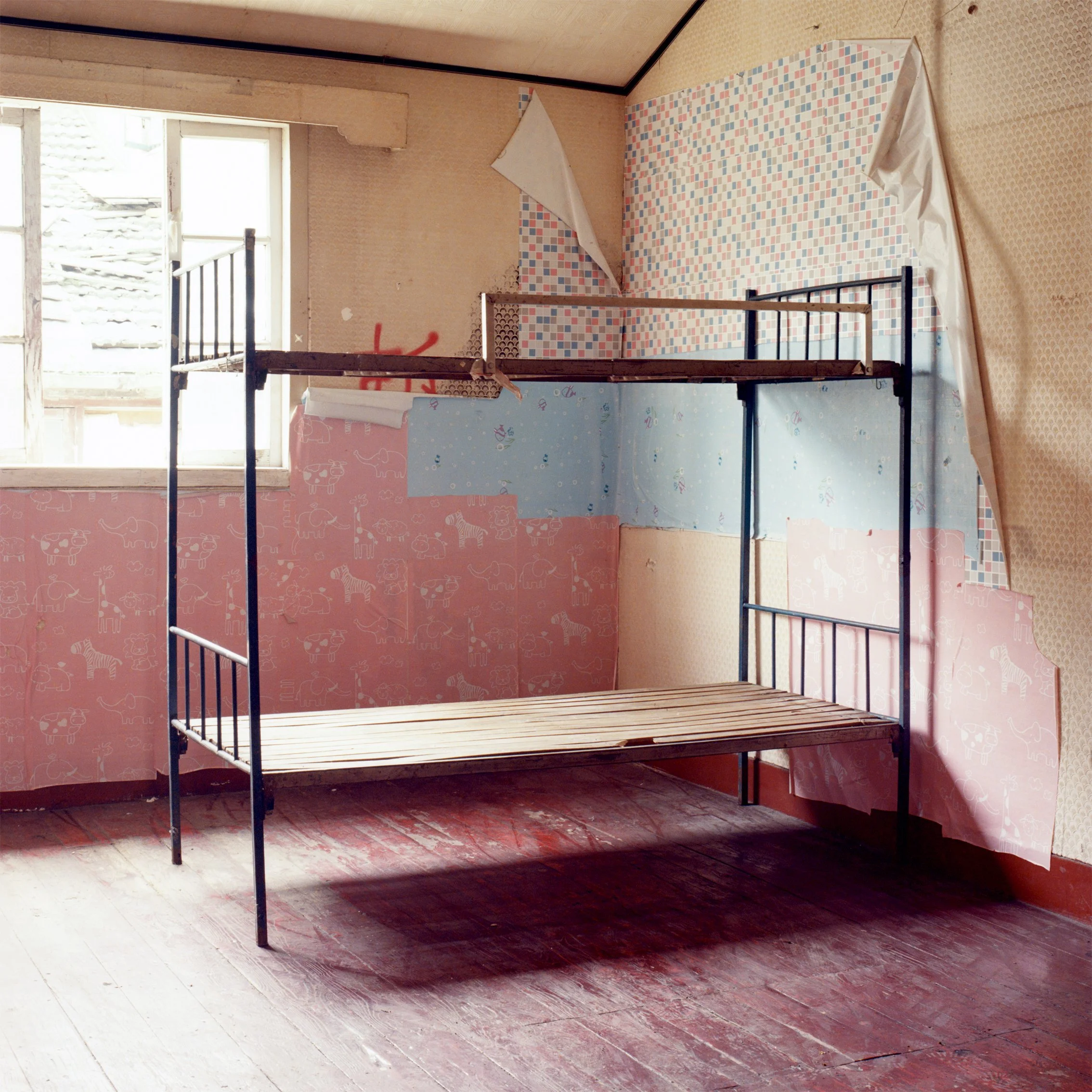
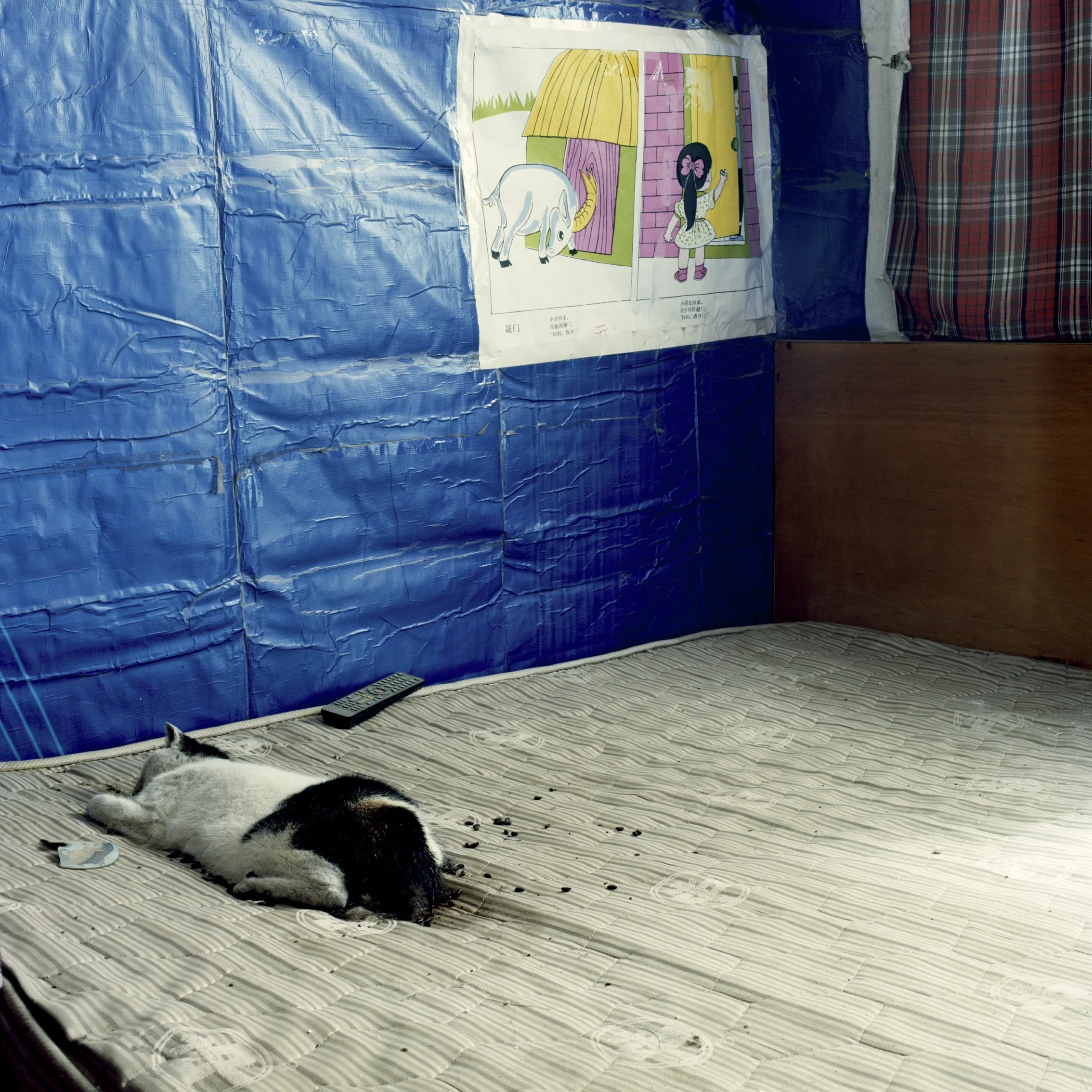
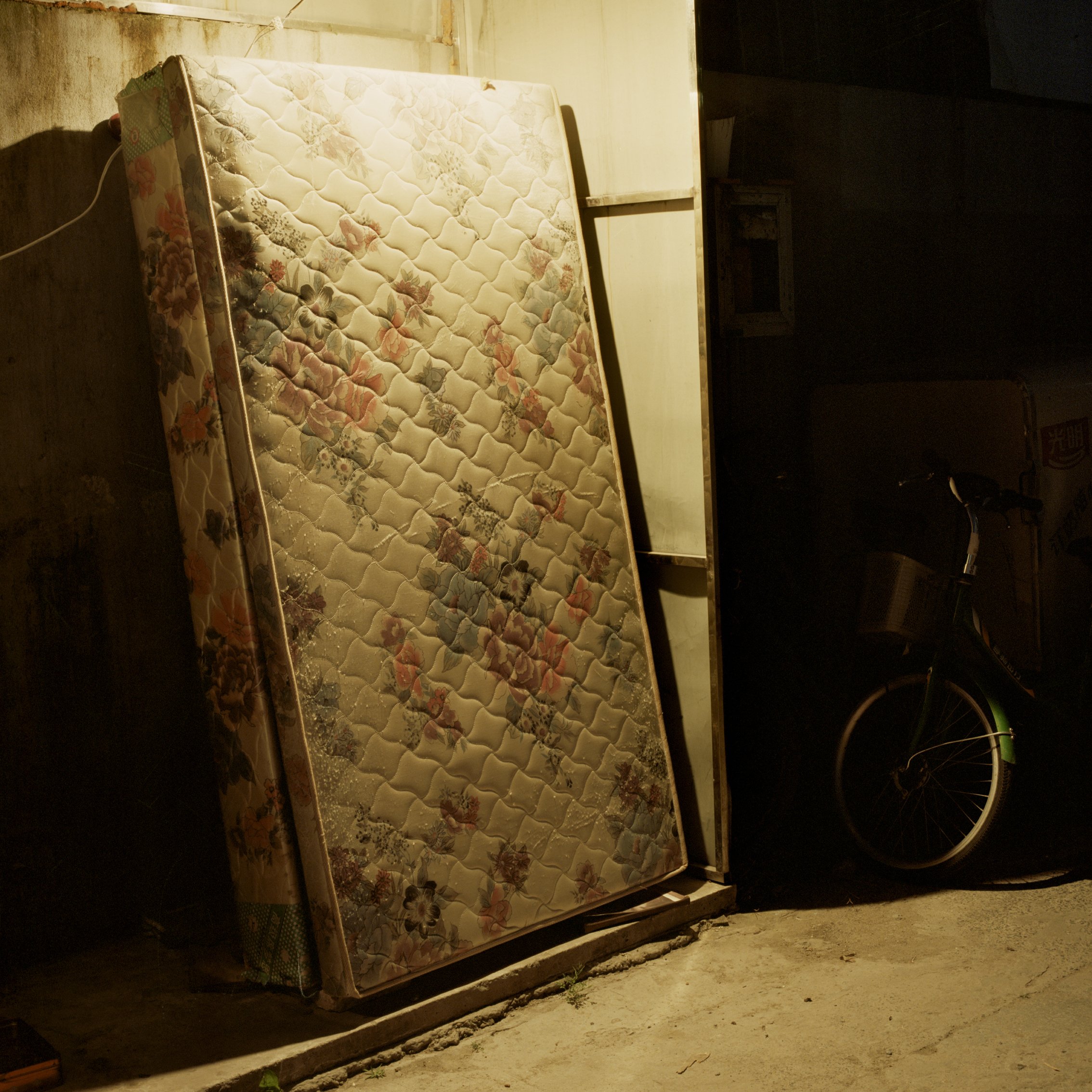
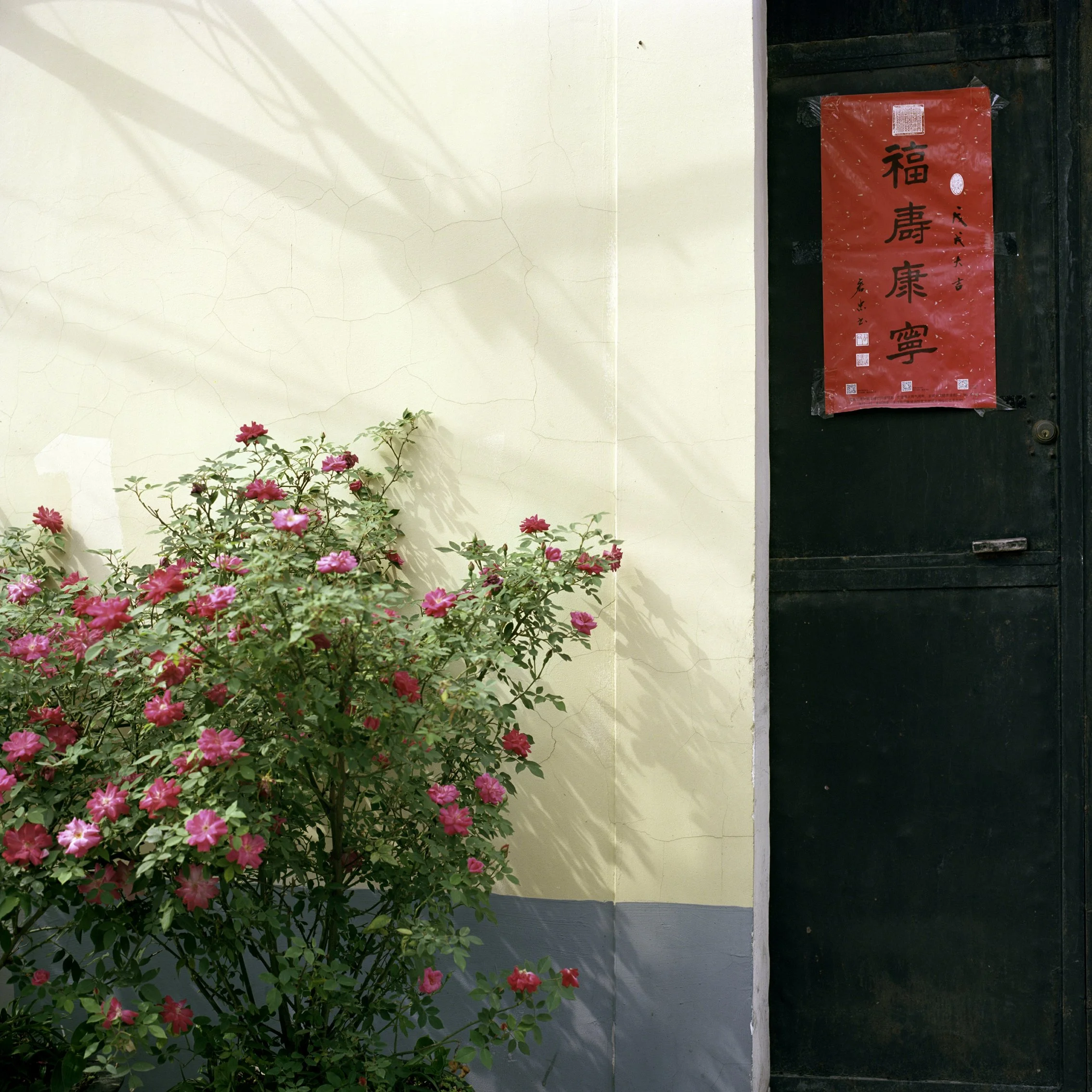
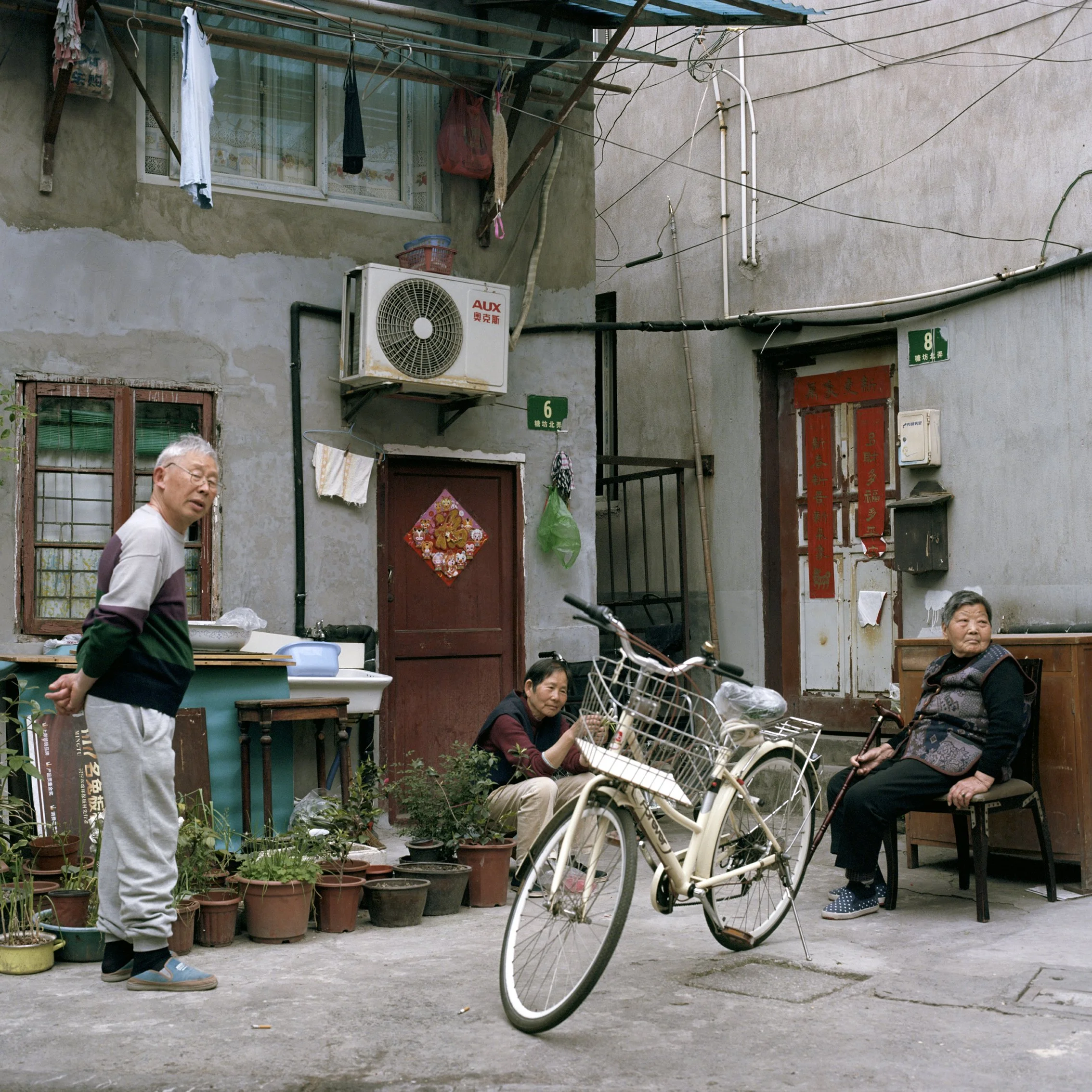
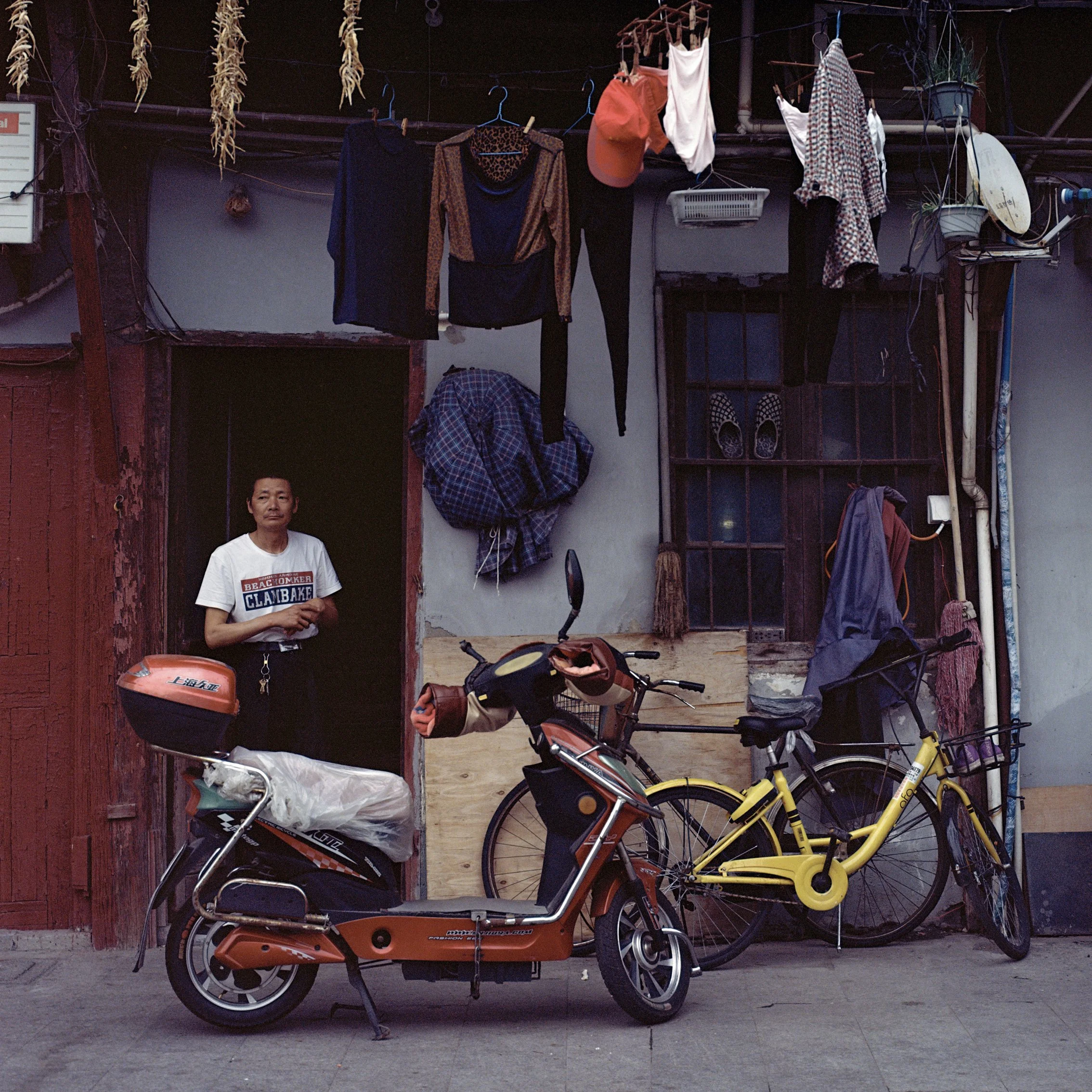
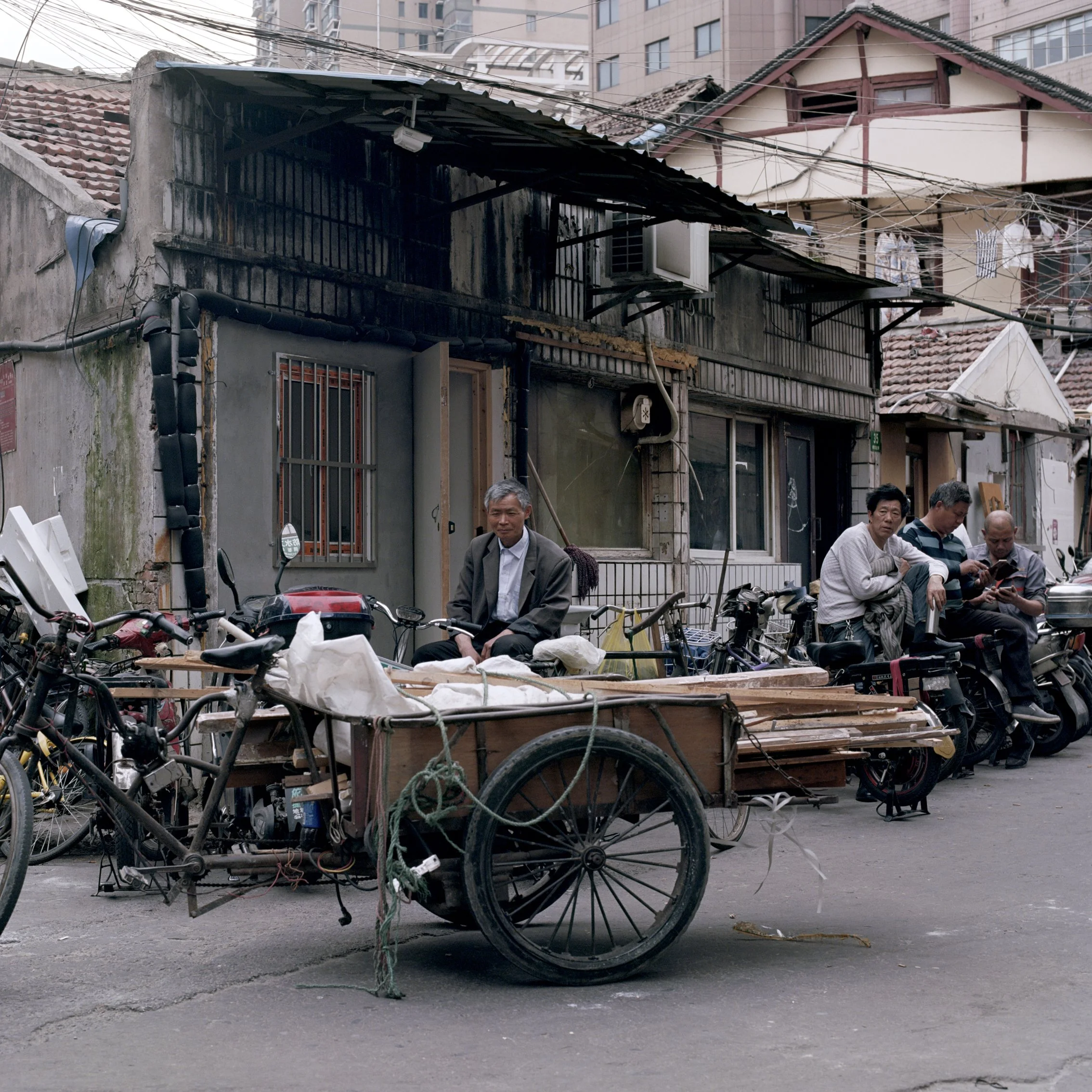
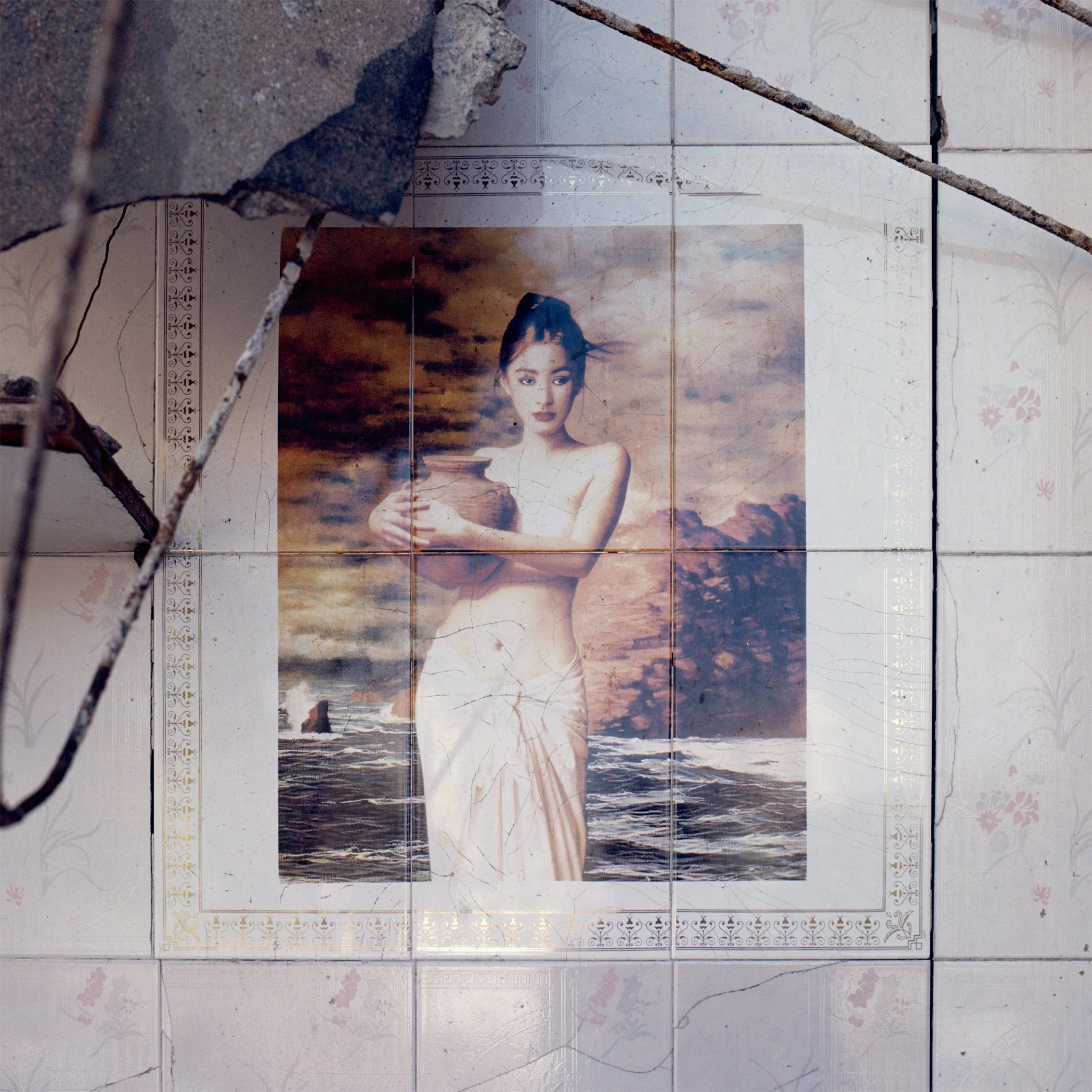
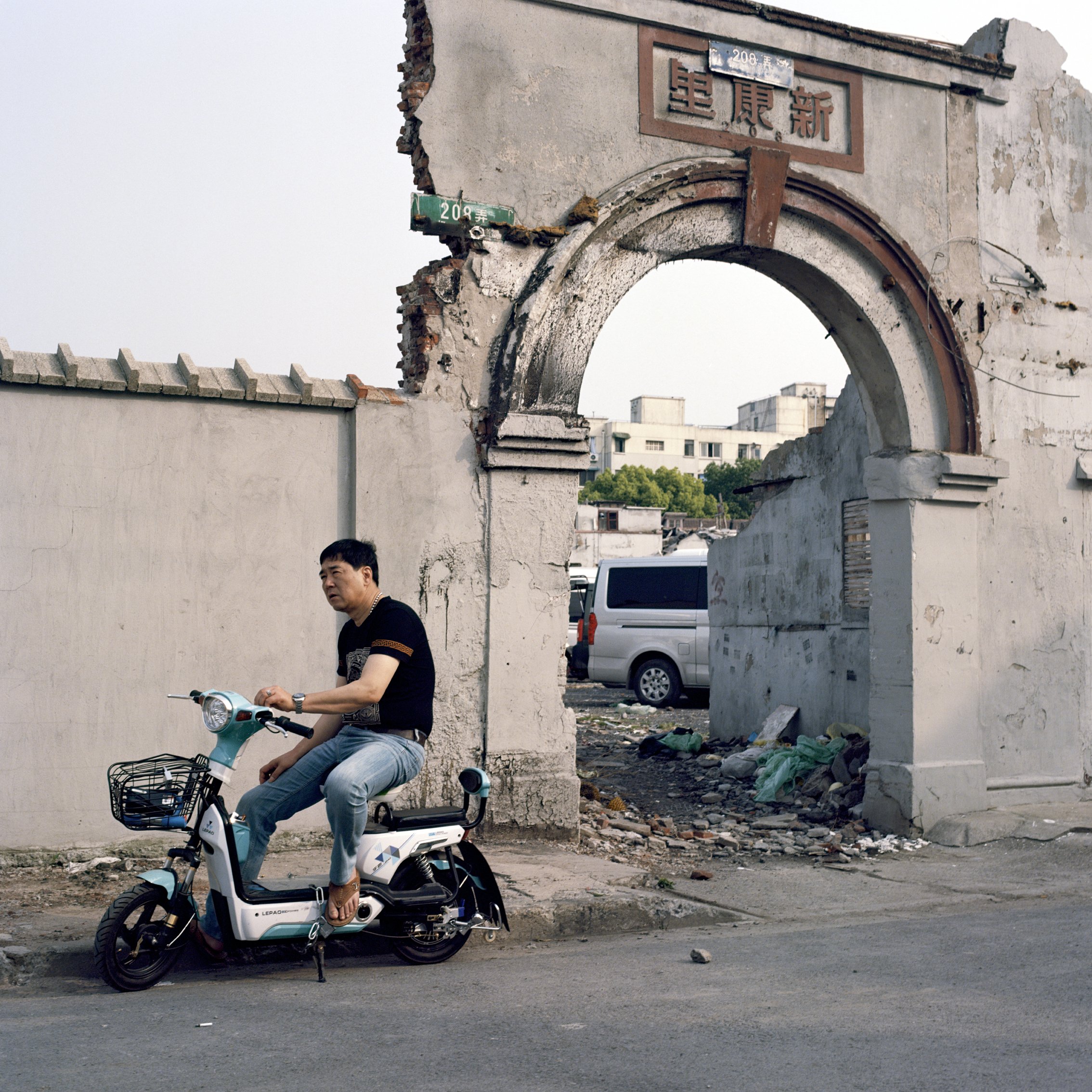
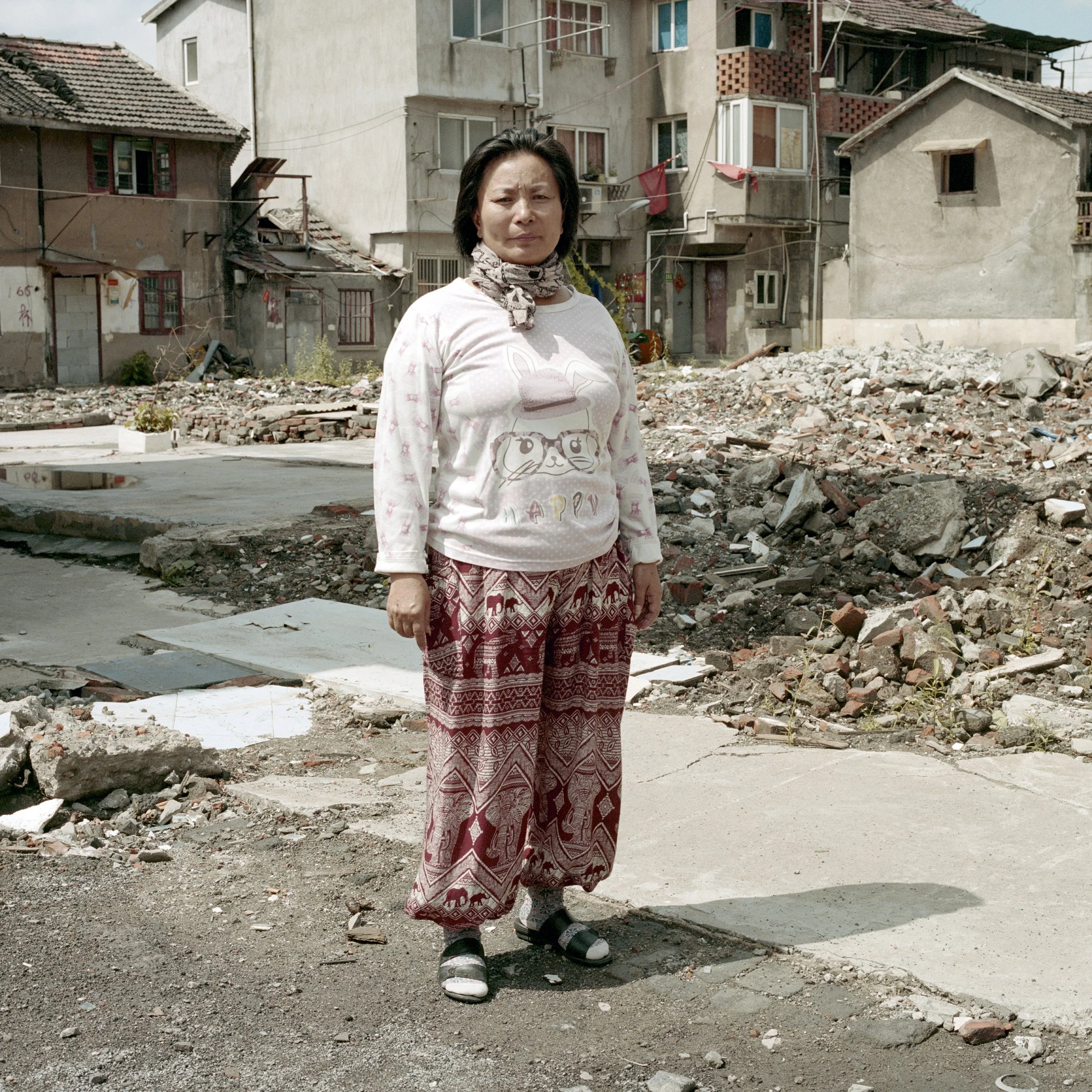
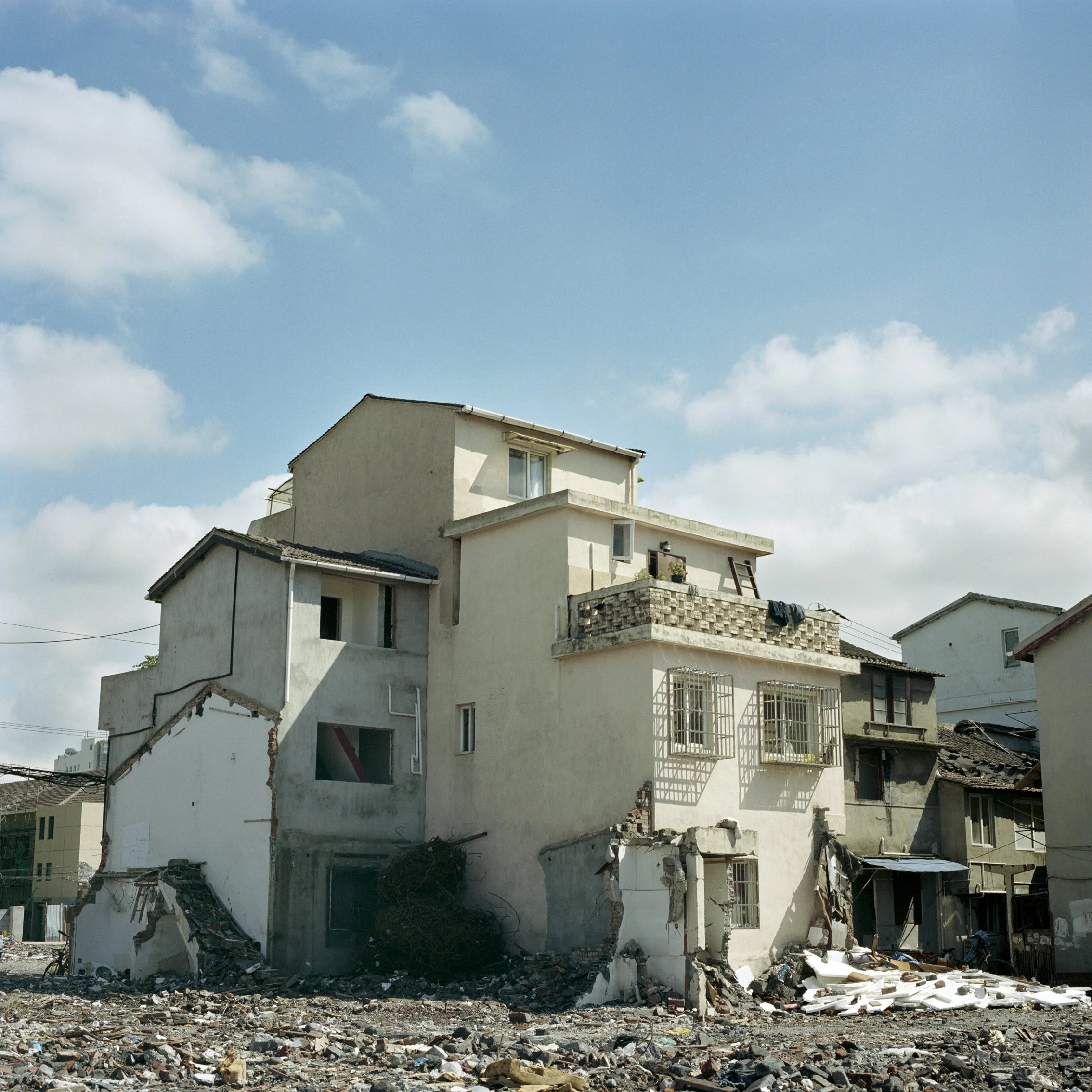
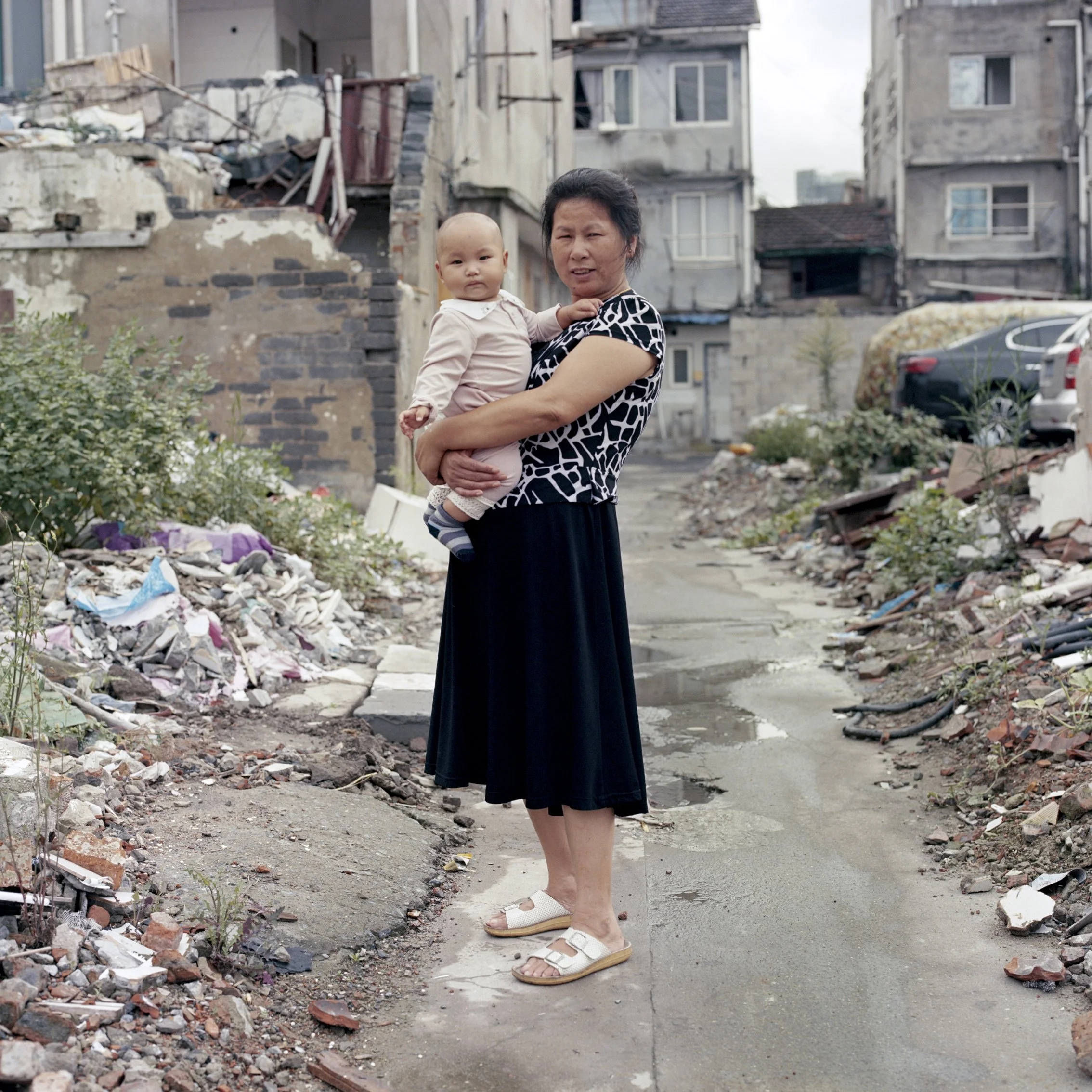
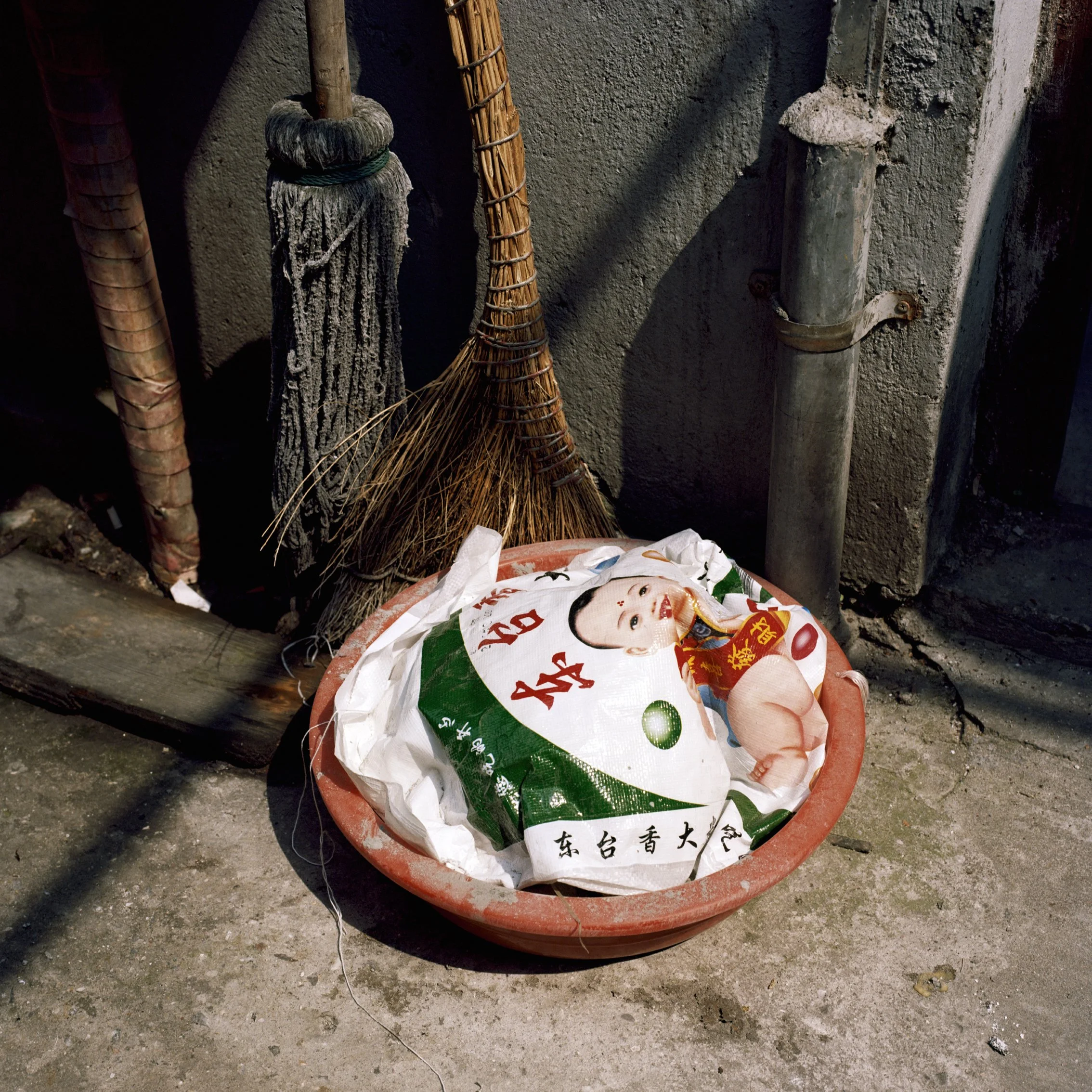
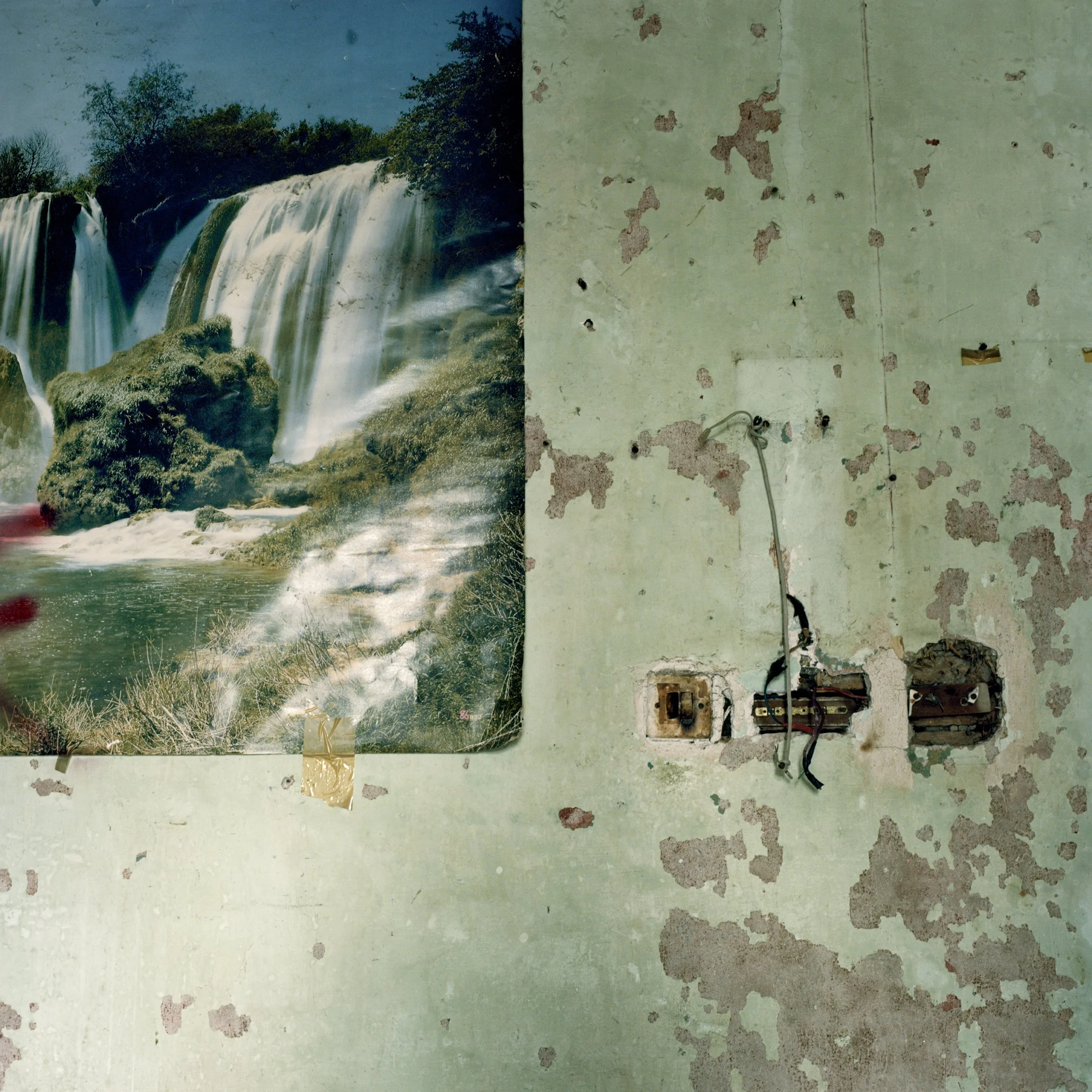
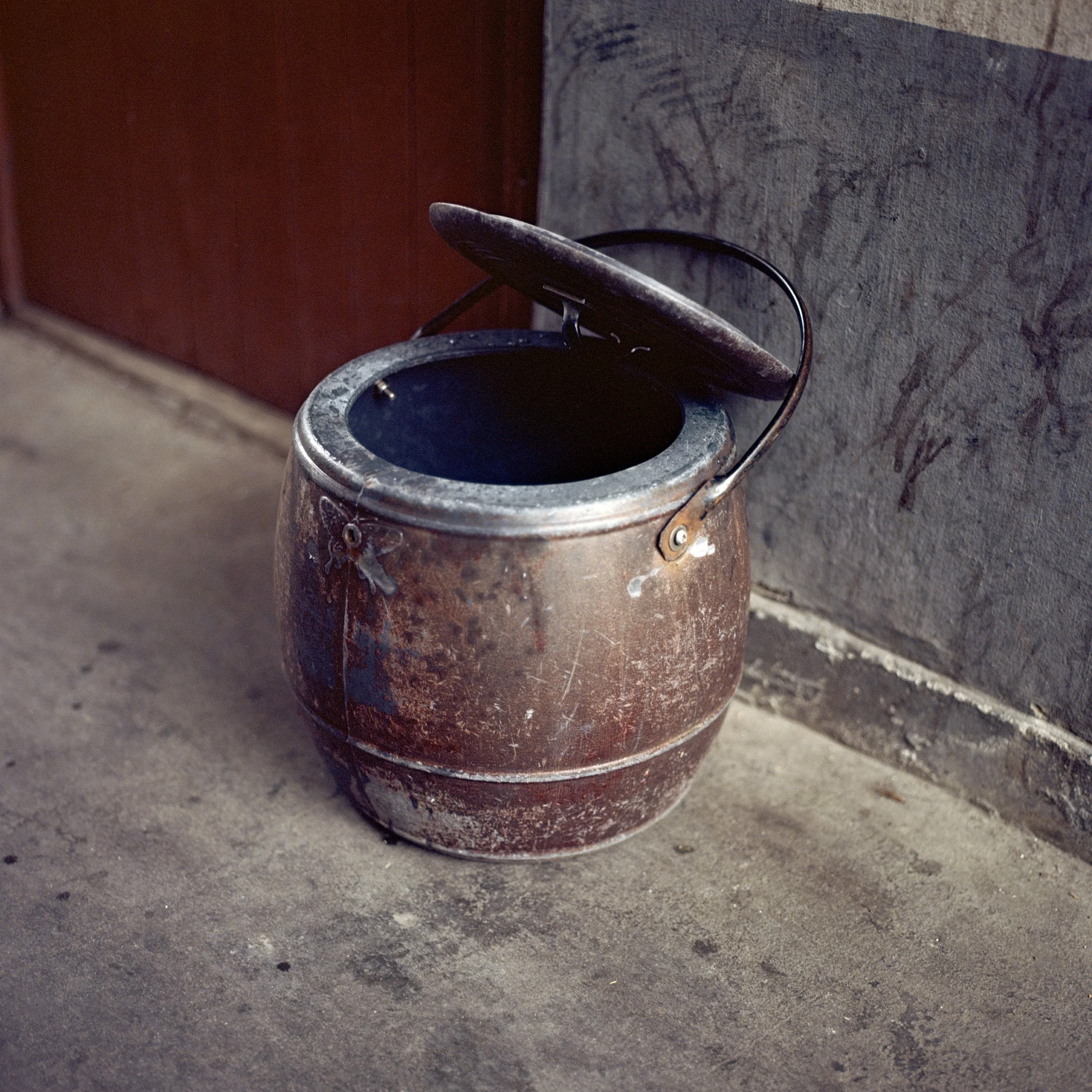
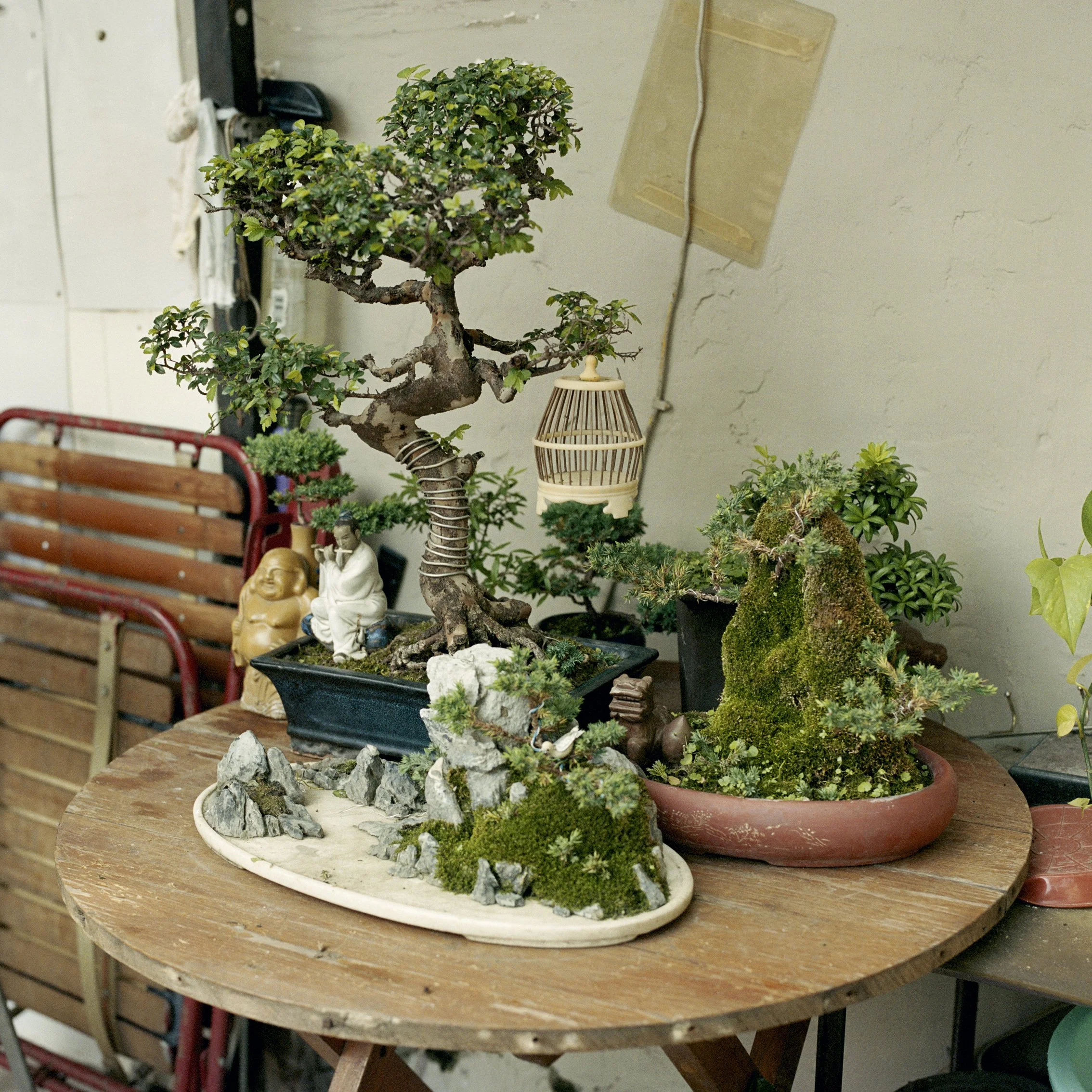
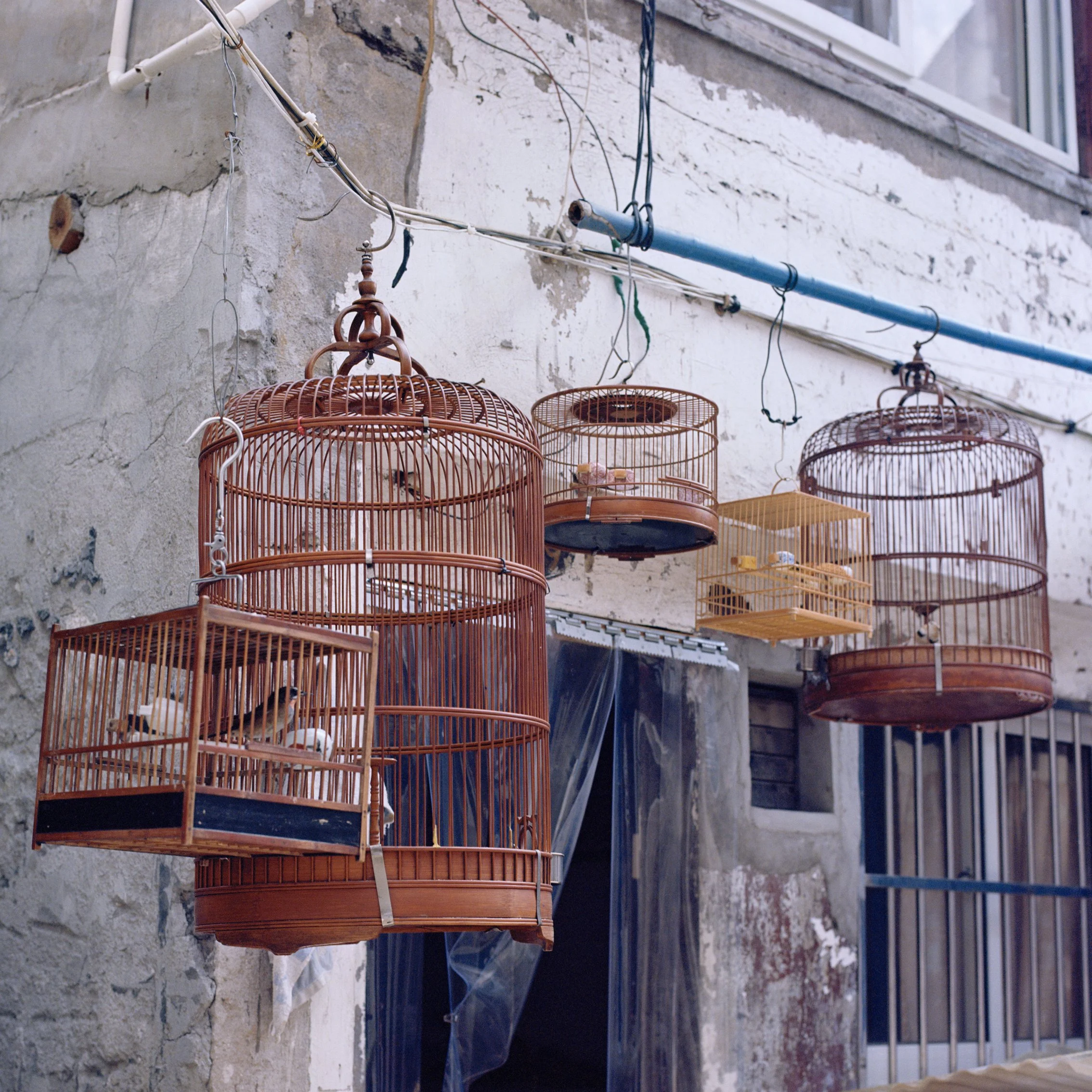
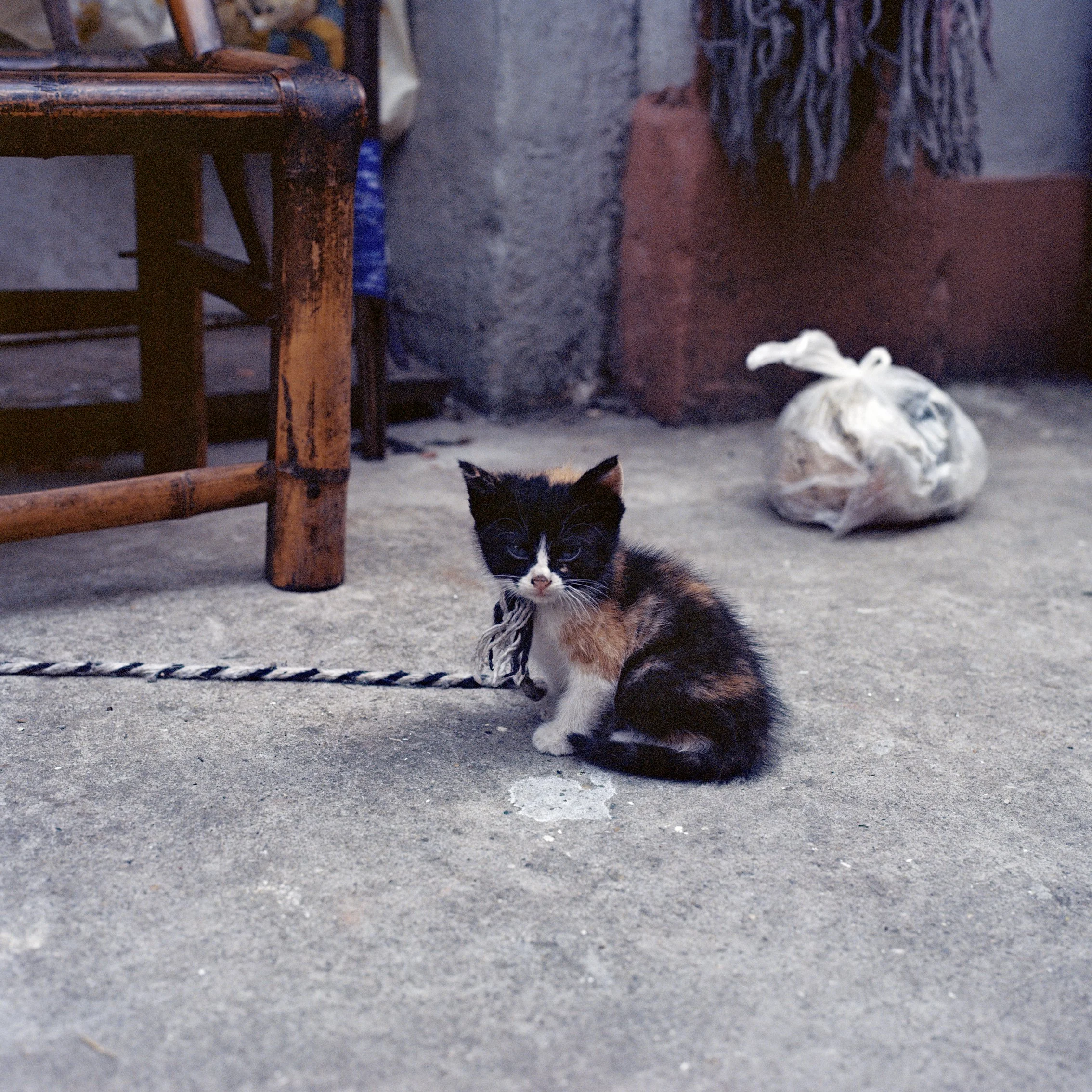
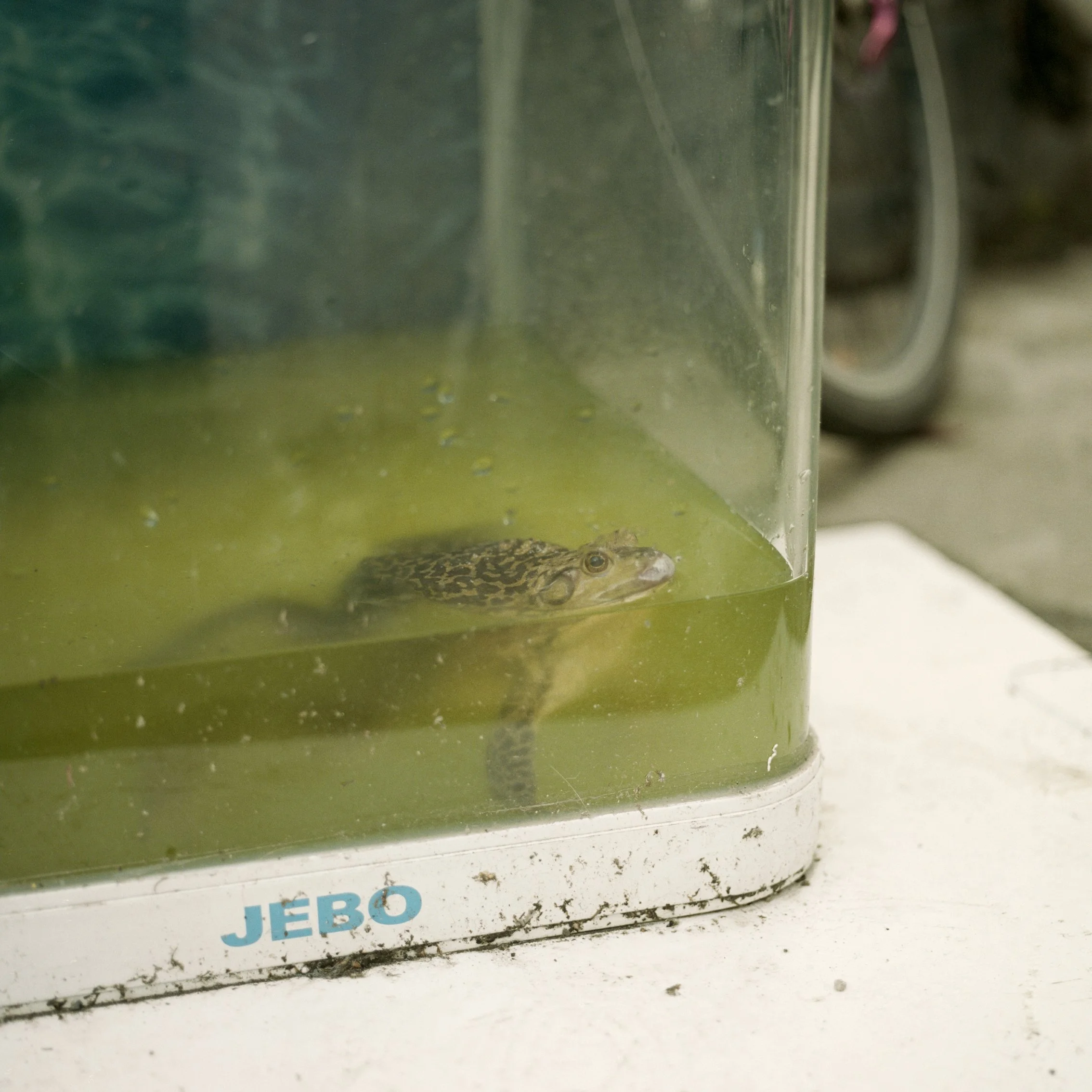
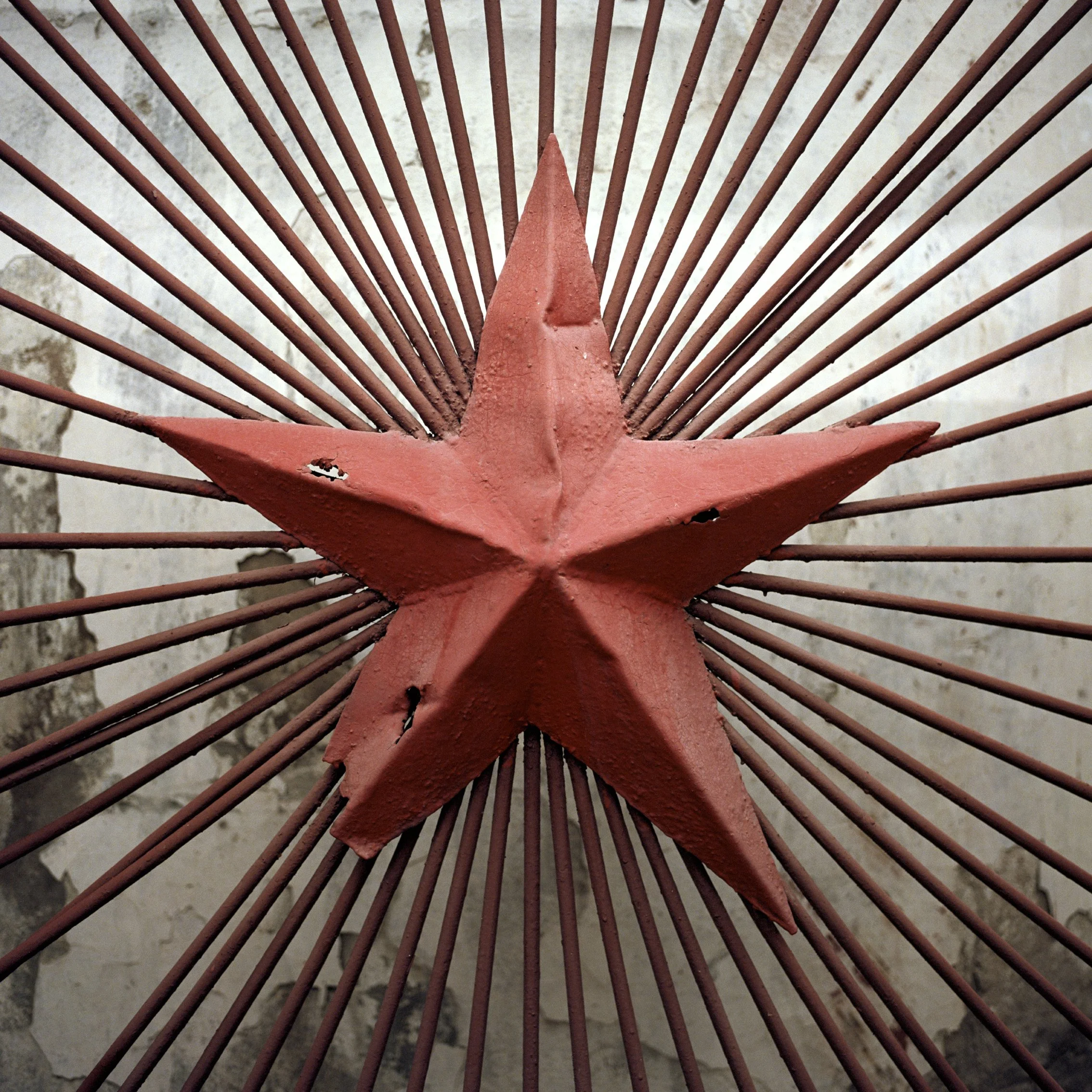
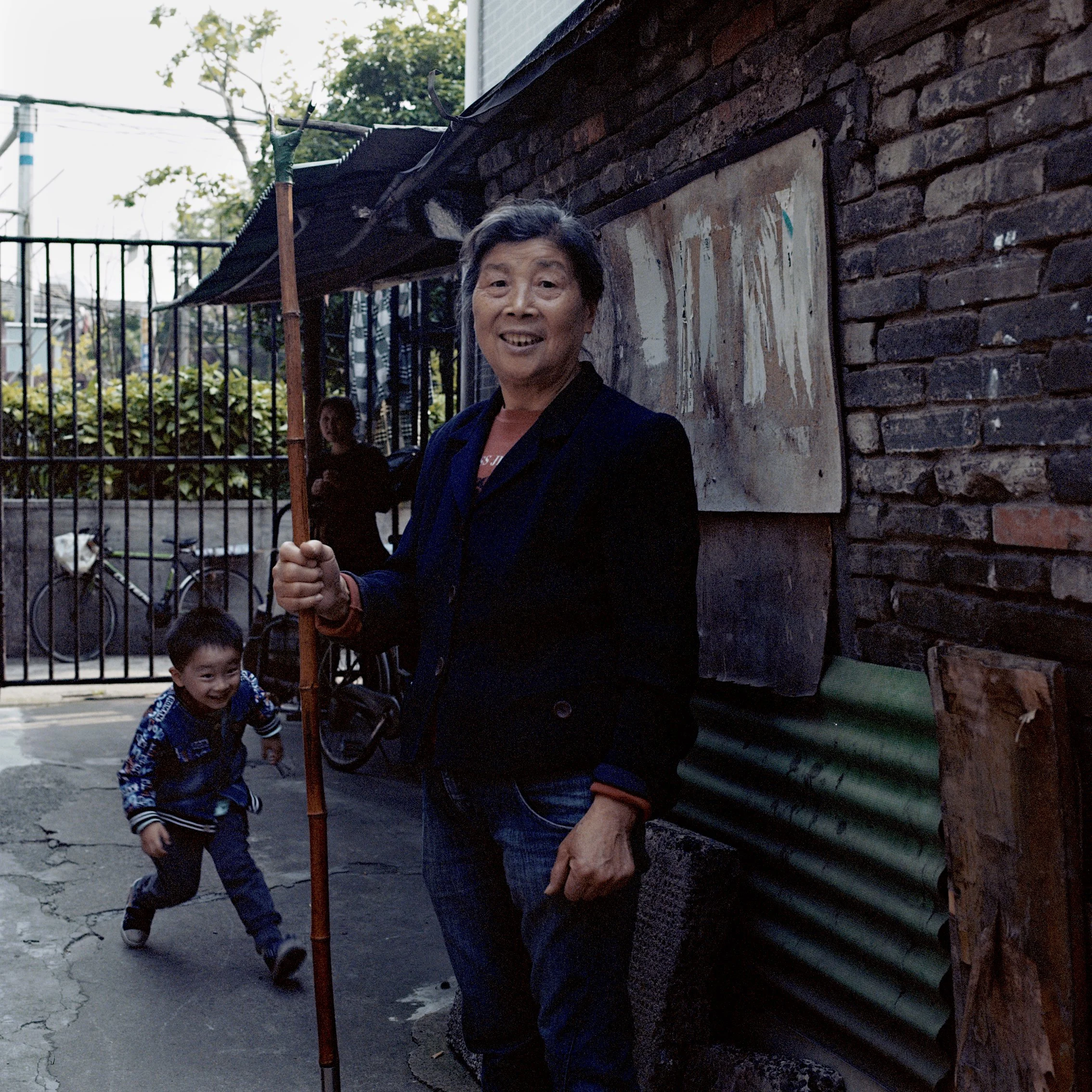
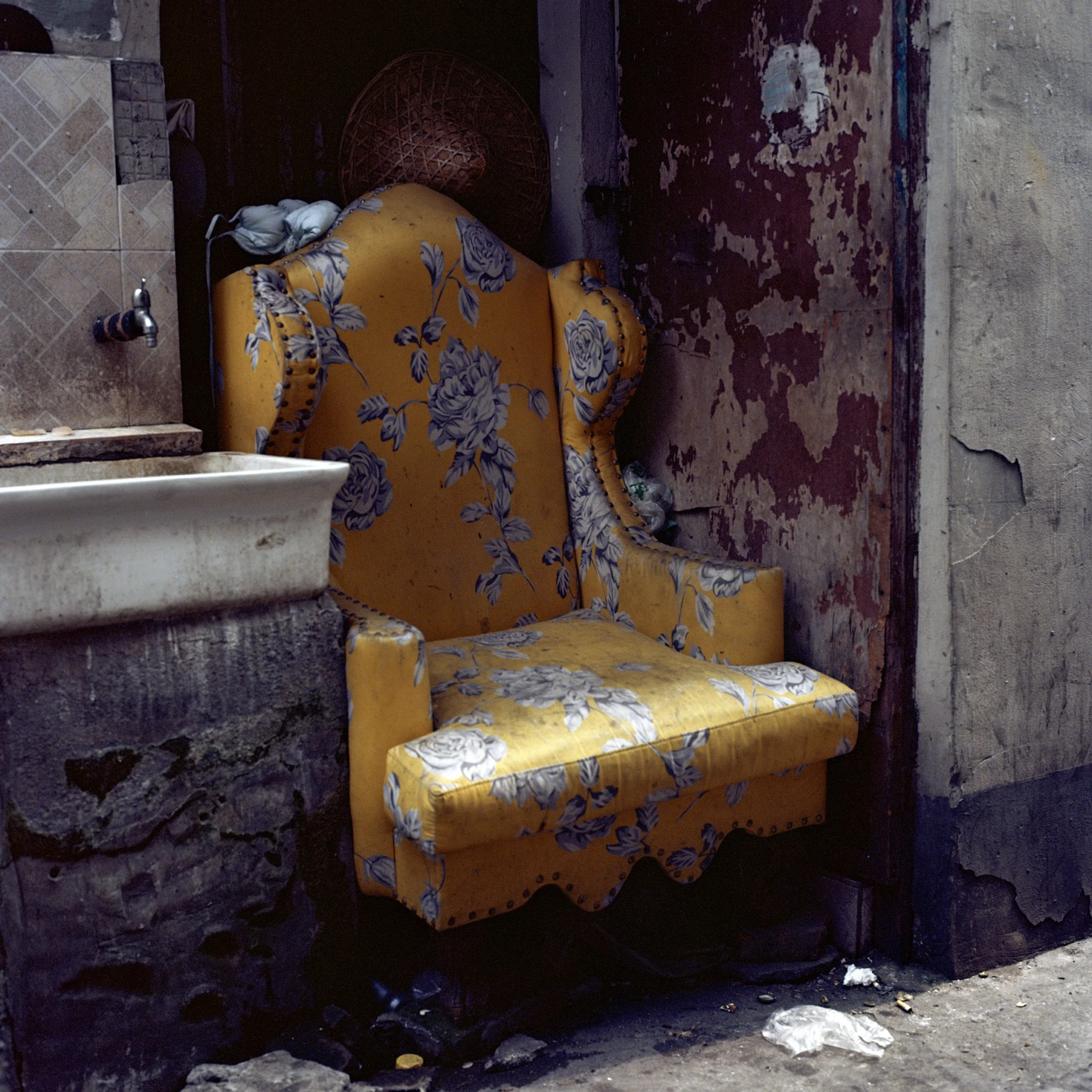
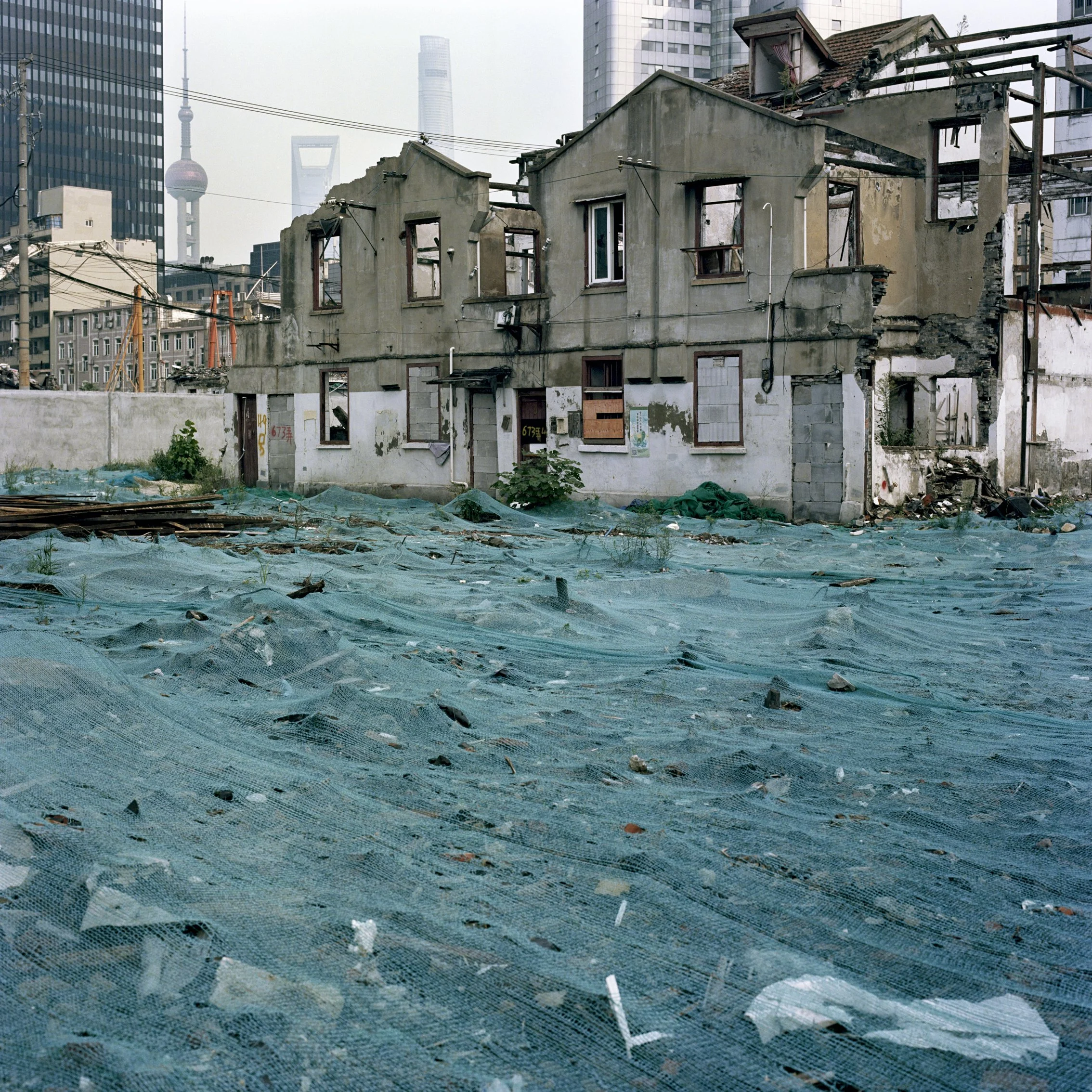
This project focuses on the remaining Longtang neighbourhoods of Shanghai, primarily within the Hongkou, Yangpu, and Huangpu districts. Characterised by dense networks of interconnected alleyways, shared kitchens, courtyards, and tightly compressed living spaces, these neighbourhoods once formed the social and cultural fabric of the city. Today, many have been demolished or redeveloped, replaced by high-rise residential complexes and commercial developments.
Within these narrow passageways, daily life unfolded collectively. Residents of different generations and social backgrounds lived in proximity, where private and public life constantly overlapped. The architecture of the Longtang shaped not only movement through space, but also forms of intimacy, memory, and social belonging.
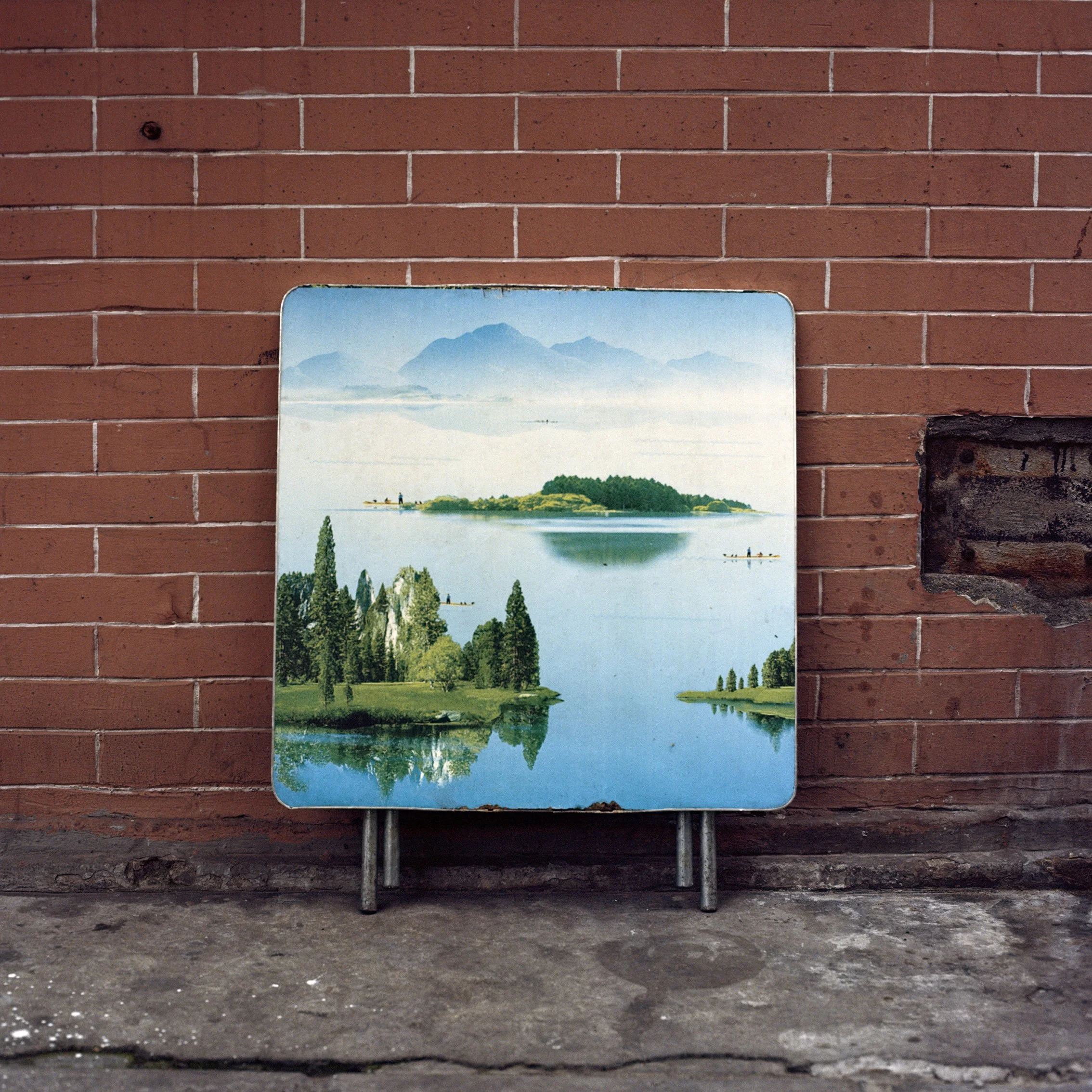
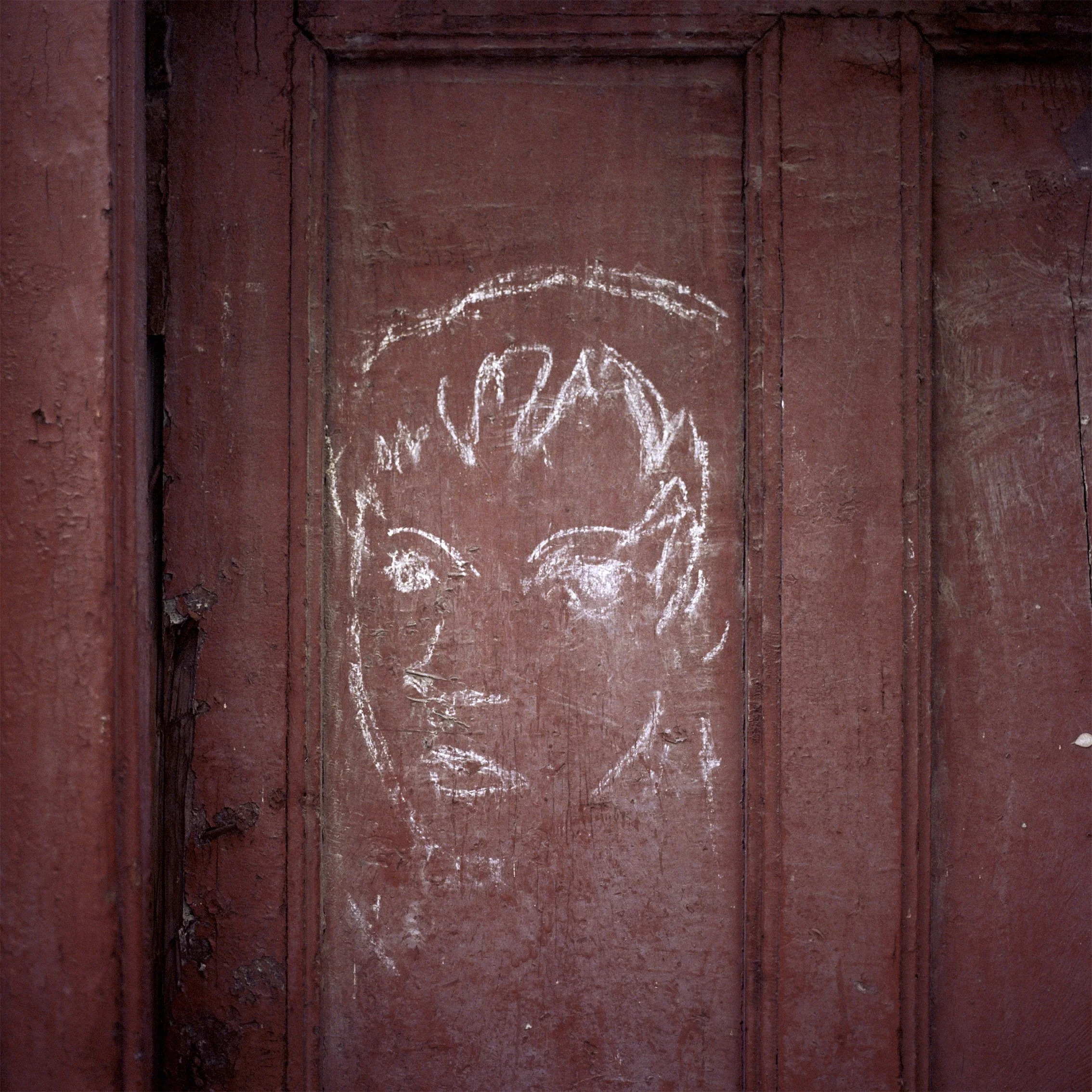
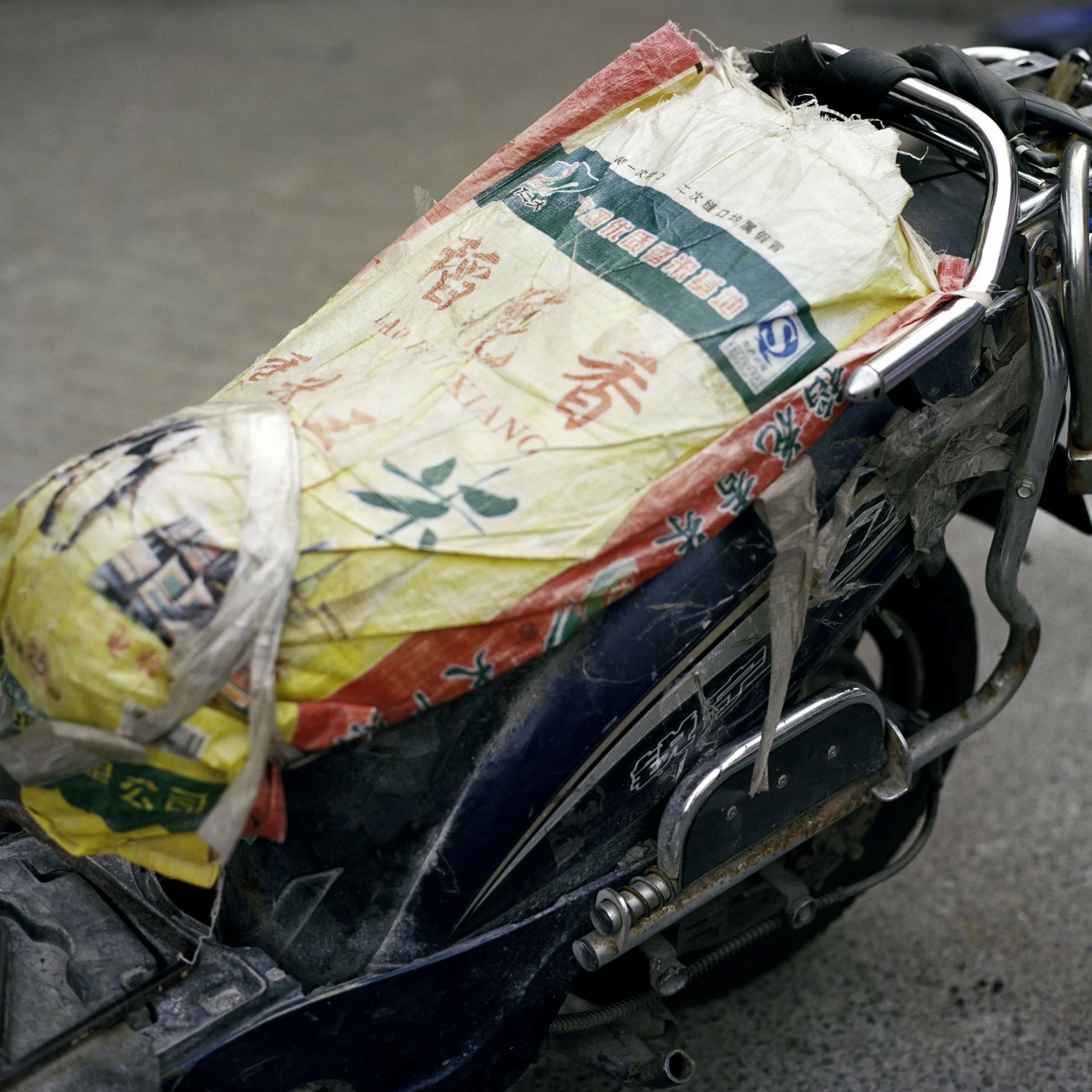
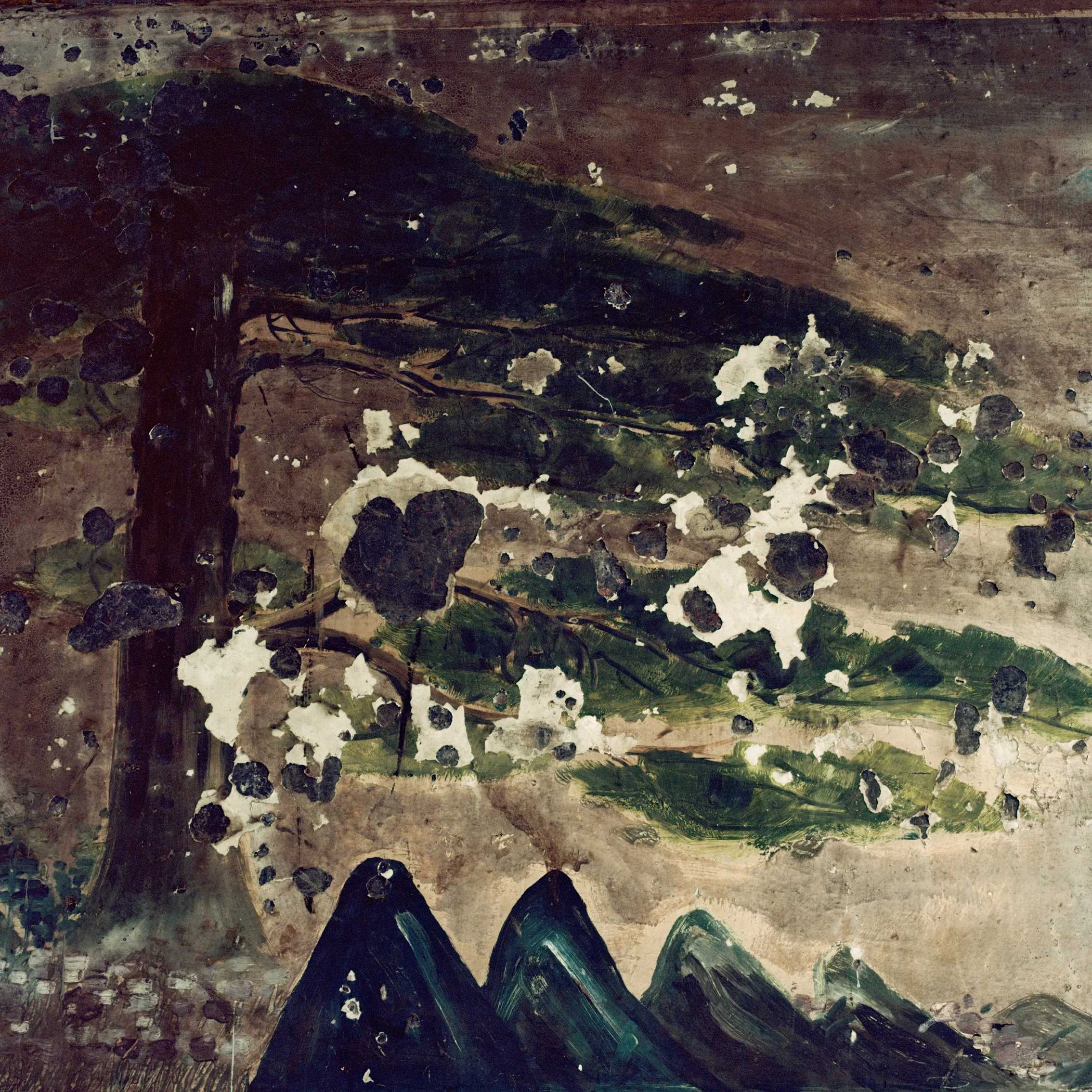
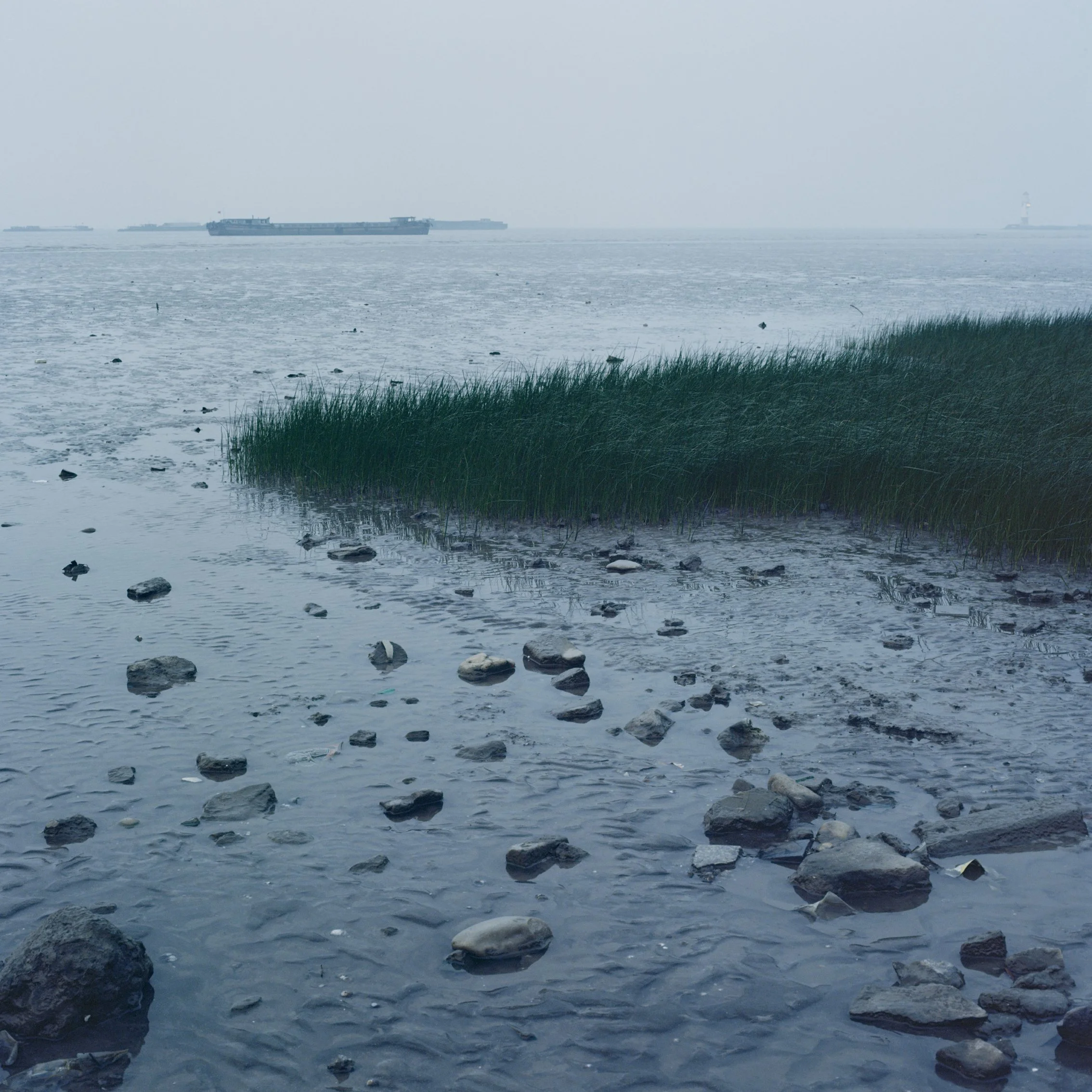
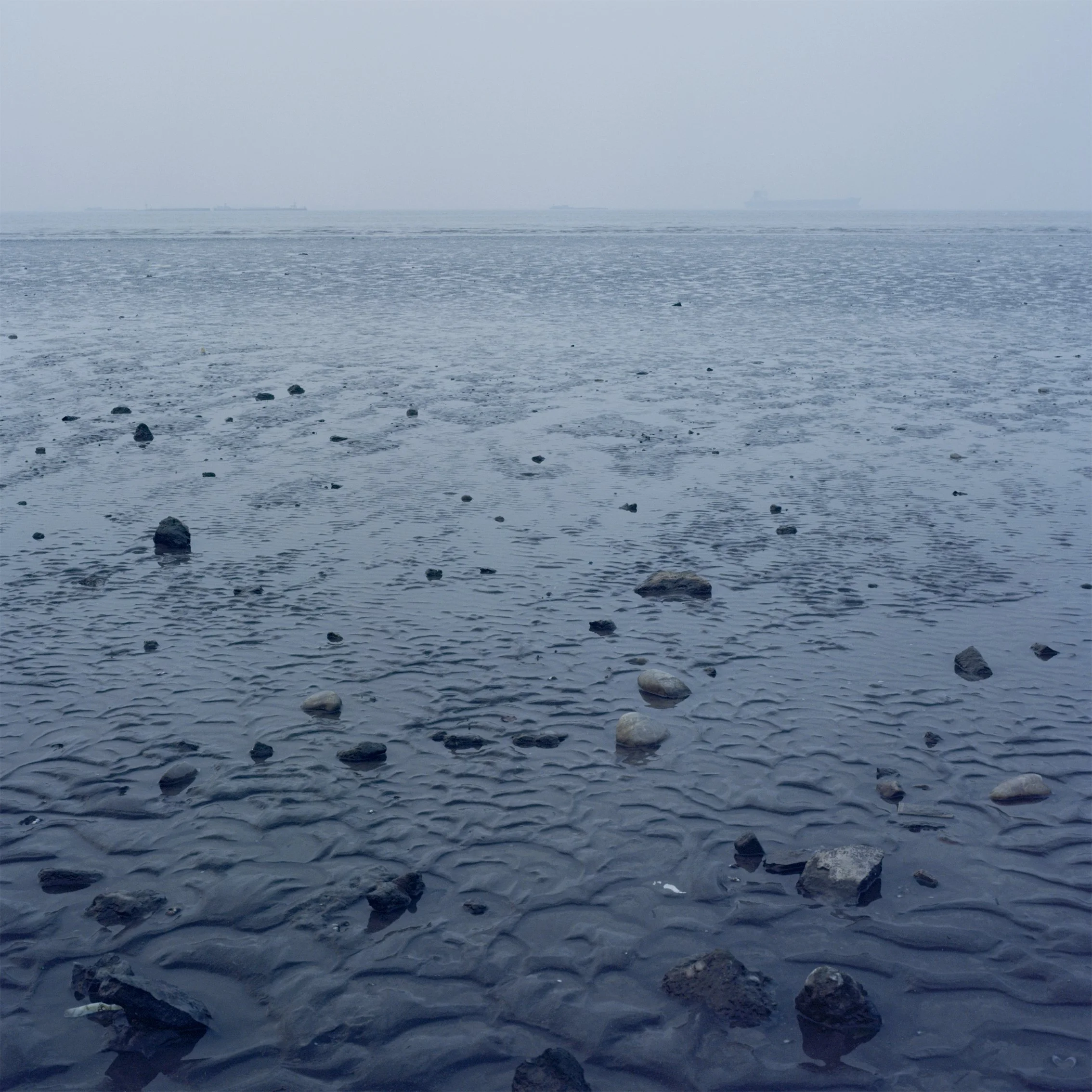
Rather than approaching these neighbourhoods as nostalgic remnants of old Shanghai, the project considers them as spaces suspended between persistence and disappearance. The photographs reflect on the psychological and spatial conditions produced by urban transformation, tracing the fragile presence of communities and histories that persist within a city undergoing continual reinvention.
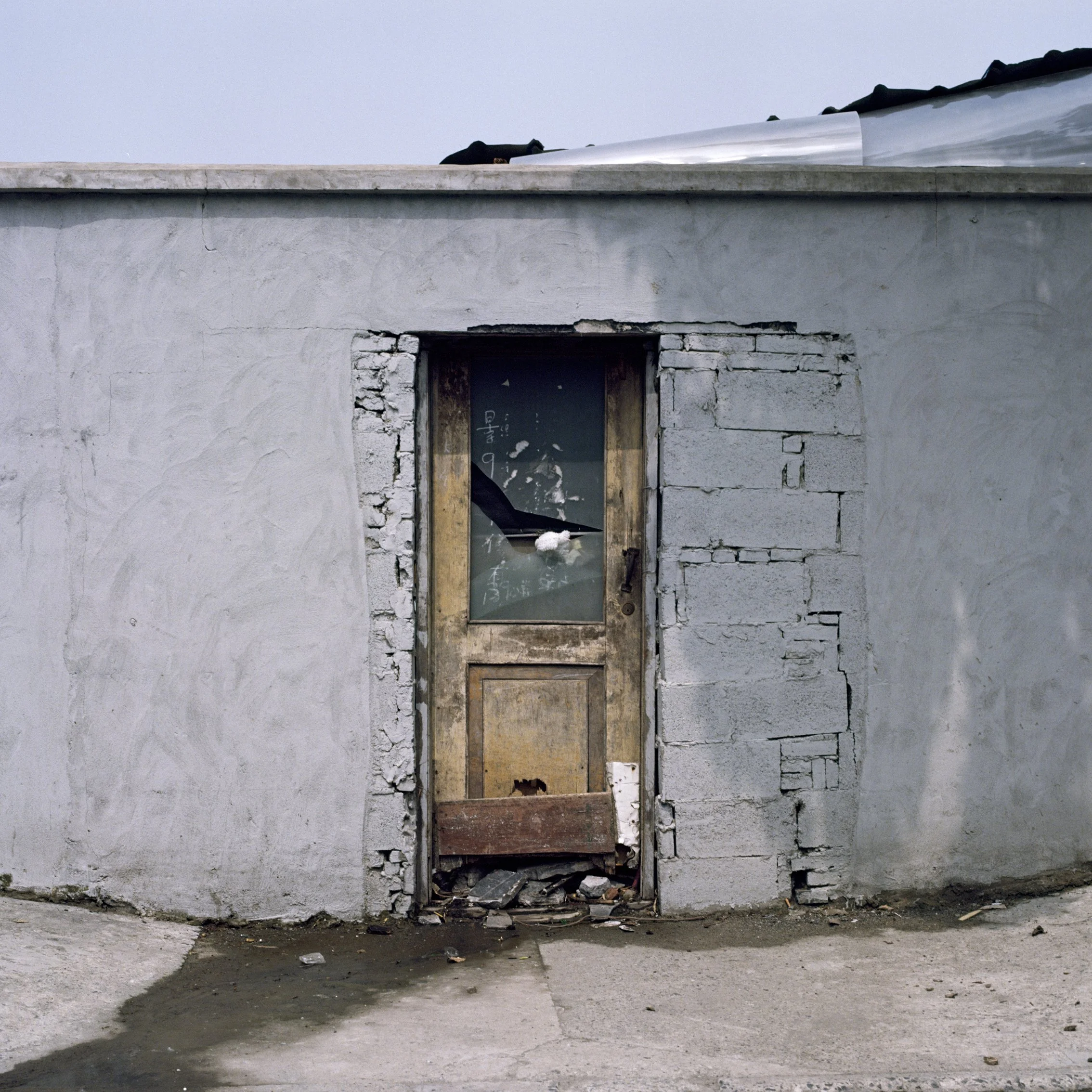
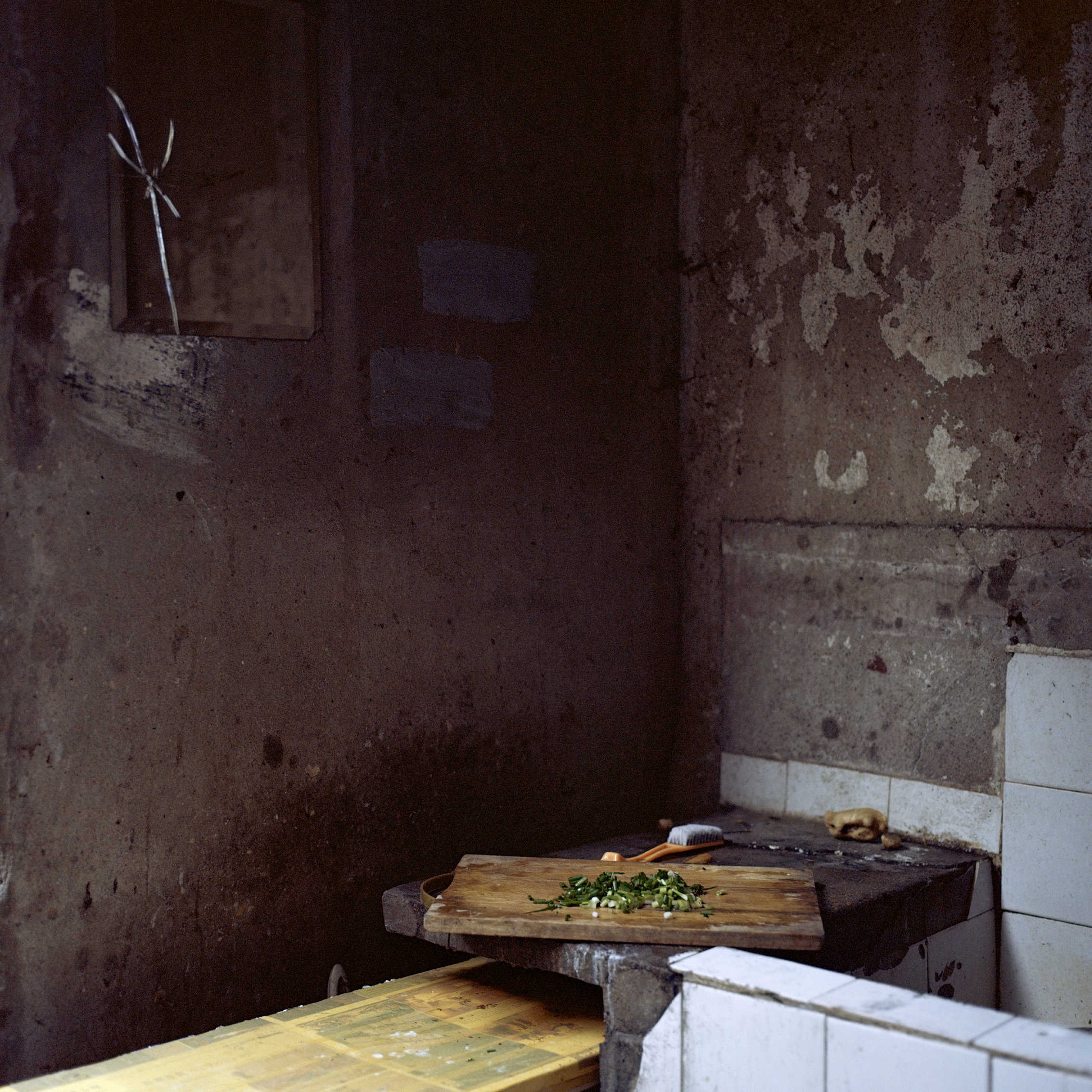
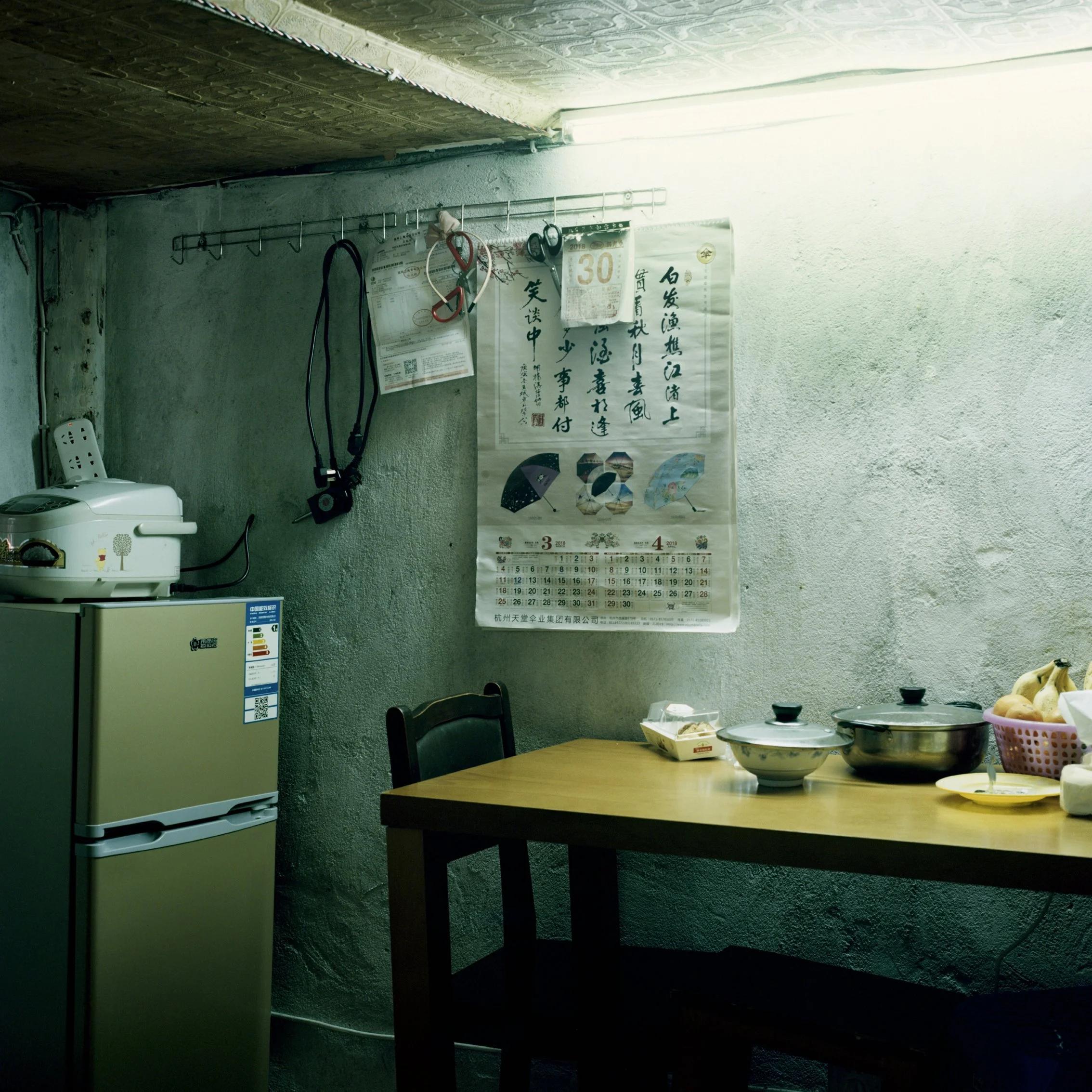
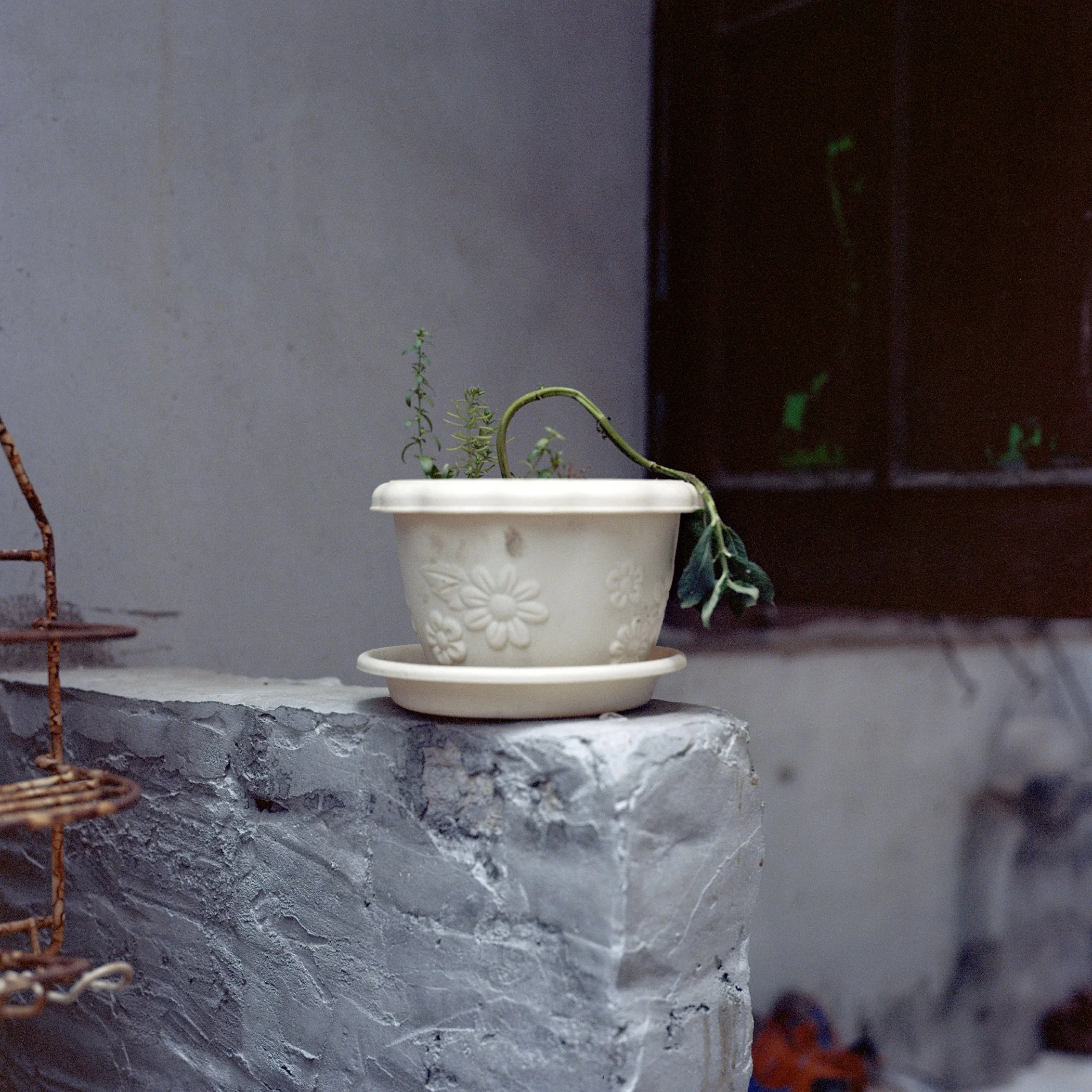
Winner of the Graciela Iturbide MA-g Awards (2024) and Permanent Collection of The Museum of Avant-garde
Top 10 Finalist for APhF Dummy Award, Athens Photo Festival (2024)
Selected for the Hangzhou International Artisan Photobook Biennial (2023)
Shortlisted at the 4th 无像Imageless Dummy Photobook Awards (2022)
Finalist at the HongKong Photobook Festival (2021)